
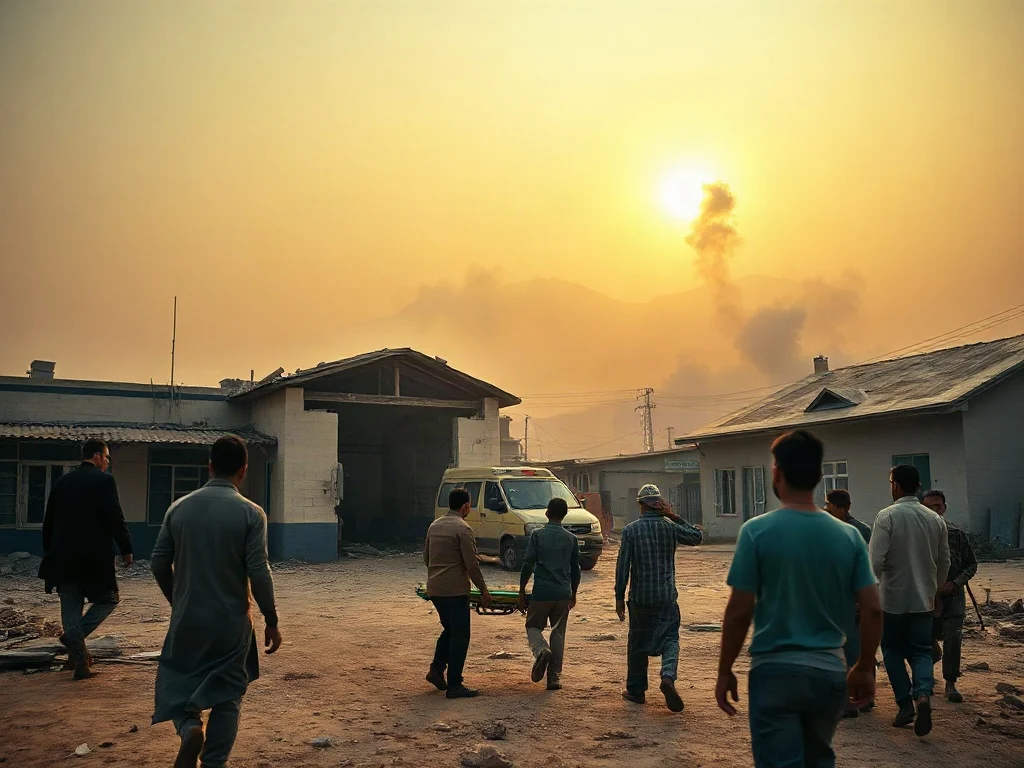
An Afghanistan explosion has killed 10 students and injured more than 100 people, according to an official account. A spokesman for the country’s interior ministry said the blast was caused by carelessness at a nearby explosives depot, not by a deliberate attack. The initial reporting does not give every detail, so this analysis separates what has been stated from what remains unconfirmed, and explains why the official explanation matters.
What We Know About the Afghanistan Explosion
The confirmed facts are limited. Officials report 10 students dead and more than 100 injured. The interior ministry spokesman attributed the blast to carelessness at an explosives depot close to where the students were. The report does not specify the exact cause of ignition, the type or quantity of material stored, or the full list of casualties beyond the students. Any figure beyond those stated should be treated as unverified, and casualty counts in mass-casualty events often change as hospitals complete their records.
Accident versus attack
The “carelessness” explanation places the event in the category of an industrial or storage accident rather than political violence. That distinction shapes the response. An attack prompts security and intelligence measures. A storage failure prompts questions about licensing, inspection, and the location of hazardous facilities. The official account is also an early finding. Independent technical investigations of explosions often take weeks or months, and early statements are sometimes revised.
Why Explosives Depots Near Civilians Are So Dangerous
Explosive material stored in bulk can release enormous energy in a fraction of a second. When a depot sits near schools, homes, or markets, the consequences extend well beyond the site itself. The main hazards include:
- Blast overpressure that can collapse walls and shatter windows hundreds of metres away, depending on the quantity and type of material.
- Fragmentation from debris, metal, and glass thrown outward at high speed.
- Secondary fires and explosions as neighbouring stockpiles ignite.
- Structural collapse of buildings not designed to withstand a shockwave.
The 2020 Beirut explosion, in which improperly stored ammonium nitrate detonated in a port warehouse, is a well-known example. The 2020 Beirut explosion killed more than 200 people and damaged large areas of the city. It showed how poor storage practices can turn a stockpile into a danger to an entire community.
How Blast Injuries Create Mass Casualties
An injury count above 100 puts heavy pressure on any health system. A mass-casualty incident can overwhelm hospitals within minutes, especially where resources are limited. The country’s health system has faced long-standing strain, and the report does not say how local hospitals coped.
Types of blast injury
Medical literature describes blast injuries in four categories. Primary injuries come from the pressure wave and affect air-filled organs such as the lungs and ears. Secondary injuries come from flying fragments. Tertiary injuries occur when people are thrown or buildings collapse. Quaternary injuries include burns and inhalation harm. Students inside classrooms near a blast are especially exposed to the secondary and tertiary categories, because glass and masonry cause many injuries.
The role of triage
Responders use triage to prioritise patients when casualties outnumber resources. Organisations such as the International Committee of the Red Cross and the World Health Organization publish guidance on managing such events, and effective coordination often decides how many survivors recover.
Accountability and the Meaning of “Carelessness”
The word “carelessness” can cover many failures: unsafe handling, missing fire protection, inadequate supervision, or storage in a location that should never have been permitted. It can also describe weak regulation. Experts in process safety often stress that a single mistake rarely causes a disaster alone. Disasters typically follow a chain of weak controls, and a strong safety culture is meant to break that chain before harm occurs.
Blaming carelessness can also narrow the focus to one individual or one site. A thorough review would ask who licensed the depot, who inspected it, and why it stood near a place where students gathered. Those questions concern land-use planning and oversight as much as individual behaviour.
Practical Lessons for Safer Storage
Several well-established principles apply to explosive materials and ammunition storage anywhere:
- Separation distances: keep stockpiles well away from schools, housing, and public gathering places.
- Quantity limits: restrict the amount stored at any one site.
- Regular inspection: audit storage conditions, access controls, and fire safety.
- Staff training: ensure everyone handling materials understands occupational safety procedures.
- Emergency planning: rehearse evacuation and medical response with nearby communities.
Residents and school administrators can also ask local authorities which hazardous facilities operate nearby. That kind of emergency management awareness costs little and can save lives.
Frequently Asked Questions
What caused the Afghanistan explosion that killed 10 students?
An interior ministry spokesman said it was caused by carelessness at a nearby explosives depot. The detailed technical cause has not been independently confirmed in the available report.
How many people were injured?
Officials say more than 100 people were injured. Figures may change as the official tally is updated.
Was the explosion an attack?
According to the official account, no. The blast is described as an accident linked to negligence at the depot, though investigations may refine that conclusion.
Why are explosives depots dangerous near schools?
Blast waves, fragments, and building collapse can reach far beyond the depot, and children inside buildings are especially vulnerable. Safe separation distances reduce that risk.
The Question This Blast Leaves Unanswered
The most important insight is that the official explanation turns a tragedy into a question of prevention. If carelessness at a depot can kill 10 students and injure over 100 people, the failure lies not only in one moment of negligence but in a system that allowed a hazard to sit close to a school. The key thing to watch is whether authorities publish findings from an independent investigation, name the failures identified, and inspect other depots near populated areas. If they do, this event could drive real reform in storage regulation. If they do not, the same risk will remain in place for the next community.
Frequently Asked Questions
Was the Afghanistan explosion a deliberate attack?
According to the interior ministry spokesman, no. Officials attribute the blast to carelessness at a nearby explosives depot, which would make it a storage accident rather than political violence. However, this is an early official account, and independent technical investigations may take weeks or months to confirm it.
Can the casualty figures still change?
Yes. The reported figures are 10 students dead and more than 100 injured, but in mass-casualty events counts often change as hospitals complete their records. Any number beyond those stated by officials should be treated as unverified until authorities or health services publish updated data.
What does "carelessness" actually mean in this context?
The term is broad and the report does not define it. It could refer to unsafe handling, missing fire protection, poor supervision, or a depot located where it should never have been allowed. It may also point to weak regulation, since disasters rarely have a single cause.
Why are explosives depots near schools and homes so dangerous?
Bulk explosives can release huge energy almost instantly. Near civilians, the blast overpressure can collapse walls and shatter windows hundreds of metres away, while flying debris and glass cause fragmentation injuries. Secondary fires and explosions from neighbouring stockpiles can then widen the damage.
Why are students in classrooms particularly vulnerable to blast injuries?
Classrooms near a blast expose students mainly to secondary injuries from flying fragments such as glass, and tertiary injuries from being thrown or from collapsing masonry. Buildings not designed to withstand a shockwave make these injuries more common and help explain why the injured number exceeded 100.
What information is still missing about the explosion?
The report does not specify what ignited the blast, the type or quantity of material stored, or casualties beyond the students. It also does not say how local hospitals coped with the influx of injured people, so these details remain unconfirmed pending further investigation.