
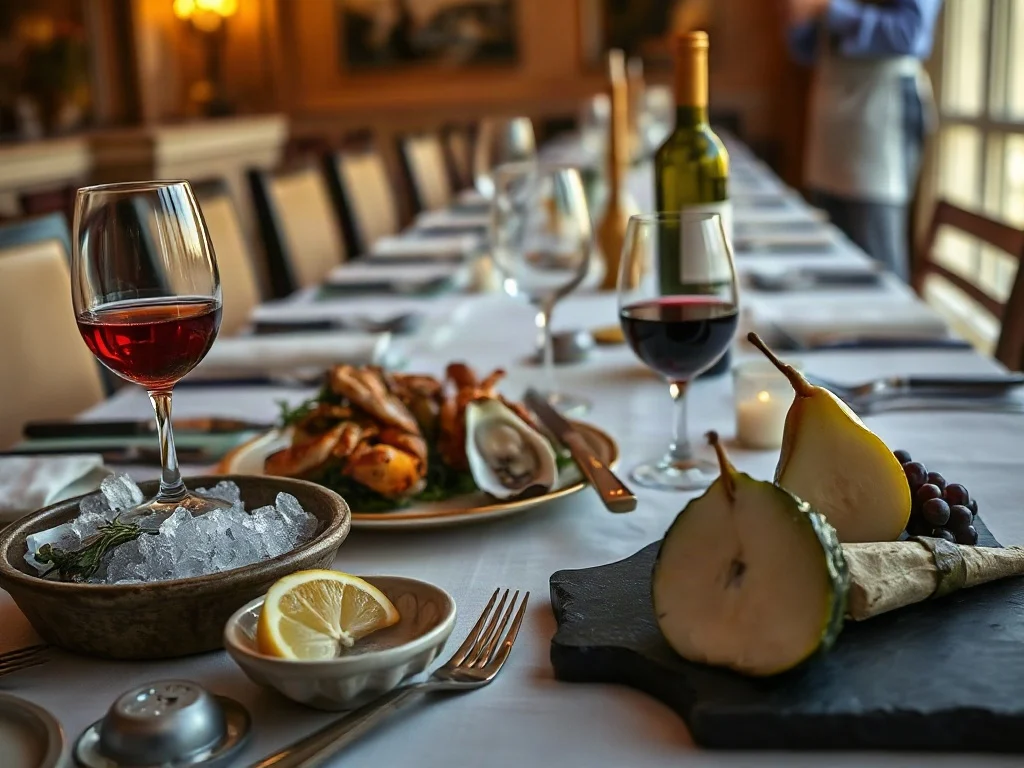
A great introduction to a place rarely comes from a brochure. It comes from a table, a glass and a plate that makes you want to book a flight. That was the promise of a London dinner with chef Tom Brown, part of the BTN Explores series. It brought Oregon food and wine to the capital through three pillars: Pacific seafood, serious Pinot Noir and a blue cheese with a surprising orchard connection. This article uses that dinner as a lens on why the state’s produce and vineyards deserve attention, how the flavours work together and how to bring the same logic to your own table or itinerary.
The event summary is brief, so this analysis does not claim to reproduce the menu course by course. It looks at the three ingredients that anchored the evening, explains the geography and history behind them, and flags where the picture is more complicated than the marketing suggests.
Why a London Dinner Is a Clever Way to Introduce Oregon
Oregon is a hard destination to explain in a sentence. It has a long Pacific coastline, rainforest, high desert, volcanic peaks in the Cascade Range and fertile valleys. Its food culture grew out of all of that. A tasting dinner compresses the geography into a few hours, and a chef is the ideal translator.
Tom Brown is a London chef known for seafood-led cooking, so the pairing was a natural one. Oregon’s best-known ingredients are the sort of produce a seafood-minded British cook respects: cold-water shellfish, fish caught off a rugged coast and dairy and fruit from small, specialised producers. Cooking them in London strips away the travel-brochure gloss and tests the ingredients on their own merits.
For travel businesses and food-curious readers alike, this format works because taste is memory. Someone who has eaten Oregon oysters beside a glass of Willamette Valley Pinot Noir will remember the state far longer than someone who has seen a slide deck. Official visitor information from Travel Oregon then becomes a way to turn that curiosity into an itinerary.
Pacific Seafood: The Cold, Clean Foundation
What Is Oregon Known For on the Plate?
Ask what Oregon is known for in food terms and the answers are strikingly varied: craft beer, hazelnuts, berries, pears, artisan cheese and wine. The coast, however, supplies the headline act for a seafood dinner. The cold Pacific Ocean shapes flavour in the same way that terroir shapes grapes. Cold, nutrient-rich water tends to produce shellfish with a clean, saline, slightly sweet character.
Several species define the region’s seafood identity:
- Dungeness crab, prized for sweet, delicate meat and a mainstay of Pacific Northwest fisheries.
- Oysters, including the widely farmed Pacific oyster, which is grown in the state’s coastal bays.
- Pink shrimp, small, sweet and a classic of the Oregon coast.
- Albacore tuna, a summer and autumn fishery valued for its pale, mild flesh.
Sustainability is a real talking point here, and it is worth treating with care. Certification schemes such as the Marine Stewardship Council are used in several Pacific fisheries, and Oregon’s pink shrimp fishery has been certified in the past. Certification status changes over time, so anyone making sourcing claims should check the current MSC listing rather than rely on memory.
Why Seafood Chefs Pay Attention
A chef trained in British seafood cookery looks for freshness, restraint and the ability to let an ingredient speak. Pacific shellfish rewards that approach. Simple treatments, such as a squeeze of citrus, a little cultured butter or gentle smoke, tend to flatter it more than heavy sauces do. This is the quiet appeal of Oregon cuisine: it is rarely flashy, but it is often exact.
Oregon Pinot Noir: The Serious Side of the Story
If seafood supplies the freshness, wine supplies the gravitas. The state’s reputation rests largely on Pinot Noir, the notoriously temperamental grape of Burgundy. The heart of production is the Willamette Valley, with sub-regions such as the Dundee Hills producing some of its most admired bottles.
A Short History of a Big Reputation
The modern story is usually traced to the 1960s, when pioneers including David Lett planted Pinot Noir in the Willamette Valley under the Eyrie Vineyards name. They were told by conventional wisdom that the climate was wrong. A wine from Eyrie performed impressively in a Paris tasting in 1979, and a follow-up organised by Burgundian négociant Maison Joseph Drouhin in 1980 also drew attention. Burgundy’s interest was serious enough that Drouhin later established an Oregon estate. That is the point at which Oregon became more than a curiosity.
Why the Climate Suits the Grape
Pinot Noir prefers cool conditions and a long, gentle ripening season. The Willamette Valley is cooler than many assume, and that favours wines with bright acidity, red-fruit aromatics and moderate alcohol. This is a style that older-world drinkers find familiar, but the best examples carry a distinctly Oregonian signature: ripe fruit with a savoury, earthy undertone. The idea of terroir is hotly debated, yet few would dispute that soil, elevation and slope aspect produce recognisable differences between Oregon sub-regions. The Oregon Wine Board is a reliable starting point for regional detail. Readers wanting broader context can explore Oregon wine as a whole, including white grapes such as Chardonnay, which has become an increasingly serious partner for shellfish.
Oregon Pinot Noir and Seafood: Does the Pairing Really Work?
Conventional wisdom says red wine and fish do not mix. The truth is more nuanced, and this is where a seafood chef serving Pinot Noir becomes interesting. The traditional objection is that tannin and iron in many reds clash with fish oils and leave a metallic taste. Oregon Pinot Noir and seafood can avoid that problem because the grape is low in tannin and high in acidity.
The principles of food and wine pairing suggest where it works best:
- Richer fish such as salmon, tuna or grilled turbot suit a lighter Pinot Noir served slightly cool.
- Delicate shellfish usually fare better with a crisp white or Chardonnay, though a very light, high-acid Pinot can work with roasted or buttery preparations.
- Smoke, mushrooms and brown butter are bridge flavours that link seafood to red wine.
The caveat is honest and important: this is a matter of preparation and taste, not a rule. Raw oysters with a tannic red is a poor idea. The same oyster, lightly grilled with a savoury topping, beside a graceful Pinot Noir can be revelatory.
Blue Cheese with an Orchard Connection
The third element of the dinner is the most intriguing: a blue cheese with an orchard link. The most famous Oregon candidate is Rogue River Blue from Rogue Creamery in southern Oregon. The event summary does not name the cheese, so this is an informed reading rather than a confirmed detail. If it was indeed Rogue River Blue, the orchard connection is neat. The cheese is traditionally wrapped in grape leaves that have been macerated in pear brandy, and the region around Rogue Valley is known for its pear orchards. Rogue River Blue won the title of World Champion Cheese at the World Cheese Awards in 2019, according to the creamery. Details on the cheese are available from Rogue Creamery directly.
Whatever the exact cheese on the night, the principle holds. Blue cheese and pear are classic partners because the fruit’s sweetness and gentle acidity soften the cheese’s salty, piquant bite. A light Pinot Noir is less obvious than a sweet dessert wine, but it can work if the cheese is mellow rather than aggressively sharp. A very powerful blue will overwhelm a delicate red, which is a real limitation worth noting.
How to Bring Oregon Flavours Home
Practical Steps for Building an Oregon-Themed Dinner
- Start with the seafood. Choose the freshest oysters or crab you can get from a trusted fishmonger and keep the preparation minimal.
- Choose the wine for the dish, not the label. Match a lighter, high-acid Pinot Noir to richer or smoked fish, and a Chardonnay to delicate shellfish.
- Serve the red slightly cool. Around 13 to 15 degrees Celsius keeps acidity bright and alcohol in check.
- Finish with cheese and fruit. Offer a good blue cheese with fresh or poached pear, and keep the portions small.
Common Mistakes
- Serving a heavily oaked, high-alcohol red with delicate shellfish.
- Over-seasoning seafood so that neither the ingredient nor the wine can be tasted.
- Assuming all Oregon Pinot Noir tastes the same. Style varies by site, vintage and producer.
- Making sustainability claims without checking current certification.
The Travel Angle: Turning a Dinner into a Journey
The BTN Explores format exists to inspire travel, and the logic is persuasive. Oregon offers a compact itinerary: oysters and crab on the coast, Pinot Noir tastings in the Willamette Valley and cheese and orchards in the south. The state’s food and wine tourism is spread across wide distances, so planning matters. Visitors should check seasonal availability, as harvest and fishing seasons affect what is on the plate. They should also book tastings in advance, since many small producers operate by appointment.
Frequently Asked Questions
What food is Oregon known for?
Oregon is known for Pacific seafood such as Dungeness crab and oysters, along with Pinot Noir, hazelnuts, berries, pears, craft beer and artisan cheese.
Why is Oregon Pinot Noir so highly regarded?
The cool climate of the Willamette Valley suits the grape, producing wines with fresh acidity, red-fruit character and moderate alcohol. Its reputation grew from international tastings in the late 1970s and early 1980s.
Does red wine go with seafood?
It can. Low-tannin, high-acid reds such as Pinot Noir work well with richer or smoked fish. Delicate raw shellfish is usually better with crisp whites.
What is the orchard connection in Oregon blue cheese?
Rogue River Blue is wrapped in grape leaves soaked in pear brandy, linking the cheese to the fruit-growing traditions of southern Oregon.
The Real Test for Oregon’s Table
The most telling lesson of a dinner like this is that Oregon sells itself best through restraint. Seafood from cold water, Pinot Noir built on acidity and a cheese that nods to the orchard all share a quiet confidence. None of them shouts, and all of them reward attention.
The question to watch is whether that understated identity can survive its own success. Warming oceans, shifting fisheries, wildfire smoke risk for vineyards and rising costs for small producers all pose genuine threats, and none has a simple answer. A reasonable prediction is that the producers who thrive will be those who keep their sourcing transparent and their style distinctive. The next time Oregon appears on a London menu, look past the novelty and ask the more useful question: can you taste the place?