
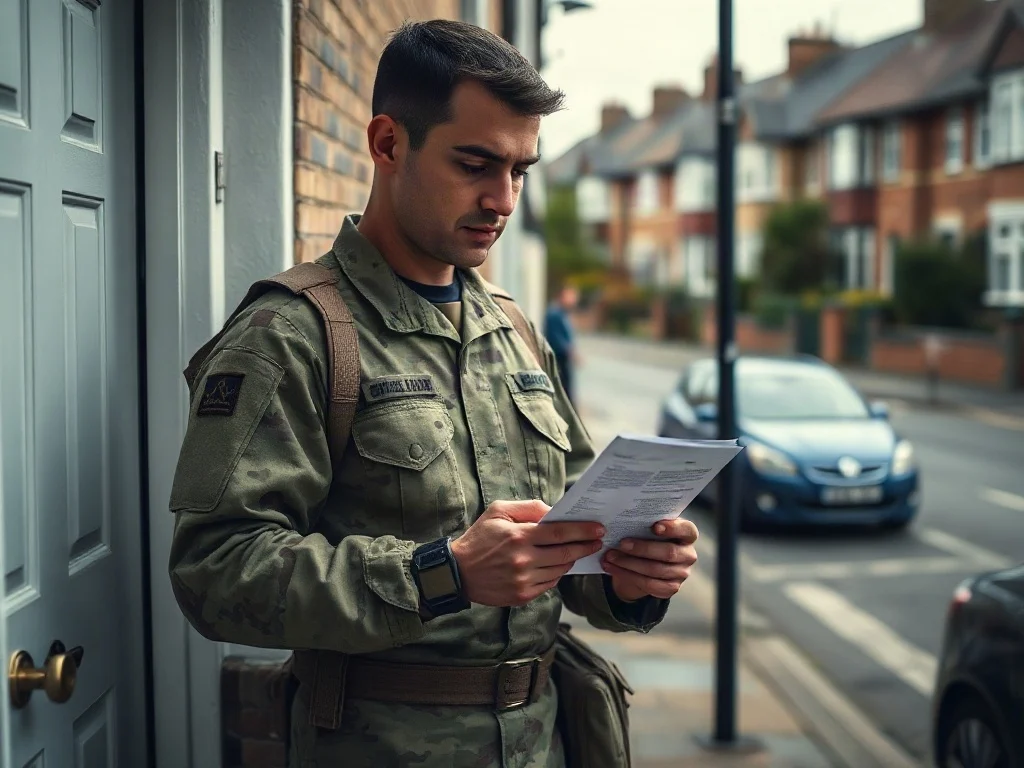
Reports that UK reservists have received letters telling them to prepare for a possible call-up have prompted questions about how ready Britain is for a major conflict. Wes Streeting said reservists are being contacted as the ‘threat environment’ rises. This article separates what is confirmed from what is interpretation, explains how reservist call-up letters fit into the wider system, and sets out what to watch next.
What We Know About the Reservist Letters
The confirmed facts are limited. Media reports say reservists have received correspondence telling them to prepare to be called up for war, and Streeting has linked the outreach to a worsening security picture. The reports do not establish that mobilisation is imminent, and no figures on the number of letters have been verified here. Treat any claim of an imminent deployment as unconfirmed unless the Ministry of Defence says so.
Contacting reservists is not the same as mobilising them. Armed forces routinely check contact details, availability and medical and skills status. These checks are standard readiness work, but they become newsworthy when the wording suggests preparation for war.
How the UK Reserve Forces Work
The reserve forces of the United Kingdom include the Army Reserve, the Royal Naval Reserve and the Royal Auxiliary Air Force. These part-time personnel train alongside regulars, often alongside civilian careers. The Army Reserve was formerly known as the Territorial Army.
The Legal Basis for Call-Out
Compulsory mobilisation is governed by statute, notably the Reserve Forces Act 1996. Broadly, call-out for permanent service is tied to defined circumstances such as national danger, great emergency or attack on the UK, and it carries employment protections. Anyone affected should check the current legal wording and official guidance rather than rely on summaries.
Reservists Are Not Conscripts
Reservists are volunteers who signed a commitment that includes liability to be called up. Conscription is a different matter, and nothing in the reports suggests a return to it.
Why Is the Threat Environment Rising?
The government has not been quoted here as listing every driver, so the following is analysis rather than confirmed official reasoning. Three factors are widely discussed by defence analysts:
- War in Europe: the Russian invasion of Ukraine showed that high-intensity, attritional warfare remains possible and that manpower and munitions matter.
- Grey-zone activity: hybrid warfare, sabotage and cyberwarfare blur the line between peace and conflict.
- Alliance obligations: as a NATO member, the UK is bound by Article 5, so a crisis involving an ally could draw in British forces.
Some experts see letters like these as sensible, low-cost contingency planning. Others argue that public messaging about war preparation can unsettle people without improving readiness, especially if equipment, training capacity and retention problems remain unresolved. Both views are plausible, and the evidence available publicly does not settle the debate.
What Reservists and Employers Should Do
Practical readiness is more useful than speculation. Reservists who receive correspondence should:
- Verify the letter through official unit or MoD channels, since scams exploit anxiety.
- Update contact, medical and employment details as requested.
- Check their personal circumstances, including dependants, and ask about deferral or exemption routes.
- Talk to their employer early about what mobilisation would mean for their job.
Employers should understand their obligations and the protections available to mobilised staff. Small businesses that depend on one or two key workers face the greatest disruption and benefit most from contingency planning.
Common Misreadings to Avoid
A letter asking someone to ‘prepare’ is not a mobilisation notice. A rising threat assessment does not mean war is certain. A mobilisation order would follow a formal process and would come with official announcements. Treating contingency planning as a countdown is the most common error in coverage of this type of story.
FAQ
Can UK reservists be called up for war?
Yes. Reservists carry a legal liability to be called up under the Reserve Forces Act 1996, though call-out is limited to defined circumstances and subject to safeguards.
Are reservist call-up letters the same as mobilisation?
No. Based on the reports so far, the letters are preparatory. A formal mobilisation would involve a separate order and official announcement.
Does this mean conscription is returning?
There is no evidence in the reports of conscription. Reservists are volunteers, and conscription would require separate legislation and a major political decision.
The Question Behind the Letter
The most important insight is that the story is about institutional readiness as much as the threat. Britain’s armed forces have to show that contacting reservists leads to real capacity: trained people, equipment, and employers and families who are prepared. The government’s explanation of its threat assessment, and any parliamentary scrutiny of reserve numbers and mobilisation plans, will be the clearest guide to how seriously the letters should be read. The question still unanswered is whether the government can prepare the public for a worse security environment without causing alarm. The answer will shape how the next set of reserve announcements is received.
Frequently Asked Questions
Does receiving a reservist letter mean I will be mobilised soon?
No. A letter asking reservists to prepare is not a mobilisation notice. Armed forces routinely check contact details, availability, and medical and skills status. A real call-out would follow a formal legal process with official announcements from the Ministry of Defence.
How can I tell whether a reservist letter is genuine or a scam?
Verify it through your official unit or Ministry of Defence channels rather than replying to the sender directly. Scammers exploit anxiety during news stories like this one. Be cautious about any message demanding personal data, payments, or urgent action outside established military contact routes.
Under what circumstances can reservists legally be compelled to serve?
Compulsory call-out is governed mainly by the Reserve Forces Act 1996. Permanent service is tied to defined circumstances such as national danger, great emergency, or an attack on the UK, and it carries employment protections. Check the current legal wording and official guidance rather than relying on summaries.
Is this a step towards conscription in Britain?
Nothing in the reports suggests that. Reservists are volunteers who signed a commitment that includes liability to be called up, which is legally and practically different from conscription, where people with no prior commitment would be compelled to serve.
What should reservists do if their personal circumstances make service difficult?
Check your situation, including dependants, and ask official channels about deferral or exemption routes. Update contact, medical, and employment details as requested, and speak to your employer early so they understand what mobilisation could mean for your job and for their contingency planning.
Why do experts disagree about sending out these letters?
Some see them as sensible, low-cost contingency planning. Others argue that public messaging about war preparation can unsettle people without improving readiness, particularly if equipment, training capacity, and retention problems remain unresolved. Publicly available evidence does not settle which view is right.