
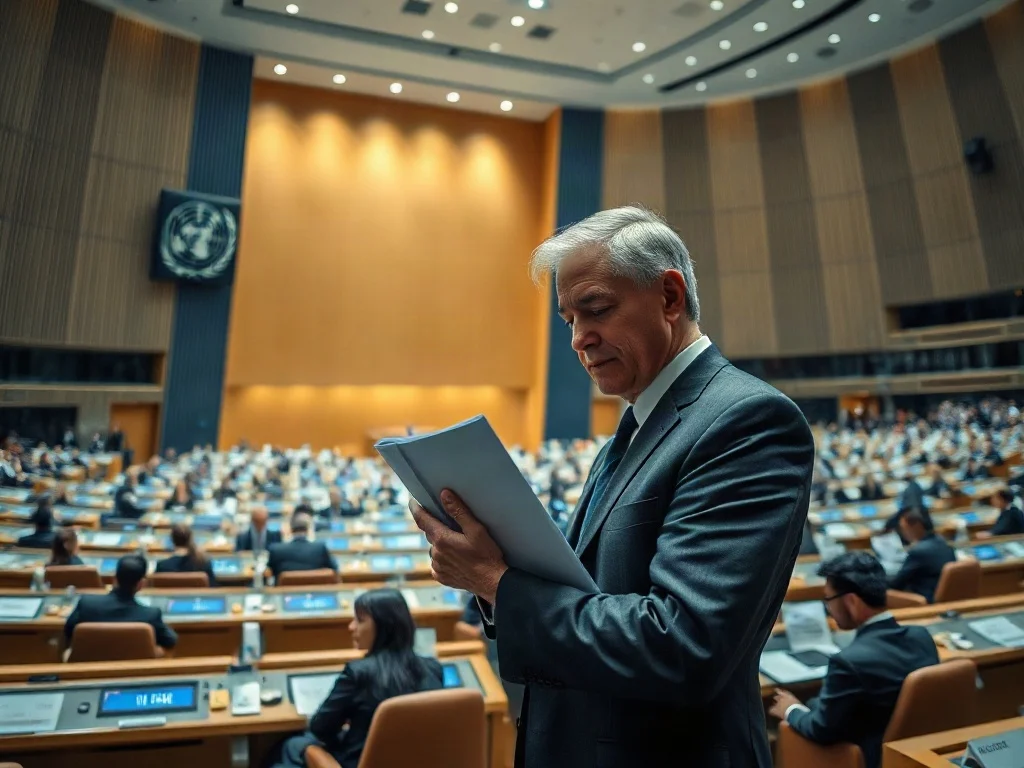
The COP31 climate deal that negotiators hoped to secure has not materialized. Reports say the talks ended without a breakthrough after a dispute over whether the final text should mention fossil fuels. The row matters because it touches the central question of climate policy: how quickly the world moves away from the energy sources that drive global warming. This analysis explains why the language fight became decisive, what the stalemate means in practice, and what to watch next. Because the available reporting is limited, we separate confirmed facts from interpretation.
Why the COP31 Climate Deal Stalled
The immediate trigger was a disagreement over explicit references to fossil fuels in the outcome text. That may look like a drafting quarrel, but wording in a UN climate conference decision shapes national planning, investor expectations and later negotiations. Each phrase is a signal about how fast governments intend to move.
The structure of the talks makes agreement harder still. Decisions are taken by consensus under the UN Framework Convention on Climate Change, so one determined objector can block a text, or can force the removal of language others consider essential.
Background: How Fossil Fuels Became the Central Fault Line
For decades, climate agreements focused on emissions in general rather than their sources. The Kyoto Protocol and later the Paris Agreement set temperature and emissions goals without naming fossil fuels directly. That changed at the 2023 conference in Dubai, where countries agreed on language about transitioning away from fossil fuels in energy systems.
The following round, the 2025 conference in Belém, was widely reported to have struggled to carry that language into a detailed roadmap. COP31 inherited this unfinished business. Delegations that saw Dubai as a floor now face others who see it as a ceiling.
The Divisions Behind the Deadlock
Producers versus vulnerable states
Economies that depend on oil, gas and coal revenue, including members of OPEC and other petrostates, tend to resist binding or specific fossil fuel language. Small island states and many European countries argue that a text silent on the main cause of warming undermines the process. This is an interpretation of well-established positions, not a verified account of every delegation’s stance at COP31.
Money as the hidden variable
Fossil fuel language rarely travels alone. Developing countries often tie any stronger mitigation commitment to climate finance and support for adaptation. Without credible funding, a phase-out pledge can look like a burden placed on countries that contributed least to historical emissions.
What the Failure Means in Practice
A missing negotiated text does not switch off the Paris Agreement. Its architecture still operates: countries submit nationally determined contributions, report progress, and face periodic reviews. The real cost is lost momentum and weaker coordination. Specifically:
- Policy signals weaken. Investors and utilities look to COP outcomes when assessing the long-term outlook for renewable energy and gas infrastructure.
- Subsidy reform stalls. Efforts to cut fossil fuel subsidies lose a multilateral anchor.
- Science and politics drift apart. The Intergovernmental Panel on Climate Change has repeatedly found that limiting warming to 1.5°C requires deep, rapid cuts in greenhouse gas emissions, a finding the negotiating room struggles to translate into text.
What Professionals Should Monitor
Companies, analysts and policy teams should avoid treating a failed text as a policy vacuum. Useful indicators include updated national targets, domestic climate mitigation legislation, and energy market data from sources such as the International Energy Agency. Official negotiation documents are available on the UNFCCC website. A common mistake is to read one summit as the whole story; real decarbonization is increasingly shaped by industrial policy, trade rules and technology costs.
FAQ
Why did COP31 fail to reach a climate deal?
According to reports, the main obstacle was a row over mentioning fossil fuels in the outcome text. Consensus rules mean a single group of objecting countries can prevent agreement.
Does the failure end the Paris Agreement?
No. The treaty remains in force, and national plans and reporting obligations continue regardless of any single conference outcome.
What happens after a COP fails to agree?
Negotiations continue in intersessional meetings and at the next conference. Coalitions of willing countries may also pursue commitments outside the formal UN text.
The Signal Beyond the Stalemate
The most important lesson from COP31 is that the consensus model is struggling to carry the weight of the energy transition. When naming the main cause of warming can sink a negotiation, the forum is better at preserving an agreed baseline than at raising ambition.
Watch for two developments. The first is whether groups of countries move ahead with voluntary fossil fuel transition roadmaps outside the formal process. The second is whether the next presidency can reframe the fight around finance and industrial opportunity rather than blame. A reasonable prediction, not a certainty, is that climate leadership will fragment into coalitions of the willing while UN talks keep their role as a universal but slower backstop. The open question is whether that is enough to meet the temperature goals the science demands.
Frequently Asked Questions
Does the failure of COP31 mean the Paris Agreement is no longer in force?
No. The Paris Agreement keeps operating without a new COP31 text. Countries still submit nationally determined contributions, report their progress and go through periodic reviews. What is lost is political momentum and coordination, not the legal framework that already exists.
Why can a single country block a climate deal at a UN conference?
Decisions under the UN Framework Convention on Climate Change are taken by consensus rather than by majority vote. One determined objector can therefore stop a text from being adopted, or force the removal of wording that other delegations consider essential.
Why does the wording about fossil fuels matter so much if it is only a negotiated text?
Language in a COP decision shapes national planning, investor expectations and later negotiations. Each phrase signals how fast governments intend to move, so naming fossil fuels or leaving them out can affect energy investment and future climate commitments.
How is climate finance connected to the fossil fuel dispute?
Developing countries often make stronger mitigation commitments conditional on climate finance and adaptation support. Without credible funding, a phase-out pledge can look like a burden on countries that contributed least to historical emissions, which hardens positions in the talks.
What happened on fossil fuels at earlier summits before COP31?
Earlier agreements such as Kyoto and Paris set emissions and temperature goals without naming fossil fuels. The 2023 Dubai conference agreed language on transitioning away from them. The 2025 Belém conference reportedly struggled to turn that language into a detailed roadmap, leaving the work unfinished for COP31.
What should companies and analysts watch after a failed COP outcome?
They should not assume a policy vacuum. Useful indicators include updated national targets, domestic climate legislation and energy market data from sources such as the International Energy Agency. Industrial policy, trade rules and technology costs increasingly shape decarbonization more than any single summit.