
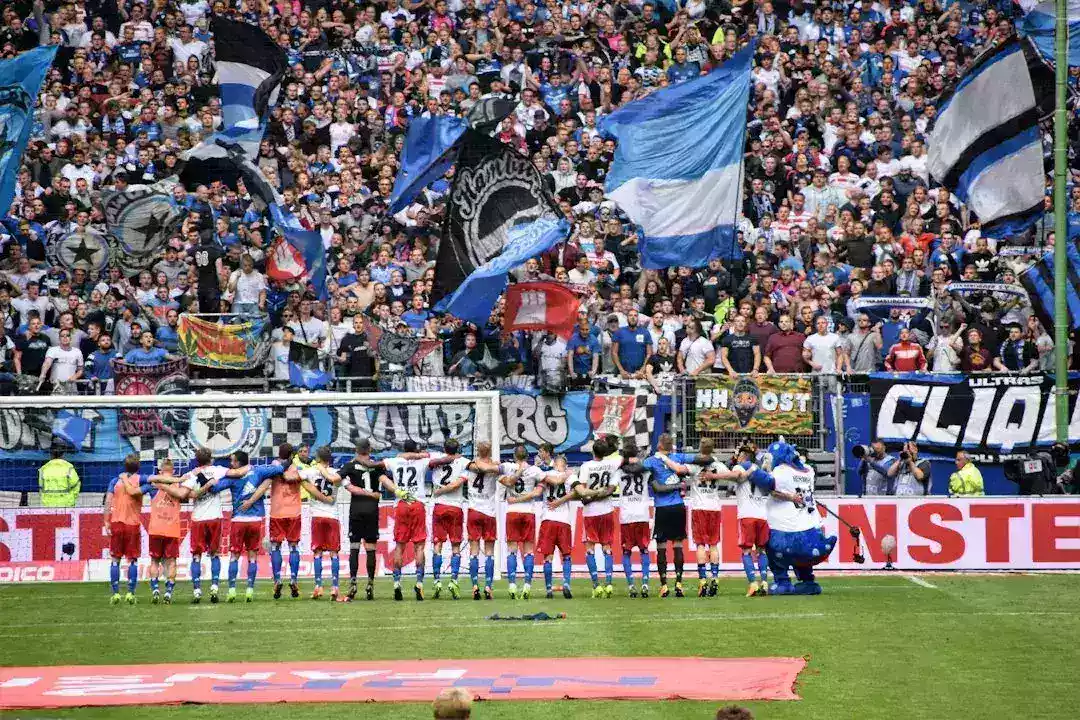
Paris Saint-Germain’s PSG beat Marseille 2-1 in a fiercely charged edition of Le Classique, and the scoreline barely captured the emotional voltage of the evening. Every duel felt amplified, every pass measured against the noise, and once again Ferran Torres provided the sharpest finish in the room. The Spaniard’s seventh goal in six appearances for his new club was not just another number; it was the kind of decisive touch that turns a tense derby into a statement.
How PSG beat Marseille 2-1
The win mattered because it combined control with nerve. In a rivalry as loaded as Paris Saint-Germain against Olympique de Marseille, matches are rarely won by the side that looks prettier. They are won by the side that manages pressure, protects transitions, and keeps a cold head when the game wants to boil over. That is what made this Ligue 1 result so valuable: PSG did not merely survive the heat of the contest, they used it.
At Parc des Princes, the setting only sharpened the contrast. Marseille brought the historical defiance associated with one of French football’s fiercest rivalries, while PSG leaned on the luxury of technical quality and, crucially, a striker in form. In association football, that combination often decides tight nights: a team can dominate phases of play, but the final touch still belongs to the player who trusts the moment.
In a match like this, composure is a weapon. The team that keeps its rhythm while the stadium roars usually earns the right to celebrate.
Why Ferran Torres is changing the conversation
Ferran Torres has long carried the profile of a modern forward: mobile, intelligent between the lines, and capable of finishing without needing multiple touches. His previous spells with Manchester City F.C. and FC Barcelona showed the same underlying truth: when Torres is confident, he is brutally efficient. For Spain national football team watchers, that is no surprise. His game is built on timing, not chaos.
That is why seven goals in six appearances stands out. It suggests more than a hot streak. It hints at a player who has quickly understood where the space lives, when to drift away from defenders, and how to arrive on the edge of the box just as the defense relaxes for half a second. That half-second is where elite forwards make their living.
What makes the streak sustainable?
- Positioning: Torres does not wait for the attack to fully form; he anticipates the next pass.
- Efficiency: He is converting chances at a rate that rewards direct, decisive football.
- Confidence: Goal scorers often feed on rhythm, and his is growing with every match.
The tactical lesson for PSG and Marseille
This is where the result becomes bigger than one derby. PSG are discovering that a season can be shaped by players who turn difficult games into repeatable routines. If Torres keeps producing, the club gains a forward who changes the geometry of the attack: defenders cannot simply track the ball, because he attacks the space behind the thought. That kind of player matters in the league, in cup ties, and in any European night that demands precision.
For Marseille, the lesson is less glamorous but equally important. A narrow defeat in Le Classique rarely tells the full story, yet it often exposes the small margins that decide elite football. One lapse in concentration, one delayed recovery run, one hesitant clearance, and the game tilts. Against a side as strong as PSG, those details are fatal. The answer is not panic; it is control. Marseille need better game management, cleaner transitions, and greater calm in the final third if they want to turn future derbies into points rather than regrets.
Supporters will read the result emotionally, but coaches will read it structurally. The victory tells PSG they have another attacker who can decide the smallest games. It tells Marseille that heart alone is not enough against elite efficiency. And it tells everyone watching Ligue 1 that the balance of power in France remains thrilling precisely because the margin between triumph and frustration is so thin.
Frequently asked questions about PSG vs Marseille
Why is PSG vs Marseille called Le Classique?
Le Classique is the nickname for the rivalry between Paris and Marseille, France’s two most prominent football cities. It carries social, regional, and sporting symbolism, which is why the fixture often feels larger than a standard league match.
Why is Ferran Torres scoring so often?
Torres is thriving because his movement, timing, and finishing are all aligned. When a forward feels the game early, he needs fewer touches to influence it, and that economy can produce a remarkable scoring run.
What does this win mean for PSG?
It strengthens the case that PSG can win tough domestic matches without overcomplicating them. More importantly, it suggests they may have found a forward whose confidence can reshape the tone of their season.
The question that now matters most
The most important insight from this derby is not simply that PSG won. It is that they won with a player who seems to have arrived at exactly the right emotional temperature. If Ferran Torres keeps finishing at this rate, PSG will not merely own the bragging rights of Parisian nights; they may also have discovered a new competitive rhythm for the months ahead. The real test is whether he can keep that edge when the spotlight shifts, the pressure climbs, and defenders start treating him like the decisive threat he already looks like.
Frequently Asked Questions
Why is Ferran Torres' run of seven goals in six games more significant than a normal scoring streak?
Because it suggests consistency, not just a brief hot spell. Torres is scoring in different match contexts, which usually means his movement, timing, and decision-making are translating well across games. For a new club, that kind of early efficiency can quickly change how teammates and opponents view his role.
Did PSG win because they dominated possession, or because they handled the match pressure better?
The article points more to game management than to pure dominance. In a derby like Le Classique, possession alone does not decide the result. PSG’s advantage was staying composed under pressure, protecting transitions, and trusting a forward who could finish the decisive chance when the match became tense.
What makes Ferran Torres such a difficult forward for defenders to track in a match like this?
Torres is effective because he does not rely on constant dribbling or holding up the ball for long periods. He moves early, finds space between defenders, and arrives at the right moment rather than waiting for the attack to fully develop. That makes him harder to mark in tight, emotional games.
What does this result tell us about Marseille beyond the final score?
It suggests Marseille were not necessarily overwhelmed, but they were punished for small mistakes. Against elite opponents, even one lapse in concentration or one slow recovery can decide the outcome. The defeat highlights the need for cleaner transitions, better final-third control, and calmer game management.
Why does a narrow 2-1 derby win matter so much for PSG if it was not a dominant performance?
Because tight wins are often more valuable than easy ones in high-pressure leagues. They show a team can stay disciplined when the match turns chaotic. For PSG, that matters not only for rivalries but also for cup ties and European nights, where control and composure often matter more than style.