
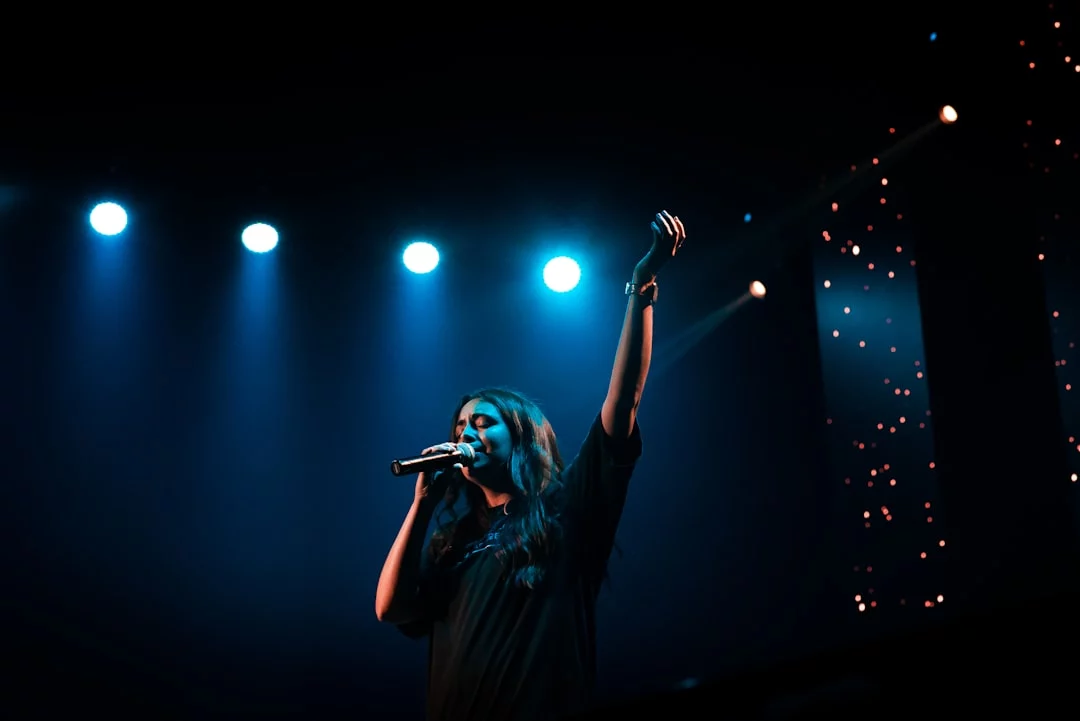
Celine Dion comeback concert stories rarely carry this much emotional force. When the beloved Canadian icon stepped back onto a Paris stage after years away, the moment felt larger than one performance. It was a reunion with an audience, a public answer to uncertainty, and a reminder of how powerfully music can outlast silence. For fans following her battle with stiff-person syndrome, the sight of Dion singing again was not only moving; it was historic.
Dion’s career has always been built on a rare combination of technical command and raw feeling. From her early rise through the Eurovision Song Contest to her reign in pop music and adult contemporary music, she became one of the most recognizable voices on earth. As a French Canadian artist from Quebec, she carried a distinctly regional identity onto a global stage, then turned it into something universal. Her signature anthem, My Heart Will Go On, from Titanic, became the kind of power ballad that can define a generation.
Why this Paris performance mattered so deeply
What made the night in Paris so resonant was not simply that Dion returned; it was that she returned under pressure, before a crowd of around 30,000, in a city that has long treated major musical moments as shared cultural events. Paris has seen countless triumphs, but a Paris audience watching a global star reclaim her voice after a long health struggle is something else entirely. The setting, reportedly the arena west of the city known as Paris La Défense Arena, added grandeur, but the real spectacle was human vulnerability meeting discipline.
Dion’s history has always amplified that effect. She is not just another touring vocalist; she is an artist with a canon full of award-winning performances, including recognition associated with the Grammy Award. Her voice has carried weddings, films, arenas, and private grief. That is why a comeback concert by Dion feels so meaningful: it reconnects a public memory to a living body, and it asks the audience to witness both strength and fragility at once.
The medical reality behind the silence
The phrase stiff-person syndrome can sound abstract until you think about what a singer needs to do onstage. This rare neurological disorder is known for muscle stiffness and painful spasms, and for a performer, that can affect movement, stamina, and the physical calm required for breath control. Dion has spoken publicly about the condition, which made her absence from the road easier to understand but no less difficult for fans to accept. The emotional weight of her return comes partly from that fact: this was not a career pause chosen for convenience. It was a forced retreat into medical reality.
That distinction matters. In the entertainment world, silence is often mistaken for strategy. Here, it was more likely the result of a body demanding care. Medical privacy deserves respect, and so does uncertainty. No one should turn one powerful night into an overconfident diagnosis of the future. A comeback concert proves possibility, not permanence. It says, for tonight, she could do this. It does not promise that every night will be the same.
What it takes to sing again at this level
There is an idea that an iconic singer can simply walk back onstage and pick up where she left off. Real life is much harder. Returning to a full performance after years away demands rehearsals, pacing, adaptive vocal planning, medical monitoring, and a production team that understands when to push and when to protect. Dion’s earlier live history, including major eras such as her Las Vegas residency and the Taking Chances World Tour, set a high standard. Meeting that standard again after illness requires a different kind of bravery.
It also requires humility. A veteran performer often has to redesign the show around the present body rather than the remembered one. That can mean adjusting keys, stretching songs differently, or leaning more heavily on emotional delivery than athletic firepower. In some ways, those adjustments can deepen a performance. When the audience knows the artist has fought to be there, every sustained note feels earned.
The deepest drama in a comeback is not whether the voice is still beautiful. It is whether the artist can make beauty in a body that has changed.
Paris as a stage for resilience
There is a special symbolism to returning in Paris. The city is a magnet for artistic rebirth, and for a singer whose career has crossed languages and borders, a French audience carries an intimate resonance. Dion’s roots in Quebec and her French-language identity have always been part of her identity, even as her fame expanded worldwide. That duality makes the Paris return feel almost circular: a French-speaking star, shaped by North American pop culture, meeting a European crowd that understands both spectacle and sentiment.
It also speaks to the enduring power of live performance itself. In an era dominated by clips, streams, and algorithmic discovery, a sold-out arena still matters because it creates a shared memory that cannot be replicated by a screen. One night in Paris can travel around the world in seconds, but the feeling inside the room remains singular. That is why a Céline Dion comeback concert becomes news well beyond music coverage; it touches health, identity, fandom, and the way public culture responds to endurance.
What readers should watch next
The most important question is not whether Dion can deliver a magical night. She already did. The question is whether this performance becomes a one-off milestone or the beginning of a carefully managed new phase. Watch for official announcements, the tone of future appearances, and whether her team continues to prioritize health-first planning over pressure to chase old schedules. In a career this celebrated, the future may be less about a return to the past and more about building a sustainable present.
That is the real insight beneath the applause: the audience did not only welcome Céline Dion back. It witnessed a new definition of strength, one that includes adaptation, restraint, and the courage to step into the light again after years of uncertainty. The next chapter will not be measured only in tour dates. It will be measured in whether she can keep turning survival into song.
FAQ
How long had Céline Dion been away from full concerts?
According to the report, she returned after six years away from a full concert performance.
What is stiff-person syndrome?
It is a rare neurological disorder that can cause muscle stiffness and spasms, making movement and performance difficult.
Does this concert mean a full tour is coming?
Not necessarily. A single triumphant performance shows what is possible, but only future announcements can confirm whether more live dates will follow.
SEO DATA:
Primary Focus Keyphrase: Celine Dion comeback concert
Related Keyphrase 2: stiff-person syndrome
Related Keyphrase 3: Celine Dion returns to stage in Paris
Related Keyphrase 4: why did Celine Dion stop touring
Related Keyphrase 5: Paris La Defense Arena concert
Primary Keyphrase Synonyms:
Celine Dion’s return to the stage, Dion comeback performance, Paris concert comeback, live return appearance, stage comeback show
SEO Title:
Celine Dion Comeback Concert in Paris Marks a Triumphant Return
Meta Description:
Celine Dion comeback concert in Paris reveals the power of resilience, live performance, and her battle with stiff-person syndrome onstage.
URL Slug:
celine-dion-comeback-concert-paris
Image Filename:
celine-dion-comeback-concert-paris.jpg
Image ALT Text:
Celine Dion performing live on stage in Paris before a large crowd
Image Title:
Celine Dion performing live in Paris
Image Caption:
Celine Dion returns to the stage in a moving Paris performance.
Search Intent:
Mixed intent with a news and informational focus
Frequently Asked Questions
Why did a Paris concert feel more significant than a typical comeback show for Celine Dion?
Paris is not just another stop on a tour; it is a city that treats major performances as cultural moments. For Dion, returning there after years away turned the concert into a public symbol of resilience. The scale of the crowd and the city’s history amplified the emotional meaning beyond the music itself.
How does stiff-person syndrome specifically affect a singer’s ability to perform live?
Stiff-person syndrome can cause muscle stiffness, painful spasms, and unpredictable physical tension. For a singer, that can disrupt breath control, movement, posture, and stamina, all of which are essential onstage. It is not only a vocal issue; it can affect the entire physical process of performing safely and consistently.
Does one successful comeback concert mean Celine Dion is fully ready to tour again?
Not necessarily. A single performance shows that a return is possible, but it does not guarantee a full touring schedule. After a long health-related absence, artists often need ongoing medical support, flexible pacing, and careful recovery time. The concert signals progress, not a permanent resolution of the challenges she faces.
Why did this performance resonate so strongly with fans beyond her music catalog?
Because the audience was not only hearing a famous voice; they were witnessing a long-awaited reappearance after uncertainty and illness. Dion’s songs already carry emotional weight, but seeing her sing again added a human story of vulnerability, endurance, and hope. That combination made the night feel historic for many fans.
What kind of adjustments might a veteran singer need when returning after a serious illness?
A comeback at this level often requires more than rehearsal. The show may need modified keys, a different pacing of songs, careful monitoring of energy levels, and a production team ready to adapt in real time. The goal is to protect the performer while still delivering the emotional power audiences expect.