
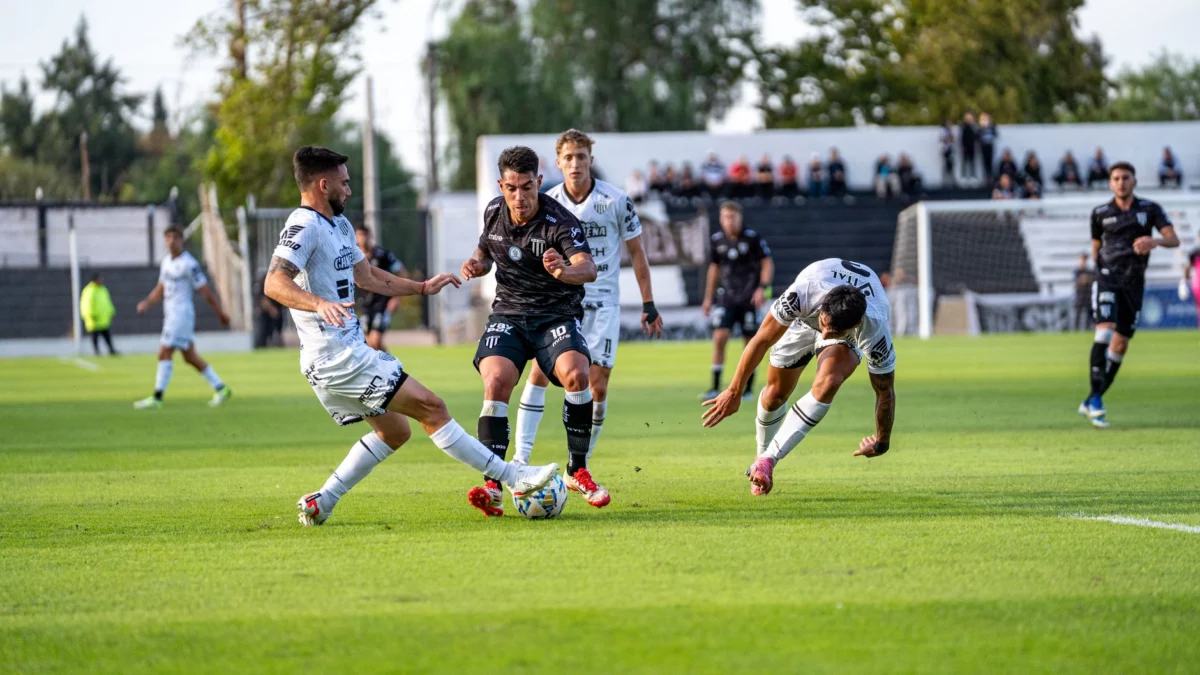
Manchester United defensive collapse against Brighton was not just embarrassing; it was structural, predictable, and revealing. The joke about the Neville brothers turning into the Chuckle Brothers lands because the performance looked coordinated only in the sense that everyone was failing together. Against a serious opponent in the Premier League, that is the unforgivable part.
Manchester United’s Defensive Collapse Against Brighton: What Went Wrong and Why It Matters
To understand the scale of the problem, it helps to strip away the comedy and look at the machinery underneath. Manchester United F.C. are not being judged as a novelty act; they are being judged as a club with elite resources, a global brand, and a history built on standards. Brighton & Hove Albion F.C., meanwhile, have spent recent seasons proving that organisation can punish reputation. That is why this match mattered. It was not a one-off oddity. It exposed how fragile United can look when the game becomes fast, open, and unforgiving.
If you want the raw factual frame, the cleanest starting points are the Premier League and Manchester United official sites, which publish match reports, line-ups, and event data. But the tactical issue goes beyond numbers. What unfolded at Old Trafford was a failure of spacing, communication, and rest defence; in short, a collapse in the basics of association football.
Why the
Frequently Asked Questions
Was this collapse mainly about individual errors, or was it a tactical problem?
It was more than a string of individual mistakes. The article frames it as a structural failure: poor spacing, weak communication, and a lack of rest defence when possession was lost. Individual errors mattered, but they were symptoms of a system that left players exposed once Brighton increased the tempo and attacked the space behind United’s shape.
Why did Brighton’s style cause Manchester United so many problems?
Brighton were effective because they did not rely on reputation or possession alone; they used organisation to create pressure at the right moments. Their ability to make the game fast and open exposed United’s discomfort in defensive transitions. When a team is stretched and its spacing breaks down, Brighton’s coordinated movement becomes much harder to contain.
What does “rest defence” mean, and why is it important here?
Rest defence refers to how a team positions itself to stop counterattacks while it is attacking. In this match, United’s rest defence appears to have been insufficient, meaning too many players were caught too high or too disconnected when possession turned over. That left Brighton with exploitable space and made every transition look dangerous.
Does this result prove Manchester United are permanently fragile defensively?
Not permanently, but it does suggest the fragility is real and repeatable under pressure. The article argues this was not a one-off oddity. When a pattern appears against a serious opponent, especially one that can exploit space intelligently, it raises questions about whether United’s defensive structure is robust enough for elite-level matches.
Why does the article say this defeat matters beyond just the scoreline?
Because it reveals deeper standards issues. Manchester United are judged as a club with elite resources and history, so a collapse like this is not only about losing points. It also exposes whether the team can cope when a match becomes chaotic, which is often the difference between a top side and one that simply looks powerful on paper.