
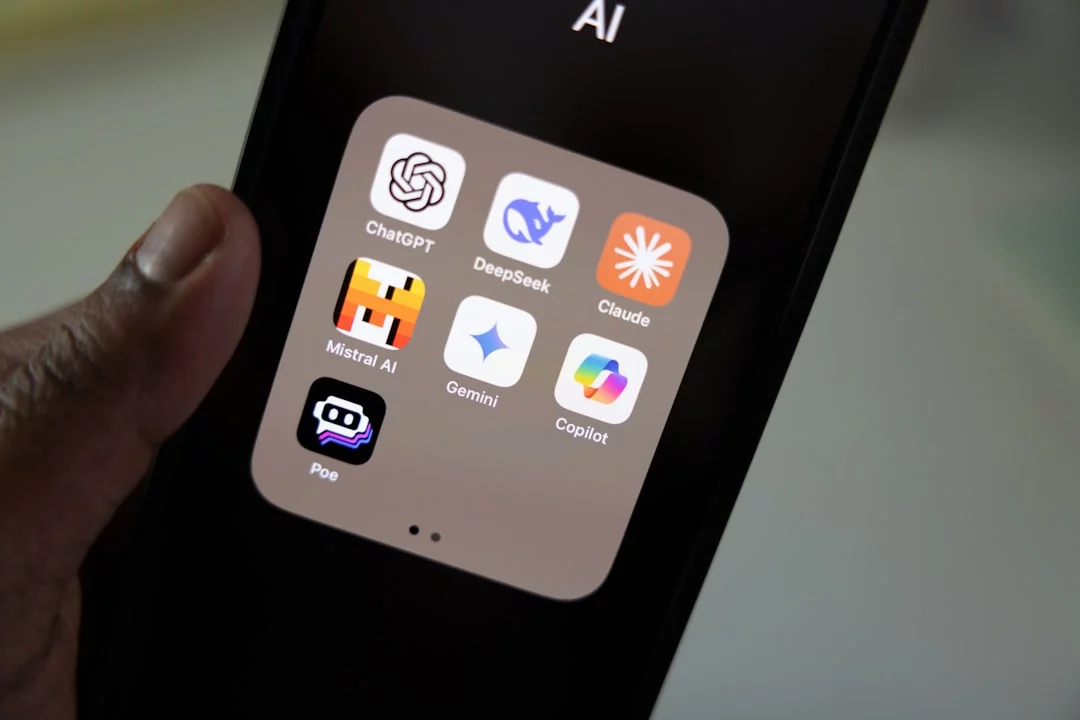
Apple’s next major iPhone update could be the moment Siri stops feeling like a command parser and starts behaving like a true assistant. The news around Siri AI in iOS 27 points to something more ambitious than a cosmetic refresh: a redesigned voice layer for iOS that understands context, completes tasks, and fits Apple’s privacy-first approach at Apple Inc. If that overhaul lands, the real story will not be whether Siri can chat more naturally. It will be whether it can reliably do useful work inside the phone.
Siri AI in iOS 27: What a Fully Revamped iPhone Assistant Could Change
That distinction matters because voice assistants have spent a decade moving from novelty to utility. A modern virtual assistant is no longer just a speech interface; it sits at the intersection of voice user interface design, speech recognition, natural language processing, and machine learning. Add the rise of generative artificial intelligence, and the expectations for Siri are much higher than they were even a few years ago.
What Siri AI in iOS 27 actually means
A fully revamped Siri would not simply answer questions more fluently. It would need to understand the shape of a request, infer intent, and act across apps without forcing the user to micromanage every step. In practical terms, that means Apple is being asked to modernize one of the most recognizable consumer AI products in the world while preserving the consistency users expect from a system-level feature.
Historically, Siri’s biggest limitation has not been only language quality. It has been reliability. People can forgive a slightly awkward response, but they do not forgive a voice assistant that misunderstands a date, opens the wrong screen, or fails halfway through a task. That is why the next version of Siri will likely be judged less like a chatbot and more like an operating system capability.
The broader artificial intelligence shift explains why this moment feels different. The industry has moved from scripted voice commands to systems powered by large language models and deeper neural network inference. Apple does not need to copy every rival product to stay competitive, but it does need Siri to feel current. A refreshed assistant in iOS 27 would be Apple’s chance to show that intelligence can be both useful and restrained.
The capabilities users are most likely to notice
When people ask what new Siri can do in iOS 27, they usually mean one thing: what changes in daily life? The most meaningful upgrades will probably be the ones that reduce taps, searches, and app switching. That is where an AI-assisted Siri could matter most.
1. Better multi-step commands
Current assistants often handle one request well but struggle when the task becomes layered. A smarter Siri should be able to interpret commands like,
Frequently Asked Questions
Will Siri AI in iOS 27 be more of a chatbot or a real task assistant?
The article suggests it should behave more like a task assistant than a chat companion. The main change would be understanding intent, handling multi-step actions, and working across apps without constant correction. Natural conversation may improve, but the real value will come from Siri reliably doing useful work inside iOS.
Why is reliability such a big issue if Siri already understands voice commands?
Because users usually judge assistants by whether they complete tasks correctly, not by how natural they sound. A slightly awkward answer is acceptable; opening the wrong app, missing a date, or failing midway is not. The article argues that iOS 27 will be judged on execution, consistency, and trust rather than chat quality alone.
How could Apple improve Siri while still keeping its privacy-first approach?
Apple would likely focus on making Siri smarter without requiring the same level of data exposure associated with some cloud-heavy AI systems. The article frames this as Apple’s challenge: modernize Siri with stronger language understanding and automation, while preserving the on-device, privacy-conscious experience users expect from a system-level feature.
What kinds of everyday actions would benefit most from a revamped Siri?
The biggest gains would likely come from reducing taps, searches, and app switching. That includes tasks like managing reminders, finding information across apps, composing messages, or completing multi-step requests. In other words, the article implies Siri’s value will be felt most when it saves time in routine phone use.
Does a smarter Siri mean Apple is trying to copy other AI assistants?
Not necessarily. The article suggests Apple does not need to mirror every rival product to stay competitive. Instead, it needs Siri to feel current and capable within iOS. The goal appears to be a restrained, integrated assistant that works reliably inside Apple’s ecosystem rather than a free-form chatbot clone.