
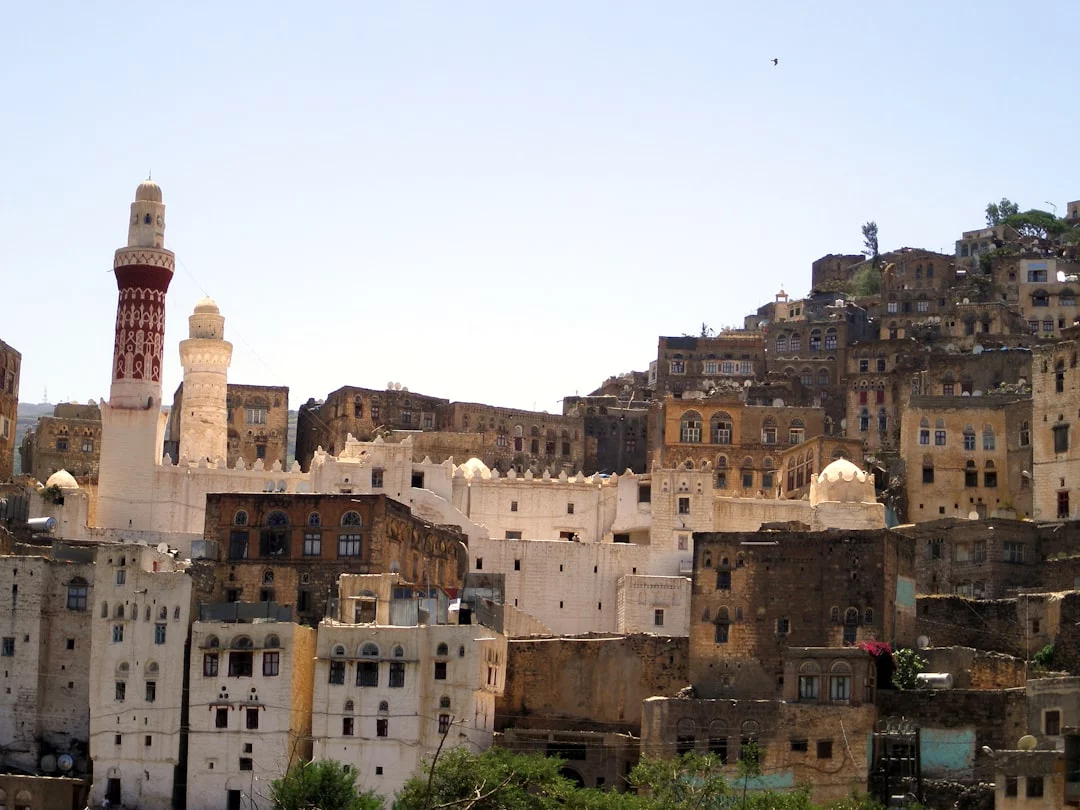
Yemeni forces have launched a renewed counteroffensive against the Houthis, vowing to retake Sana’a as clashes intensify across Yemen. The stated goal is not merely territorial—it is about leverage, morale, and control of the capital’s political and logistical gravity. For anyone tracking Yemen’s shifting front lines, the phrase Yemeni forces counteroffensive against Houthis signals something bigger than a battlefield update: it reflects a strategy to change the balance of power while the conflict remains deeply fragmented.
To make sense of what this kind of offensive can realistically achieve, this article breaks down the moving parts: why Sana’a matters, what fighting in al-Bayda and al-Jawf could indicate, how control of key routes often shapes outcomes, and which pressures—military, political, and humanitarian—tend to influence every claimed advance. You will also find a practical checklist of what to watch next, because in Yemen, momentum can flip quickly.
Yemeni Forces Counteroffensive Against Houthis: The Push to Retake Sana’a
What the Yemeni counteroffensive against Houthis is really trying to do
At its core, a counteroffensive is designed to do more than push back an opponent. It attempts to disrupt an enemy’s plans, seize operational space, and create conditions for political outcomes. In Yemen’s civil war—an ongoing conflict shaped by competing authorities, external backing, and local power networks—strategic objectives often extend beyond immediate military gains.
1) The capital is the prize, but also the trap
Sana’a is not just a city. It is a center of gravity—administrative influence, communications infrastructure, and symbolic legitimacy. Control of the capital can translate into stronger negotiating posture, clearer command-and-control advantages, and an ability to shape narratives at home and abroad.
That is why the phrase retaking Sanaa from the Houthis is so frequently discussed whenever the front lines shift. The Houthis, known as Ansar Allah and widely referred to as the Houthi movement, have long been associated with governance claims and battlefield endurance. Yemen itself has endured years of state fragmentation under the umbrella of the Yemen Civil War, where control can be contested even when one side holds key urban areas.
2) Operations in al-Bayda and al-Jawf are often about corridors
The reported focus on clashes in the provinces of al-Bayda and al-Jawf matters because geography tends to dictate possibilities. Both governorates sit on routes that can affect movement toward the capital region, as well as access to supply lines and staging areas.
Al-Bayda is part of the wider complex of territories where local actors and armed groups have historically contested influence (al-Bayda Governorate). Al-Jawf, similarly, is connected to the broader strategic map of northern Yemen and the contest between multiple military centers (al-Jawf Governorate).
When offensives emphasize these areas, it can signal an attempt to pressure Houthi positions beyond the immediacy of the capital itself—especially if the goal is to create the conditions for follow-on movement.
Why retaking Sana’a so important in Yemen’s war
Many people ask why Sana’a feels like the central hinge of Yemen’s conflict. The question is not abstract. It is about how war changes politics, and how politics then shapes military decisions.
What makes Sana’a strategically distinctive
Why is retaking Sana’a so important in Yemen’s war? Because Sana’a concentrates multiple forms of power. It is a hub for administration and public messaging, and it sits amid networks that can influence recruitment, taxation, and the ability to sustain armed formations.
In practical terms, control of the capital can:
- Improve command coordination for whoever governs key institutions.
- Attract or repel political partners, depending on who appears likely to endure.
- Increase leverage in negotiations by framing security arrangements around a known location.
- Shape the perception of legitimacy, which matters in a war where narrative can affect recruitment.
The symbolic pull is powerful too. Sana’a’s identity is tied to Yemen’s history and cultural memory, making the outcome emotionally consequential for many Yemenis. Even so, urban control rarely resolves conflict by itself; it often changes the form of the struggle.
The trade-offs of capturing a city
Taking a capital can also be costly. Street-level fighting, infrastructure vulnerabilities, and the difficulty of securing every neighborhood can turn the city into a long-term liability. Offensives that succeed on paper can stall in reality if forces cannot maintain security, manage logistics, and protect lines of communication.
That is why the question is not only who reaches Sana’a first, but whether a force can then hold it while simultaneously defending its supply routes. This is a core reason the Yemeni forces counteroffensive against Houthis should be evaluated as an operation with phases—advance, consolidation, and sustainment—not a single dramatic moment.
How a Yemeni counteroffensive can unfold: phases, pressures, and uncertainty
Counteroffensives are rarely linear. They resemble a chain of linked challenges, where success in one phase does not guarantee success in the next. Yemen’s conflict environment adds additional complexity: competing coalitions, local armed actors, and an extended history of shifting front lines.
For context on the broader conflict dynamics, it helps to understand Yemen’s long war and its external entanglements. Much of the fighting has been intertwined with regional dynamics, including the Saudi Arabian-led intervention in Yemen and the broader geopolitical contest surrounding the Houthis. While this article focuses on the reported offensive, those background pressures remain part of the operating environment for many actors.
Phase 1: Creating pressure and disrupting Houthi planning
An initial goal often involves forcing the opposing side to react rather than dictate. If Yemeni forces can apply pressure in al-Bayda and al-Jawf, they may aim to pull resources toward threatened sectors and create uncertainty about where the decisive push will occur.
This is also where the offensive’s messaging becomes relevant. Vows to retake Sana’a can be intended to shape morale, influence recruitment, and signal seriousness to potential partners. In wars of fragmentation, information can be a battlefield resource.
Phase 2: Movement toward decisive terrain
Military planners usually seek to occupy terrain that affects movement and resupply. In Yemen, that can mean roads, passes, and zones that provide cover or deny mobility. The long-tail search intent behind counteroffensive in al-Bayda and al-Jawf provinces reflects how many readers intuitively recognize that these governorates often function as connective tissue between other regions.
However, even when objectives look clear, the ground can quickly complicate plans. Dry-season conditions, weather changes, and local topography can influence how fast forces advance and how effectively they can sustain pressure.
Phase 3: Consolidation, logistics, and the hold-or-balance test
In most conflicts, the hardest part is not pushing forward—it is keeping momentum without outrunning logistics. An offensive that advances too quickly can face a dilemma: either pause to resupply, or continue at the risk of weakening defenses.
For Sana’a specifically, consolidation typically demands more than military occupation. It requires:
- Reliable control of access routes into and out of the city.
- Coordination for security across neighborhoods and key facilities.
- Administrative continuity to maintain basic public functions or at least the appearance of stability.
- Management of armed actors and local power arrangements.
These challenges help explain why even when an offensive promises a decisive outcome, the path toward a durable shift can be long.
What could determine whether the offensive succeeds
Even when opponents are under pressure, success often depends on a set of variables that extend beyond battlefield will. Here are the factors that tend to decide whether offensives become breakthroughs or temporary shocks.
Operational cohesion versus fragmented control
Yemen’s conflict landscape involves multiple armed structures and political alignments. A key question for any Yemeni military offensive against the Houthis is whether forces remain coordinated enough to translate battlefield gains into sustained control.
If command cohesion breaks down, momentum can dissipate. Conversely, if forces can coordinate movement, intelligence, and security discipline, they can better protect the offensive’s gains.
Supply lines, sustainment, and the realities of logistics
Wars are won and lost through sustainment as much as through tactics. If an offensive stretches logistics too far, even determined advances can stall. Sana’a’s surrounding regions require steady fuel, ammunition, medical support, and transport capacity.
This is where the difference between a short counterattack and a long counteroffensive becomes crucial. A counteroffensive must last long enough to force durable shifts in control, not just create momentary gains.
Houthi adaptation and defensive depth
The Houthis have faced years of pressure and have shown the capacity to adapt tactics and defensive positioning. From an analytical standpoint, the question is how quickly they can shift resources to threatened areas, how effectively they can avoid encirclement, and whether they can counterpressure Yemeni forces once Yemeni units commit to advance.
Defensive depth can turn the initial gains of an offensive into an exhaustion game. That makes the timing of renewed pushes and the ability to rotate units especially significant.
Political will and legitimacy contests
Military events in Yemen rarely remain purely military. Claims of retaking Sana’a can trigger competing political expectations: some groups may support the offensive as a path to a new balance, while others may hedge their position.
This is why a political narrative often runs alongside the tactical story. The struggle to define who can govern effectively is part of the war’s structure, and it is tightly linked to the capital’s status.
Humanitarian stakes: when operations close in on urban and contested areas
Offensives and counteroffensives carry immediate humanitarian consequences, especially in regions where civilians may be caught between shifting control lines. Even without detailing specific incidents, it is important to recognize the broad humanitarian context of Yemen, including protracted crises documented for years.
For background on Yemen’s ongoing hardship and the scale of the crisis, see Humanitarian crisis in Yemen and Yemen as country context. These references do not replace on-the-ground reporting, but they ground the analysis in the reality that civilians live through every phase of the conflict.
What humanitarian risk looks like during contested operations
In general terms, risk can increase when fighting nears strategic population centers. Potential pressures include:
- Disruption of markets and access to essential goods.
- Interruption of services such as healthcare and water distribution.
- Movement restrictions that affect displacement patterns.
- Increased uncertainty about safety and protection.
In Yemen, every military claim of advance must also be read through the lens of civilian protection, because the social cost of miscalculation can outlast the battlefield cycle.
Security and verification: reading claims carefully
When forces announce counteroffensives and vow outcomes—like retaking Sana’a—readers deserve a method for evaluating credibility. Without inventing or overreaching, you can still apply analytical discipline.
Practical checklist to assess reported progress
- Look for consistent geography. Are the claimed advances connected to nearby terrain, or do they jump abruptly without plausible intermediate steps?
- Watch for follow-through. Can forces maintain control long enough for services, supply, or administration to show signs of stability?
- Compare multiple reporting angles. Do different sources describe the same operational picture, or do accounts contradict in ways that suggest uncertainty?
- Track operational tempo. Does the offensive sustain pressure for weeks, or fade after initial announcements?
- Assess logistics indicators. Are there signs of stable movement, rather than purely episodic clashes?
Why this matters for the Houthis conflict narrative
Yemen’s conflict has included long-running shifts between offense and defense, including changes in how actors define legitimacy and territory. Understanding the Ansar Allah Houthis conflict in Yemen requires attention not only to who claims ground, but how the conflict evolves when each side adjusts.
For broader historical framing, these Wikipedia topics can help readers contextualize the long-running conflict environment: Sana’a and Yemen Civil War, alongside a look at Houthi and Ansar Allah.
FAQ: Yemeni counteroffensive, Houthis, and the road to Sana’a
What is the stated goal of the Yemeni forces counteroffensive against Houthis?
The stated goal is to intensify pressure on Houthi positions and work toward retaking Sana’a. In a conflict like Yemen’s, this is both a military aim and a political signal.
Why do al-Bayda and al-Jawf keep appearing in discussions about the offensive?
Those governorates are connected to the broader geography of northern and central Yemen. Clashes there can reflect attempts to secure corridors, disrupt enemy responses, or shape how forces can move toward strategic objectives.
Can an offensive that targets Sana’a succeed without sustained logistics?
In most cases, no. Even when early tactical gains occur, long-term success depends on supply, protection of routes, and the ability to maintain security and administration. Urban control is especially demanding.
How should readers interpret vows to retake Sana’a?
Vows are meaningful, but they can also function as messaging. The most reliable indicators tend to be sustained operational changes, consistent control measures, and the ability to hold gains over time.
What humanitarian factors should be monitored during intensified clashes?
Monitor indicators such as displacement patterns, access to essential services, and restrictions that affect civilian movement. For deeper context, reference Humanitarian crisis in Yemen.
Future developments: what could change over the next few years
In Yemen, no offensive exists in a vacuum. Over the next few years, several trends could shape how a counteroffensive in al-Bayda and al-Jawf provinces translates into longer-term outcomes.
1) Front lines could continue to fluctuate rather than stabilize
Even if one side claims progress, Yemen’s conflict has historically shown cycles of offense and defense. Expect that any operational momentum may be contested, adjusted, and sometimes reversed.
2) Political bargaining may increase as battlefield costs rise
When fighting intensifies, the pressure to bargain often grows, especially as resources become strained. Sana’a, because of its symbolic and administrative weight, can become a focal point for negotiations even if fighting remains unresolved on the ground.
3) Humanitarian pressure is likely to remain a defining constraint
Regardless of tactical outcomes, humanitarian needs tend to persist and can intensify with sustained disruption. This can influence international attention, aid access, and the framing of accountability.
4) Information warfare and verification will remain central
As both sides compete to shape perceptions, readers and analysts should watch how claims are substantiated. Confirmation through sustained control and coherent reporting patterns will remain more informative than brief statements.
What to watch next in Yemen’s counteroffensive
The most important insight from the current situation is that a Yemeni assault targeting Houthi positions is best understood as a multi-stage test: can pressure in peripheral areas translate into durable leverage around the capital? The vow to retake Sana’a adds urgency, but urgency alone does not equal stability.
As the fighting continues, watch for three concrete shifts: whether the offensive sustains tempo beyond initial clashes, whether logistics and security improve for advancing forces, and whether the broader political narrative aligns with measurable control changes. If those indicators move together, retaking Sana’a may start to look less like a promise and more like a strategy taking shape. If not, the conflict may revert to its familiar pattern—intense bursts of movement followed by contested consolidation.
And in Yemen, the unanswered question is always the same: when the rifles quiet for a moment, will the political machinery built on battlefield claims be strong enough to hold the capital steady—or will the city, once again, become the center of another cycle of contestation?
Frequently Asked Questions
What does a “counteroffensive” against the Houthis aim to achieve beyond pushing them back?
A counteroffensive is meant to change the opponent’s options, not just gain ground. In Yemen’s fragmented war, it seeks to disrupt Houthi planning, seize operational space, and create political conditions for talks or new alignments. Tactical gains in the field can be used to strengthen negotiations, improve coordination, and reshape morale and narratives.
Why is Sana’a described as the “prize” and not just another front-line city?
Sana’a is a center of gravity: administrative power, communications, and symbolic legitimacy. Control can strengthen command-and-control for institutions in the capital and help a side frame security and governance in a way that attracts partners or repels rivals. Even if battles occur elsewhere, whoever holds Sana’a can exert wider influence.
What could clashes in al-Bayda and al-Jawf signal about the offensive’s real direction?
Fighting in al-Bayda and al-Jawf often points to corridor and pressure strategies. These governorates sit on routes that can affect movement toward the capital region, access to supplies, and staging areas. Emphasis on these zones may indicate an attempt to pressure Houthi positions beyond Sana’a itself or set up conditions for follow-on advances.
How do control of key routes and supply lines influence whether retaking Sana’a is feasible?
In Yemen, advances depend heavily on logistics. Control of routes affects how troops move, how ammunition and fuel reach front lines, and whether units can be resupplied after pushing forward. If key corridors are contested, an offensive may stall even after initial gains. Route dominance can also enable commanders to sustain pressure and coordinate wider operations.
What pressures—military, political, and humanitarian—can change the outcome of claimed advances?
Militarily, counteroffensives face counterattacks, terrain limits, and contested local armed networks. Politically, shifts in alliances and bargaining power can accelerate or undermine battlefield momentum. Humanitarian pressures—displacement, access constraints, and civilian risks—can also constrain operational choices and shape domestic and international reactions, influencing what each side can credibly claim and pursue.
What should readers watch next to judge whether momentum will hold or flip quickly?
Track reported changes in front-line geography (especially corridors toward the capital), not just battlefield claims. Watch whether advances translate into sustained control of routes and logistics hubs. Pay attention to political signals—statements, defections, or new partner alignment—as these often determine whether gains become leverage. In Yemen, reversals can happen fast, so tempo and consolidation matter.