
Winter in Lisbon is the kind of travel secret that feels almost unfair to keep to yourself. While much of Europe is bundled in deep cold, the Portuguese capital stays mild, luminous, and wonderfully walkable. The summer crowds have gone, the holiday lights begin to glow, and the city’s historic streets suddenly feel intimate enough to explore at your own pace. For travelers who want culture, comfort, and atmosphere in one trip, winter in Lisbon is hard to beat.
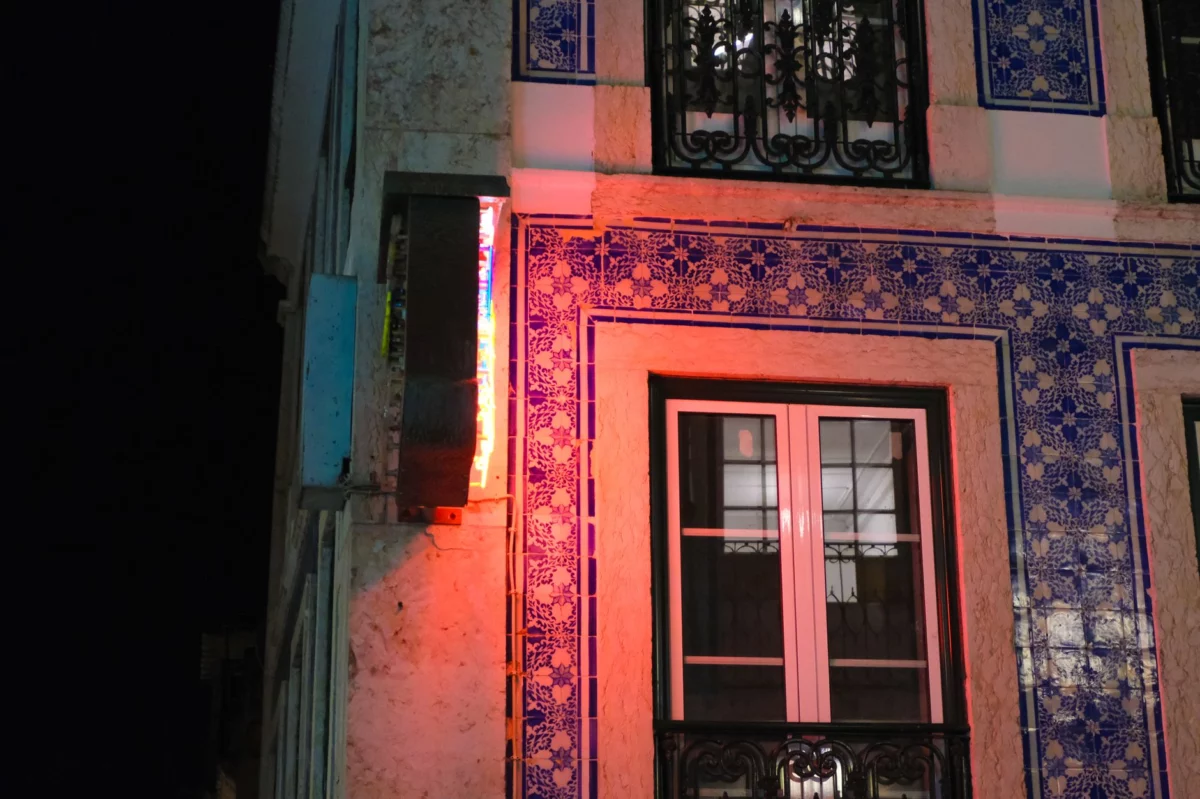
It is also the season when the city’s character becomes easier to see. You can drift from the riverfront to the tiled lanes of Alfama, pause in Chiado for coffee and pastry, and end the day with a moody, unforgettable Fado performance. If you stay in a central base such as AlmaLusa Hotels, the city opens up beautifully on foot, which is exactly why this season can feel more luxurious than high summer.
In winter, Lisbon is less about rushing from landmark to landmark and more about letting the city unfold one tiled street, one café counter, and one river view at a time.
Why winter in Lisbon feels different from summer
Lisbon, the capital of Portugal, sits close to the Atlantic, so winter here is usually defined more by softness than severity. That matters. Instead of icy sidewalks and short, miserable daylight, you get a city that still invites long walks, outdoor lunches, and spontaneous detours. The air may be crisp, and some days rainy, but the season rarely shuts the city down. It simply changes the pace.
That gentler pace is the reason winter is such a strong fit for a city built on wandering. The historic center around Baixa Pombalina, Rossio Square, and Praça do Comércio feels elegant rather than rushed. The river light on the Tagus gives the city an almost cinematic glow, and the streets seem designed for the kind of slow travel that winter encourages.
| Winter advantage | What it changes in practice |
|---|---|
| Fewer crowds | Shorter lines, easier reservations, and more breathing room at major sights |
| Milder temperatures | Comfortable walking through hills, neighborhoods, and viewpoints |
| Seasonal atmosphere | Holiday lights, café warmth, and a more local feeling in the historic core |
| Off-season value | More attractive hotel timing for travelers who can book outside peak summer |
That is why the phrase
Frequently Asked Questions
Is winter in Lisbon actually warm enough for sightseeing on foot?
Usually, yes. Lisbon’s winter is mild compared with most of Europe, so walking the historic center is still comfortable on many days. Expect cool mornings, occasional rain, and breezy evenings rather than freezing temperatures. The key is dressing in layers and carrying a light waterproof jacket.
Will winter in Lisbon feel too quiet or limited compared with summer?
Not really. The city is calmer, but that is part of the appeal. Major neighborhoods, cafés, museums, and viewpoints stay lively, just with fewer crowds. You may see reduced hours at some smaller places, especially around holidays, but the overall experience feels richer and less rushed.
What should travelers pack for Lisbon in winter?
Think light but practical: layers, a warm sweater, comfortable walking shoes, and a compact raincoat or umbrella. Because Lisbon is hilly and often explored on foot, footwear matters as much as weatherproofing. Sunglasses can still be useful too, since winter light can be bright and reflective off the river.
Is winter a good time for Fado and food experiences in Lisbon?
Yes, winter is one of the best seasons for both. Cooler evenings make Fado performances feel especially intimate, and the city’s cafés and restaurants become natural places to linger. It is also a good time to enjoy slower meals, pastries, and the more local, everyday side of Lisbon’s food scene.
Which part of Lisbon is best if you want to enjoy the city without relying on taxis?
A central base in Baixa, Chiado, Alfama, or near the river makes winter Lisbon especially easy to enjoy on foot. Staying centrally cuts down on transport needs and lets you move naturally between viewpoints, cafés, and historic streets. That is why a walkable location adds so much value in winter.