
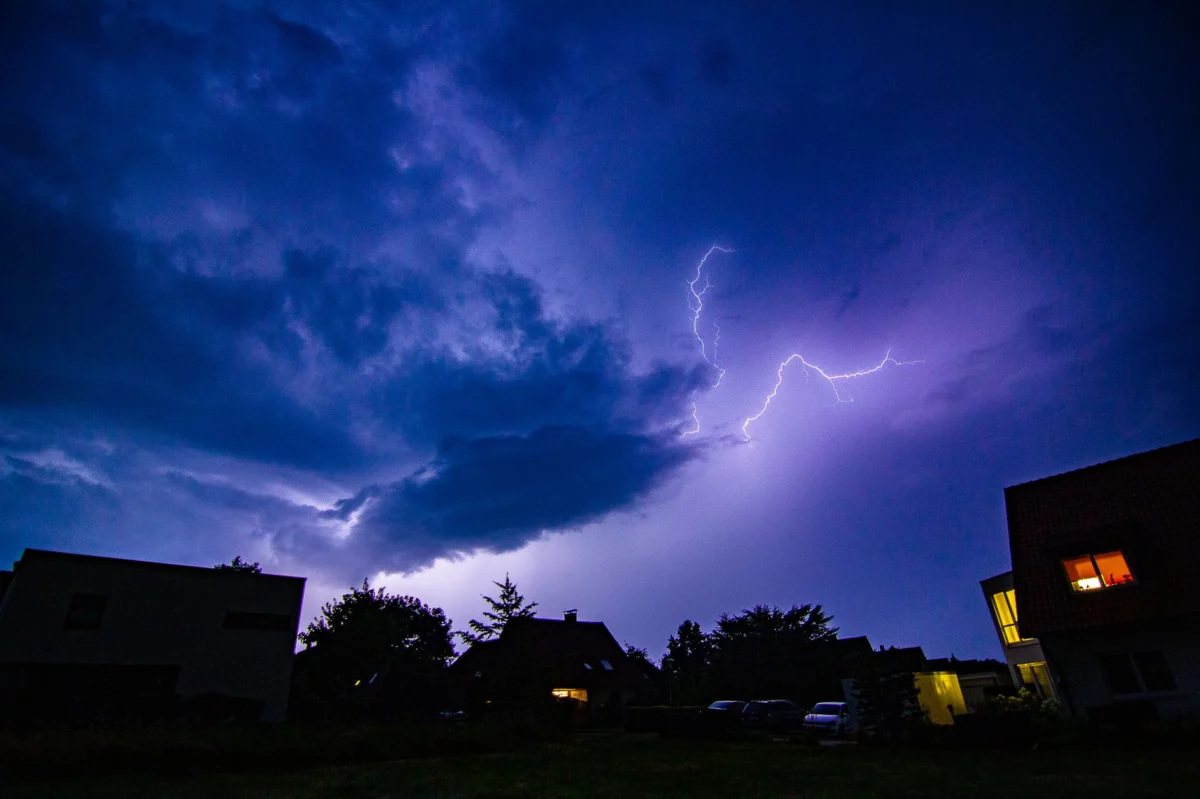
The best haunted house movies of all time endure because they understand a simple but ruthless idea: a home becomes terrifying when it stops protecting the people inside it. Any ranked list of the genre is really a ranking of how well a film turns architecture into fear, guilt, memory, and grief. That is why the canon stretches from The Haunting and The Innocents to Poltergeist, The Others, and His House. The list changes, but the mechanism does not.
That mechanism sits at the intersection of haunted house film, ghost story, and gothic fiction. The genre works when it treats domestic space as a moral argument. The house is never just a location; it is inheritance, enclosure, history, and denial made visible. That is why the same basic setup can support psychological horror, family drama, social critique, or full-blooded supernatural spectacle without losing its identity.
Why haunted houses still dominate horror
The strongest haunted house movies draw on an old literary pattern. Shirley Jackson‘s The Haunting of Hill House and Henry James’s The Turn of the Screw established a durable rule: the uncanny is most effective when it feels domestic, intimate, and plausibly deniable. The house allows horror to move slowly. It can leak into ceilings, doors, pipes, and photographs before the audience fully understands what is wrong. That slower pressure is more durable than a single jump scare because it attacks trust itself.
There is also a practical reason the genre keeps returning. A house can be read instantly. Viewers understand the front door, the basement, the attic, the hallway, and the locked room without explanation. Filmmakers can therefore spend their energy on mood and implication instead of world-building. A haunted castle, suburban split-level, or decaying manor can all communicate the same central anxiety: the place that should shelter the family has become the thing that watches it.
A haunted house movie succeeds when the building feels less like scenery than memory made architectural.
That is why rankings often reward films that understand restraint. The most respected titles rarely explain everything. They leave the audience with unresolved questions because ambiguity is not a flaw in this subgenre; it is a structural advantage.
What any serious ranking should reward
A ranked list of haunted house films is only useful if it evaluates more than scare count. Popular lists often overvalue memorable shocks and undervalue craft. A stronger ranking should weigh atmosphere, formal control, thematic density, and the ability to make the house feel like a living system instead of a decorative shell. The difference matters because the best examples do not simply stage hauntings. They connect the haunting to character and theme.
| Criterion | Why it matters | Representative films |
|---|---|---|
| Atmosphere over exposition | Tension should accumulate through sound, light, and framing rather than constant explanation. | The Haunting, The Innocents |
| Domestic conflict | The haunting should expose family fracture, inheritance, or displacement. | The Amityville Horror, Poltergeist, His House |
| Formal inventiveness | Production design and camera movement should make the house feel active, not static. | Crimson Peak, A Tale of Two Sisters, Beetlejuice |
| Ambiguity | If the film leaves room for psychological interpretation, it tends to survive repeated viewing. | The Others, The Shining |
This is the core mistake in many casual rankings: they treat the genre as a parade of famous titles instead of a test of disciplined control. A movie can be historically important and still fail as a haunted house film if it never makes the building feel spiritually contaminated. Conversely, a quieter film can rank highly because every corridor, window, and staircase carries narrative weight.
The films that define the category
Foundational classics built on restraint
The Haunting, directed by Robert Wise, remains the genre’s most disciplined architectural nightmare. It is not the loudest film on any list, but it is one of the most exact. The camera refuses to overstate the threat, which makes the house feel older and meaner than the characters can process. The film’s intelligence lies in how little it shows and how much it implies.
The Innocents, adapted from The Turn of the Screw, uses a similar strategy but turns it inward. The house is elegant, isolated, and emotionally hostile. The result is less a ghost story than a study in unstable perception. That ambiguity is precisely why it keeps appearing on best-of lists decades later.
The Legend of Hell House and The Changeling deserve more respect than they often receive. They understand that haunted architecture is most effective when it is tied to unresolved death, suppression, and private ritual. These films do not need constant mythology dumps. They trust the viewer to infer that the house is an archive of wrongdoing.
Mainstream titles that made the house a cultural icon
Poltergeist broadened the genre’s audience by taking suburban normality seriously. The film’s power comes from the collapse of the family home’s promise. It is not a remote mansion or decaying estate; it is the American dream turned hostile. That shift changed the genre’s commercial logic. Haunted houses no longer had to be remote to feel threatening. They could be next door.
The Amityville Horror turned a real-estate nightmare into a cultural template. Its lasting influence is less about factual claims than about how efficiently it translates domestic anxiety into genre shorthand. The film helped normalize the idea that a house could be a site of contamination that persists after the sale.
The Others is a stronger film than many lists admit because it fuses elegance with uncertainty. It refuses the easy payoff of constant disclosure. Instead, it builds dread through isolation, ritual, and the sense that the house is filtering reality. That is why it remains one of the few mainstream haunted house films that feels genuinely severe rather than merely decorative.
The Conjuring, associated with James Wan, shows how the genre adapted to modern franchise logic. Its house is only partly the point; the larger subject is a system of haunted-property stories, inherited evil, and procedural investigation. The film’s success proved that a haunted house movie can be commercially expansive without abandoning the old architecture of fear.
The Woman in Black belongs in this group because it understands gloom as a narrative engine. It uses atmosphere with almost punitive consistency. Nothing about the film is accidental. It is built from the same tradition as classic ghost stories, but it updates the visual language for contemporary viewers who expect cleaner framing and sharper sonic detail.
Modern reinventions and blurred borders
Modern rankings should make room for films that stretch the category without breaking it. Crimson Peak, directed by Guillermo del Toro, is a haunted house film by way of melodrama and gothic design. Its house is a visual thesis about rot, inheritance, and seduction. It is one of the few recent films that treats the mansion as an expressive organism, not just a backdrop.
A Tale of Two Sisters is more psychologically unstable, which is exactly why it matters. It uses domestic space to externalize fractured memory and family trauma. The film demonstrates that a haunted house does not need to be Western to be legible. The underlying grammar of the subgenre is portable.
His House is one of the clearest examples of the genre’s future. It connects the supernatural house to displacement, bureaucracy, and survivor’s guilt. That is a harder, sharper premise than a simple old-manor haunting. It shows that the genre can still evolve when filmmakers stop treating ghosts as decoration and start treating them as a language for social injury.
Paranormal Activity matters for a different reason. It made the ordinary home feel newly vulnerable in the age of surveillance, night-vision cameras, and low-budget realism. The house becomes a monitored system, not a sealed sanctuary. That technical shift is important because it changes how audiences experience intrusion. We do not just fear what enters the house; we fear that every room is already being watched.
The Shining is a border case, and a useful one. It is technically a hotel film, not a house film, but rankings keep pulling it into the haunted house conversation because its enclosure functions like a domestic trap. Stanley Kubrick turns architecture into psychological pressure, which is the genre’s central trick. Any list that includes it should justify the category stretch; any list that excludes it should explain why the film’s spatial terror is irrelevant. Most cannot.
Even Beetlejuice belongs in the conversation, though for tonal reasons rather than pure fear. It proves that the haunted house form can support comedy without losing its basic premise. The house still mediates identity, loss, and social order. It is simply expressed through farce instead of dread.
What rankings usually get wrong
The problem with many top-20 or top-25 lists is not that they choose the wrong films. It is that they confuse familiarity with completeness. A good ranking should not only reward the best-known titles. It should also account for craft, tonal range, and influence on later films. A list that ignores The Haunting is unserious. A list that ignores The Others or His House is incomplete. A list that values only jump scares is missing the genre’s real achievement: sustained unease.
There is another common error. Critics sometimes treat haunted house movies as if the ghost were the whole point. It is not. The ghost is the symptom. The house is the system. What makes the best films linger is that they attach haunting to human failure: denial, greed, grief, shame, or unresolved family conflict. If the film does not make that connection, the supernatural element feels arbitrary.
That is why the genre keeps producing durable classics. It offers a stable form with enough flexibility to absorb new anxieties. Victorian inheritance, suburban consumerism, refugee trauma, and digital surveillance can all be mapped onto the same basic structure. The house remains the perfect container because it is where private life is supposed to be safest. Horror begins the moment that assumption breaks.
FAQ
What makes a haunted house movie different from other horror films?
A haunted house movie makes the setting part of the threat. The building is not just where the story happens; it is the mechanism that generates the fear. That is what separates the subgenre from broader supernatural horror.
Which film is the most important haunted house classic?
The Haunting is the most defensible answer if the question is about craft and influence. The Innocents is a close second for its ambiguity and control.
Are hotel movies like The Shining part of the genre?
Strictly speaking, not always. But films like The Shining behave like haunted house stories because they turn enclosed domestic space into psychological imprisonment. That is why they keep appearing in rankings.
Why do modern haunted house movies often feel more realistic?
They tend to use contemporary settings, naturalistic performances, and restrained effects. Films such as Paranormal Activity and His House make the threat feel closer to ordinary life, which lowers the viewer’s defenses.
What the next haunted house movie must solve
The genre’s next challenge is not inventing new ghosts. It is finding new ways to make domestic space feel unstable in a world where home is already under pressure. Smart devices, precarious housing, migration, climate damage, and the constant documentation of private life have changed what a house means. The next great haunted house film will probably not rely on antique wallpaper or a Victorian staircase alone. It will treat the home as a contested asset, a monitored site, or a temporary shelter that never fully belongs to its occupants.
That is the sharpest reason the genre survives. The haunted house movie keeps returning because it is never really about the dead. It is about the living and the false promises they make to themselves about safety, ownership, and permanence. The best films understand that the house becomes terrifying at the exact moment it stops feeling like a refuge and starts behaving like an argument the characters cannot win.
Frequently Asked Questions
What makes a haunted house movie different from a general ghost story?
A haunted house movie is defined less by the presence of ghosts than by the house itself becoming the source of fear. In this genre, the building shapes the story through its rooms, layout, history, and symbolism. A ghost story can happen anywhere, but a haunted house film makes domestic space the engine of dread.
Why do rankings of haunted house movies still matter if the genre is so subjective?
Rankings matter because they reveal which films best use the genre’s core strengths: atmosphere, ambiguity, and the transformation of domestic space into psychological pressure. A good ranking is less about personal favorites and more about identifying which movies most effectively connect haunting, character, and theme in a lasting way.
Why is ambiguity considered a strength in haunted house films instead of a weakness?
Ambiguity works because it keeps the fear active after the film ends. If everything is explained, the haunting becomes fixed and finite. When a movie leaves room for psychological, supernatural, or symbolic readings, the audience keeps interpreting it, which makes the house feel more alive and unsettling on repeat viewings.
Do haunted house movies need to be set in old mansions or gothic houses?
No. The genre depends on domestic unease, not on a specific type of architecture. A suburban home, apartment, or modern family house can be just as effective if the film makes the space feel invasive or corrupted. What matters is that the place meant to protect the characters becomes emotionally or spiritually hostile.
Why do some famous haunted house movies rank lower than quieter classics?
Fame often comes from memorable scares or iconic imagery, but that does not always equal strong genre craft. The quieter classics usually rank higher because they build tension through control of sound, framing, and pacing, while making the house feel like part of the story rather than a backdrop for isolated shocks.