
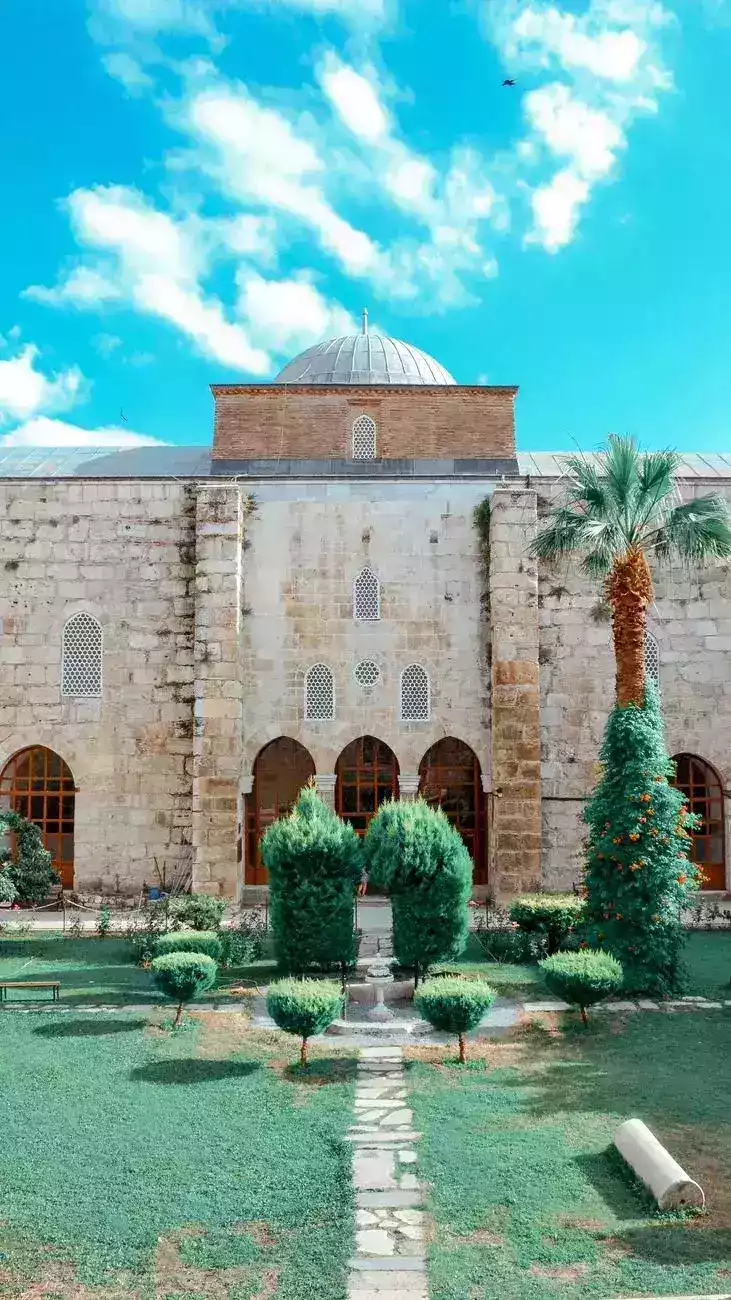
top destinations in the Middle East are usually sold as a checklist, but that framing misses the real variable: sequence. For experienced travelers, the decisive issue is not how many monuments fit into a trip; it is whether heat, flight fatigue, and transfer friction are arranged in your favor. This analysis is different because it treats the region as a routing problem, not a souvenir list. The payoff is concrete: fewer wasted transit hours, better archaeology timing, and a trip that feels coherent instead of fragmented.

Why top destinations in the Middle East reward sequencing
The modern travel landscape makes routing more important than ever. Open-jaw tickets are common, regional flights are frequent, and major heritage sites are increasingly time-sensitive because of crowd pressure and climate stress. In practical terms, the smartest order is still the simplest: Egypt first, Jordan second, Türkiye last. That pattern aligns with temperature, long-haul arrival fatigue, and the physical demands of archaeological sightseeing.
Planning top destinations in the Middle East by season
Seasonality is not a soft preference here; it is an operational constraint. Egypt and Jordan are most efficient from October to April, when early starts are tolerable and shade matters. Türkiye is better saved for spring or autumn, when Istanbul and Cappadocia are easier to enjoy without the intensity of midsummer heat. A trip that ignores seasonality often burns money on air-conditioned transfers and shortens the time you actually spend on site.
| Country | Ideal days | Why it works |
|---|---|---|
| Egypt | 5-8 | Front-load the hardest archaeology while energy is highest |
| Jordan | 3-4 | Compact geography minimizes internal friction |
| Türkiye | 5-6 | Best as a calmer final stop with strong flight connections home |
Country-by-country priorities
Egypt: use the first leg for the hardest archaeology
Egypt is the least forgiving stop physically, which is precisely why it belongs at the start. Cairo, Giza, Saqqara, Luxor, and optionally Aswan or a Nile cruise demand early departures and long periods on uneven ground. The strongest itinerary splits Cairo into two full days, reserves one day each for Luxor’s East and West Banks, and uses a cruise or domestic flights to connect the Nile corridor efficiently. UNESCO-listed sites such as Giza and Luxor are not difficult because they are inaccessible; they are difficult because their scale rewards patience, not compression.

Jordan: keep Petra and Wadi Rum together
Jordan works because it is compact, but that compactness is easy to misuse. Travelers often try to do Petra as a half-day and then rush on. That is a mistake. Petra needs an early start, a full day minimum, and a second morning if you want the Monastery climb or a quieter reading of the site. Wadi Rum should not be deleted to save one night; it is the experiential counterweight to Petra’s archaeological density. If you only have two days, you can technically do Petra and move on, but you will pay for it with transit fatigue and a weaker overall trip.
Türkiye: finish with Istanbul and Cappadocia
Türkiye is the best final act because it reduces pressure rather than increasing it. Istanbul offers the deepest food range, the richest urban recovery pace, and the best set of nonstop return flights. Cappadocia then gives the itinerary a visual climax without the same physical strain as Egypt or Petra. The logic is analytical: by the time you reach Türkiye, your body has adapted to the time zone, your photography expectations are calibrated, and the trip ends with a softer landing instead of a logistical scramble.
Practical routing framework
Use this sequence-first method when building a multi-country itinerary:
- Lock the open-jaw flight. Enter through Cairo or Amman and exit from Istanbul if possible.
- Place the hardest site first. Use Egypt for the earliest full-energy days.
- Cluster by geography. Keep Petra and Wadi Rum together; keep Istanbul and Cappadocia linked by domestic flight.
- Protect morning hours. The best photographs and the lowest crowd density almost always happen before 9 AM.
- Leave buffer for border and transfer risk. A missed regional flight can destroy the logic of the whole trip.
Common mistakes and edge cases
- Reversing the order and ending in Egypt, when fatigue is highest.
- Compressing Jordan into two days and cutting Wadi Rum, which removes the trip’s strongest contrast.
- Overbooking museums after long-haul arrival days.
- Assuming all three countries behave the same at customs, airport transfer, and visa levels; they do not.
One contrarian view deserves attention: some travelers prefer Istanbul first because the city eases jet lag with easier logistics, excellent food, and strong hotel stock. That can work for a city break, but it is a weaker choice for a heritage-heavy route. Once you have to walk sun-struck archaeological ground, you want the toughest leg behind you, not ahead of you.

Selected authoritative references
- UNESCO World Heritage Centre: Memphis and its Necropolis – the Pyramid Fields from Giza to Dahshur
- UNESCO World Heritage Centre: Petra
- UNESCO World Heritage Centre: Göreme National Park and the Rock Sites of Cappadocia
- U.S. Department of State: Egypt travel information
- U.S. Department of State: Jordan travel information
What the next five years will change
The most important trend is not more destinations; it is more friction management. Timed-entry systems, tighter heritage-site crowd control, and better regional flight networks will reward travelers who plan like operators. Climate pressure will also push more demand into shoulder seasons, making October-November and March-April increasingly valuable. In that environment, the winning itineraries will not be the longest ones. They will be the ones that respect energy, weather, and routing logic from the first flight to the last.
That is the strategic advantage of top destinations in the Middle East: when you sequence them well, the region becomes more than a collection of landmarks. It becomes a high-performance itinerary with fewer wasted hours, stronger site context, and better decisions at every transfer point. The next travel advantage will belong to planners who understand that the route itself is part of the experience, not just the path between attractions.
Frequently Asked Questions
Why does the article recommend Egypt first instead of saving it for the end of the trip?
Egypt is the most physically demanding stop because of early departures, large archaeological sites, and uneven terrain. Doing it first means you arrive with the most energy and least accumulated fatigue. It also reduces the risk that heat, crowds, or transit weariness will make sites like Giza, Saqqara, and Luxor feel rushed or compressed.
Is it really necessary to keep Petra and Wadi Rum on the same leg of the itinerary?
Yes, because they work best as a paired experience. Petra is a full-day archaeological site that benefits from an early start and a second morning if possible, while Wadi Rum provides a contrasting landscape that balances the trip. Splitting them usually adds friction without improving the overall experience, especially on a short itinerary.
What is the advantage of ending in Türkiye rather than beginning there?
Türkiye is easier as a final stop because it lowers pressure instead of increasing it. Istanbul offers excellent recovery between sightseeing days, strong food options, and the best flight connections home. Cappadocia then serves as a scenic finale, which is more relaxing after Egypt and Jordan than starting the trip with another high-effort destination.
How much time do I need in each country to make this route work properly?
A practical minimum is 5 to 8 days for Egypt, 3 to 4 for Jordan, and 5 to 6 for Türkiye. That balance gives Egypt enough time for the major archaeological sites, Jordan enough time for Petra and Wadi Rum without rushing, and Türkiye enough time to finish with Istanbul and Cappadocia at a comfortable pace.
What is the biggest mistake travelers make when planning this kind of Middle East route?
The most common mistake is planning by landmarks instead of by sequence. People often cram too many stops into the middle of the trip, underestimate transit fatigue, and ignore seasonal heat. The result is more time in transfers and less time on site. A better plan protects mornings, clusters nearby destinations, and keeps the hardest visits early.