
FOCUS KEYPHRASE: Cappadocia trip plan
SEO TITLE: Cappadocia Trip Plan: Smart 3-Day Guide
SEO SLUG: cappadocia-trip-plan
META DESCRIPTION: Build a smarter Cappadocia trip plan with timing, routes, and costs that reduce cancellations, wasted transfers, and rushed sightseeing.
SYNONYMS: Cappadocia itinerary, Cappadocia travel plan, 3-day Cappadocia itinerary, first-time Cappadocia guide, Cappadocia route plan
The Cappadocia trip plan that holds up in practice is not the cheapest or the most compressed. It is the one that protects your first sunrise balloon attempt, uses the right airport, and leaves enough slack for weather. That is the key difference in this analysis: instead of romanticizing the region, it evaluates the logistics that decide whether the visit feels efficient or chaotic. Readers will gain a route framework, cost realism, and a clearer view of where the usual advice breaks down.
Background context: why the region punishes bad sequencing
Cappadocia is a high-value, low-margin destination. Its appeal depends on weather windows, site spacing, and early starts. The core tourism product is not a single attraction but a stack of interdependent experiences: ballooning, valley walks, underground cities, and cave-hotel stays. That means itinerary design matters more here than in most city breaks.
Historical context matters too. The region’s volcanic tuff has created the carved churches, cave homes, and eroded valleys that now define the UNESCO-listed landscape. See UNESCO’s Göreme National Park listing and the Türkiye Ministry of Culture and Tourism for official background. The market today is mature but fragmented: balloon operators, transfer companies, and tours often sell separately, which creates hidden connection risk for first-time visitors.

Cappadocia trip plan: the two-night minimum that actually works
For a first visit, two nights is the practical floor. One night can work on paper, but it exposes you to the exact failure modes that matter most: a delayed domestic flight, a balloon cancellation, or an exhausting same-day transfer chain from Istanbul. Two nights create one buffer morning and one clean touring day.
Cappadocia trip plan for first morning balloon timing
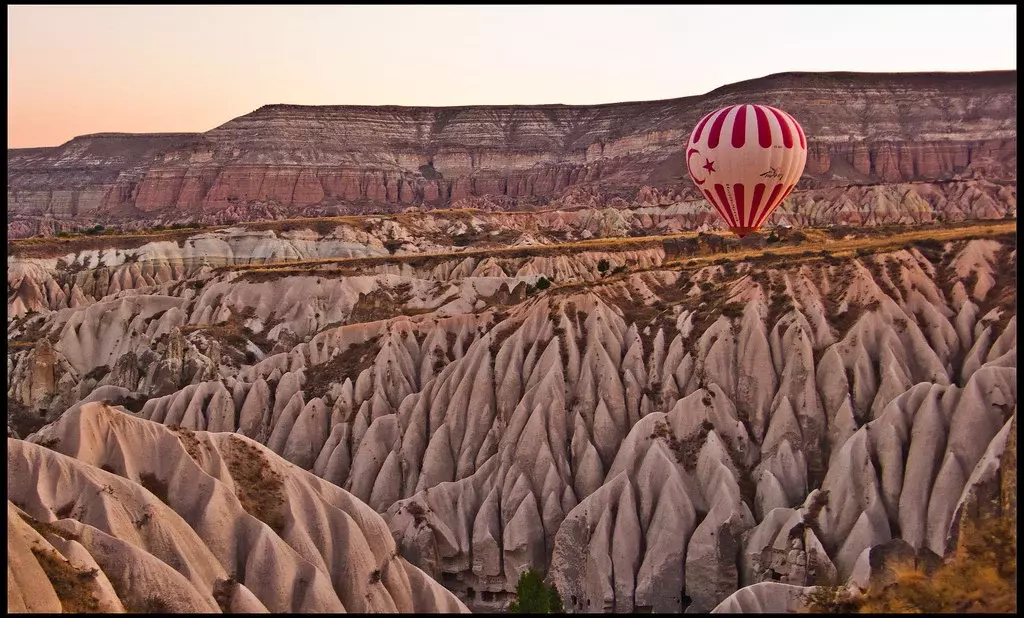
Put the balloon on the first full morning, not the departure morning. Balloon launches are controlled by weather and aviation clearance; if the wind is wrong, you do not get a substitute by force of money alone. The Turkish Directorate General of Civil Aviation publishes the operational framework for balloon activity, and operators routinely suspend flights when conditions are unsafe: SHGM official site. The contrarian view is that a balloon is optional, not essential. That is defensible only if you are explicitly trading away the classic Cappadocia experience.

Case study: the one-night itinerary trap
A traveler lands from Istanbul at midday, tries to fit in a balloon flight the next dawn, and books the return flight that same afternoon. If wind cancels the balloon, the entire trip loses its centerpiece. If the transfer runs late, the day becomes a race rather than a visit. Two nights removes that single-point failure and converts the visit from fragile to resilient.
Route logic: the north-south split is not arbitrary
The most efficient first-time route is a north-day and a south-day, with the balloon inserted before either, if conditions allow. Day one should cover Göreme Open-Air Museum, Paşabağ, and Avanos or nearby village stops. Day two should shift to the south: a major underground city, one or two viewpoints, and a valley walk only if the group pace supports it.
This structure is efficient because it reduces backtracking and matches energy levels to terrain. North-side sites are better for arrival-day touring because they require less time on foot. South-side sites demand more patience and often include stairs, tunnels, and uneven floors. Travelers with claustrophobia should treat Derinkuyu and similar underground cities as edge cases, not default inclusions.
For operational context, use official aviation and heritage sources rather than social media itineraries. The State Airports Authority and the UNESCO listing are more useful than influencer maps because they remind you that this is a protected landscape, not a theme park.

Cost structure: where first-timers overpay
The main cost variable is the balloon, followed by hotel category and transfer complexity. Package pricing often obscures what is actually included. Compare the itinerary as a system, not as a nightly rate.
| Travel style | Typical planning range | What is usually included | Common extras |
|---|---|---|---|
| Budget-conscious | $450-$750 | Basic hotel, domestic transport, selected shared touring | Balloon, dinners, some entry fees |
| Mid-range | $750-$1,300 | Comfortable hotel, transfers, guided touring | Balloon if not bundled, drinks, tips |
| Private or premium | $1,300+ | Higher-category lodging, private touring | Premium balloon, extra meals, personal expenses |
The mistake is buying the lowest headline price and then paying for three separate fixes: a late airport transfer, a rushed balloon rebooking, and an extra private ride because the hotel was in the wrong village. A better price test is simple: does the plan preserve your first balloon morning and cover the transfer from Kayseri or Nevşehir without friction?
Practical applications: how to implement the plan
Use this framework:
- Book an early domestic flight from Istanbul.
- Choose the airport based on your hotel location, not just fare price.
- Reserve the balloon for the first available morning.
- Keep one afternoon light for recovery and photography.
- Verify inclusions: transfers, admissions, meals, and cancellation rules.
A high-performing Cappadocia trip plan also avoids common errors. Do not schedule the balloon as a final-day nonrefundable item. Do not choose a remote hotel simply because it is cheaper. Do not assume sandals or city sneakers are adequate on volcanic trails. And do not fill the itinerary with ATV or horseback add-ons before you have covered the core heritage sites.
For mobility-limited travelers, prioritize cave-hotel access, transfer reliability, and the shortest possible walking loops. For photographers, sunrise position matters more than tour density. For couples on a short break, a private driver may be worth the premium because it compresses logistics rather than just adding comfort.
Future trends and strategic implications
Three trends will shape the next phase of Cappadocia planning. First, demand for flexible balloon rescheduling will keep rising as travelers become more aware of weather risk. Second, inventory pressure in peak spring and autumn will likely push more dynamic pricing in hotels and flights. Third, regulators and operators will continue tightening safety and crowd management around balloon launches and sensitive heritage zones.
That creates both opportunity and risk. The opportunity is better product segmentation: clearer packages for balloon-first travelers, archaeology-focused visitors, and premium private trips. The risk is that a poorly assembled independent booking will become even more resiliently fragile as prices fluctuate and availability narrows.
Selected references
- UNESCO: Göreme National Park and the Rock Sites of Cappadocia
- Türkiye Ministry of Culture and Tourism: Cappadocia
- Turkish Directorate General of Civil Aviation
- State Airports Authority of Türkiye
The strongest Cappadocia trip plan is not the one that maximizes activity count. It is the one that buys reliability: a second morning, a flexible transfer, and a realistic view of weather risk. That is where first-time travelers either gain a seamless experience or lose the trip to avoidable friction. The strategic insight is simple: in Cappadocia, time buffer is not padding; it is the product.
Frequently Asked Questions
Which airport is better for a Cappadocia trip plan: Nevşehir or Kayseri?
Nevşehir is usually more convenient if you want the shortest transfer and a lower-friction arrival, especially for a two-night stay. Kayseri often has more flight options, but the transfer is longer and can eat into a short itinerary. If your trip is tightly timed, the smaller airport can reduce the risk of turning arrival day into a rushed logistics chain.
Is it worth booking the hot air balloon before checking the weather forecast?
For a short trip, yes, but only if you understand that a booking is not a guarantee of flight. The real goal is to place the balloon on your first full morning and keep the rest of the itinerary flexible. Weather can still cancel the launch, so a good plan is built around the possibility of a no-fly day, not around certainty.
Why does a two-night Cappadocia itinerary work better than a one-night stay?
Two nights create a buffer against the region’s biggest risks: flight delays, balloon cancellations, and transfer overruns. With only one night, a single disruption can remove the balloon from your trip or force you to skip major sites. Two nights usually means one protected sunrise window and one full touring day without constantly watching the clock.
Should I try to visit both the north and south sites in one day?
You can, but it usually makes the trip feel compressed rather than complete. The north side is better for lighter sightseeing and easier movement, while the south side needs more time for underground cities and valley walks. Splitting them across two days reduces backtracking, preserves energy, and makes the itinerary less vulnerable to small delays.
How should I handle underground cities if I’m unsure about tight spaces?
Treat underground cities as optional, not automatic. They can be crowded, narrow, and physically demanding, especially if you’re sensitive to enclosed spaces or steep stairs. If you want the experience without overcommitting, choose one major underground city, go early, and avoid pairing it with too many other stops on the same day.
What hidden costs most often make a Cappadocia trip plan more expensive than expected?
The biggest surprises are often transfers, last-minute balloon rebooking, private guide or driver upgrades, and hotel choices that look central but require extra transport. Short stays are especially vulnerable because small inefficiencies add up quickly. A realistic budget should account for flexibility, not just the headline cost of flights, lodging, and one tour.