
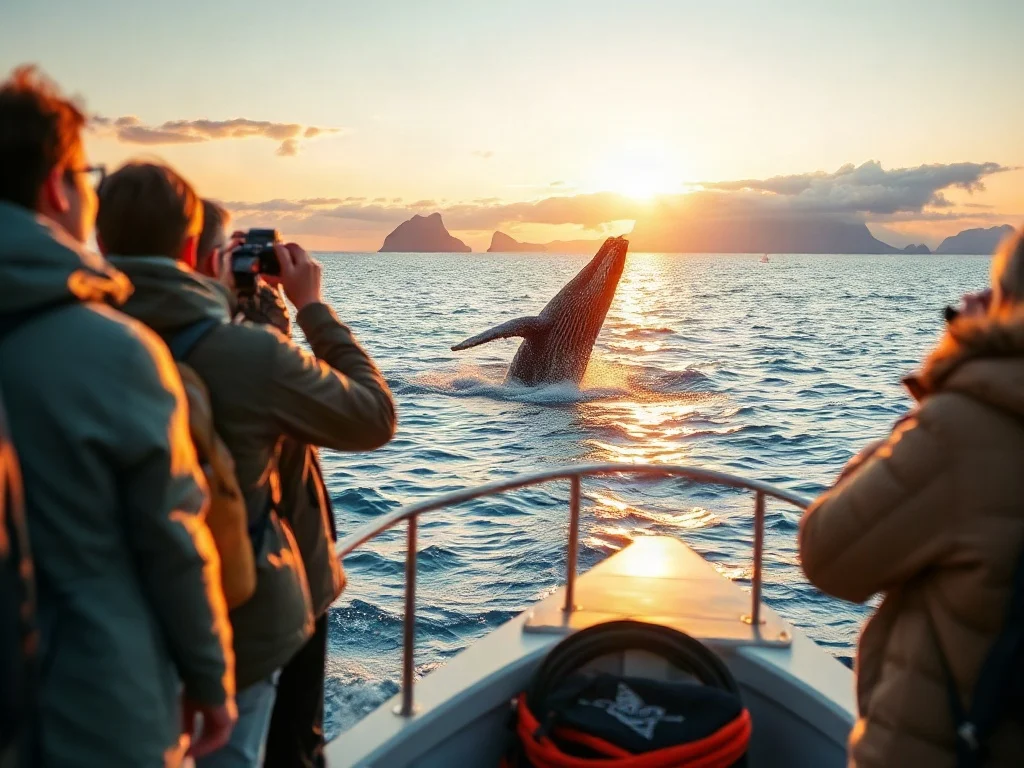
There is a particular silence that falls over a living room when a humpback whale rises through the blue on screen. Millions of people have felt it, and new research suggests that for many of them it does not fade when the credits roll. According to small-group adventure specialist Explore Worldwide, more than a third (36%) of UK adults have visited a destination because of a nature or wildlife documentary. With Sir David Attenborough’s Blue Planet III arriving, the company expects a fresh surge of interest in wildlife adventure travel. This article looks at why the so-called Attenborough Effect is so powerful, what it means for travellers and destinations, and how to turn a burst of inspiration into a trip that is memorable and responsible.
The Attenborough Effect: What the Research Actually Says
The headline figure is simple but striking. Explore Worldwide’s research indicates that 36% of UK adults have travelled somewhere because a nature or wildlife programme put it on their radar. That is not a niche behaviour. It suggests that the television screen has become one of the most effective travel brochures ever produced, and one that viewers never realise they are reading.
It is worth being precise about what the figure does and does not show. It is a commissioned survey from a travel company with a commercial interest in the subject, so it should be read as an indicator of attitudes and behaviour rather than a peer-reviewed measurement of causation. Even so, it fits a long-established pattern known as film tourism, in which screen content drives visits to the places it portrays. What is distinctive about nature programming is that the star of the show is not a set or a landmark but a living animal, and that makes the pull more emotional and more urgent.
The man most associated with that pull is David Attenborough, whose career with the BBC Natural History Unit has shaped how generations understand the living world. Landmark series such as The Blue Planet, Planet Earth, Planet Earth II and Blue Planet II built an audience that trusts his voice and wants to see for itself what he describes.
Why Nature Documentaries Inspire Travel
Anyone asking why nature documentaries inspire travel is really asking a question about psychology. Several forces work together, and understanding them helps both travellers and the businesses that serve them.
Emotion Comes Before Logistics
A well-made documentary does not begin with flight times or hotel ratings. It begins with wonder: a predator’s patience, a mother’s vigilance, an ocean so clear it seems unreal. That emotional response creates a desire that practical planning later has to satisfy. Viewers are not comparing prices when they decide they want to see something. They are responding to awe, and awe is a stronger motivator than convenience.
Specificity Turns Dreams into Destinations
Documentaries name places. A viewer who has been moved by a sequence filmed on the Galápagos Islands, in the Serengeti or on the Great Barrier Reef gains a concrete place to aim at. Vague longing becomes a searchable destination, and that is the moment when inspiration becomes a booking enquiry.
The Second Screen Amplifies the First
Many people now watch with a phone in hand. A striking scene prompts a search, a saved post or a message to a friend. Clips circulate on social media long after broadcast, which keeps a destination in view for months. This is why the effect of a series like Blue Planet III is likely to be a long tail of interest rather than a single spike.
What Wildlife Adventure Travel Looks Like in Practice
Wildlife adventure travel sits at the meeting point of adventure travel and ecotourism. It is less about sitting in a vehicle and ticking off species, and more about being physically present in an ecosystem: trekking, paddling, snorkelling or sailing in places where animals live their lives undisturbed.
Documentaries tend to point viewers towards a handful of recurring habitats, and each suggests a different style of trip:
- Oceans and coasts: boat-based expeditions, snorkelling and whale watching, the natural follow-on from an ocean series.
- Polar regions: voyages to Antarctica and the Arctic, where penguins, seals and seabirds dominate the experience.
- Rainforest and island biodiversity: destinations such as Madagascar and Costa Rica, rich in biodiversity and well suited to walking-based itineraries.
- Grassland and savannah: classic safari regions where large mammals and migration events draw visitors.
Why Small-Group Travel Suits the Wildlife Traveller
Explore Worldwide describes itself as a small-group adventure travel specialist, and the format matters for wildlife trips. Smaller groups generally create less noise and disturbance, allow guides to position people more carefully, and give travellers a better chance of the quiet, unhurried encounters that documentaries make look effortless. A local guide with deep knowledge of animal behaviour is often the difference between seeing an animal and understanding what it is doing.
There is also a human advantage. Wildlife watching rewards patience, and patience is easier to share with a handful of like-minded people than with a large coach party. For solo travellers in particular, a small group provides companionship without sacrificing the intimacy of the experience.
The Double-Edged Sword: Responsible Wildlife Tourism
A surge in demand is welcome news for conservation-minded operators and local economies, but it carries real risks. The same documentaries that inspire people to travel also document the fragility of the places they feature, and visitors have a duty to take that seriously.
Pressure on Popular Places
Overtourism is a genuine concern when a single destination becomes the focus of a collective urge. Too many boats, vehicles or walkers can alter animal behaviour, damage habitats and degrade the very experience visitors came for. Reefs already stressed by coral bleaching are a pertinent example of how vulnerable a headline destination can be.
The Carbon Question
Long-haul flights carry a significant carbon footprint, which creates an uncomfortable tension: travelling to admire nature contributes to the pressures on it. There is no tidy answer. Fewer, longer trips, overland travel once on the ground and operators that invest meaningfully in local conservation are all reasonable ways to narrow the gap, but honesty about the trade-off is better than pretending it does not exist.
Why Responsible Choices Still Matter
Well-managed sustainable tourism can give communities a financial reason to protect wildlife rather than exploit it. The key word is well-managed. Responsible wildlife tourism means that income reaches local people, that animal welfare takes priority over photographs, and that visitor numbers are kept within what an ecosystem can bear.
How to Plan a Trip Inspired by a Wildlife Documentary
If a series has stirred your wanderlust, a little planning will turn it into a trip that lives up to the screen version.
- Identify what actually moved you. Was it a species, a habitat or a feeling? A trip built around a specific animal needs different timing and logistics from one built around a landscape.
- Research seasons carefully. Wildlife is governed by migration, breeding and weather. The right place at the wrong time can mean an empty horizon.
- Check the operator’s wildlife ethics. Look for clear policies on viewing distances, no feeding or handling of animals, and use of local guides.
- Choose group size deliberately. Smaller groups usually mean lower impact and better access.
- Set realistic expectations. Documentaries compress months of filming into an hour. Your own sightings will be rarer, quieter and, for many travellers, more rewarding because they are real.
Common Mistakes to Avoid
- Expecting guaranteed sightings. Wild animals owe nobody a performance.
- Choosing attractions that offer close contact with animals, which often signals poor welfare.
- Cramming too many destinations into one itinerary and leaving no time for waiting and watching.
- Ignoring packing essentials such as quiet clothing, binoculars and sensible footwear.
What the Next Wave Could Mean for the Travel Industry
For operators, the lesson is that documentary releases are predictable demand signals. A major series gives travel companies months of advance warning to prepare itineraries, train guides and communicate responsibly. The business that treats Blue Planet III as a short-term marketing opportunity may profit briefly. The one that uses it to educate customers about conservation is more likely to build lasting trust.
There is a precedent for documentaries changing public behaviour beyond travel. Blue Planet II was widely credited in media coverage with sharpening public concern about plastic pollution, which suggests that audiences are willing to act on what they see. Whether that willingness extends to more thoughtful travel choices, rather than simply more travel, is an open question. That is a prediction to watch rather than an established fact.
Frequently Asked Questions
What is the Attenborough Effect?
It is the influence of David Attenborough’s programmes on public attitudes and behaviour, including travel choices, interest in conservation and awareness of environmental issues. Explore Worldwide’s research found that 36% of UK adults have visited a destination because of a nature or wildlife documentary.
Why do nature documentaries inspire people to travel?
They combine emotional storytelling with named, real places. Viewers who are moved by an animal or landscape gain a specific destination to aim for, and social media keeps that inspiration alive after broadcast.
Is wildlife travel bad for the environment?
It can be, through flight emissions and visitor pressure on fragile habitats. It can also support conservation when income flows to local communities and numbers are controlled. The outcome depends heavily on how the trip is run.
How can I choose a responsible wildlife holiday?
Look for small groups, local guides, strict rules about distance from animals, and transparency about how the operator supports conservation and local people. Avoid anything that involves touching, feeding or riding wild animals.
Who is Explore Worldwide?
Explore Worldwide is a small-group adventure travel specialist. You can find out more about its trips on the Explore Worldwide website.
When the Credits Roll, the Real Story Begins
The most important insight from this research is that television has quietly become one of the strongest forces shaping where people choose to go. A figure as high as 36% means the relationship between screen and suitcase is no longer an occasional curiosity. It is mainstream behaviour, and it carries real responsibility for broadcasters, operators and viewers alike.
The next thing to watch is not how many people book after Blue Planet III, but what they do when they arrive. Will the awe that first drew them to a destination translate into patience, respect and support for the people who protect it? A reasonable prediction is that the most successful wildlife adventures of the coming years will be those that treat the viewer-turned-traveller as a participant in conservation rather than a spectator. The unanswered question is whether the industry can grow demand without loving its subject to death. The answer will depend less on what appears on screen than on what travellers choose to do once the screen goes dark.