
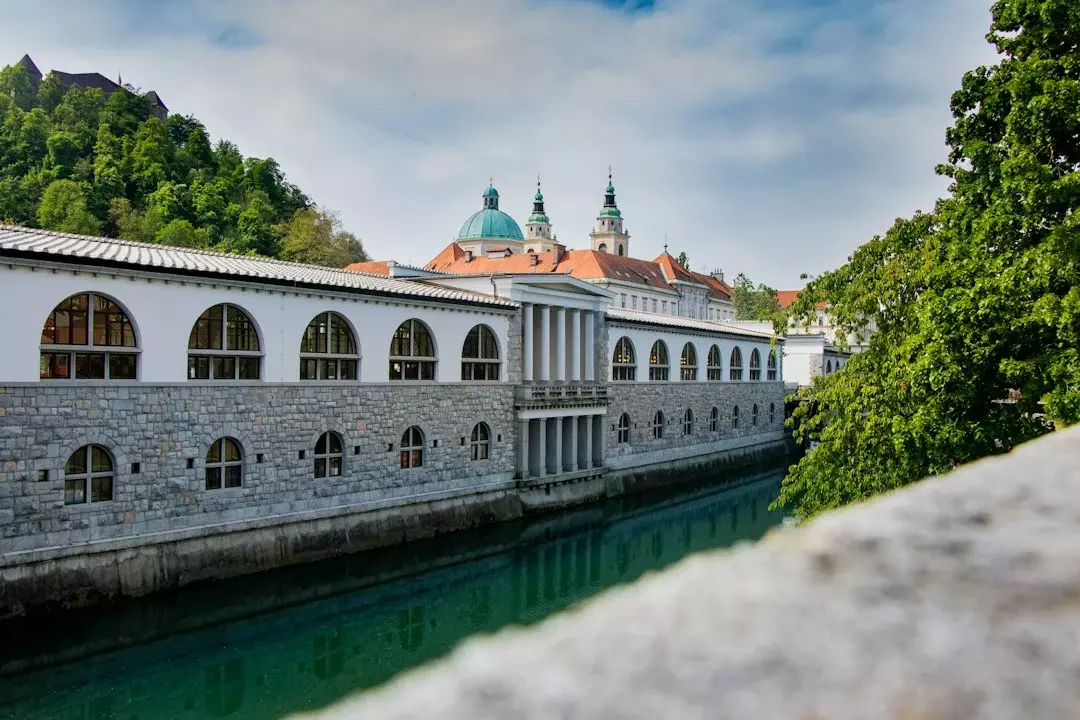
The Slovenia referendum on parliamentary inquiry powers turned a technical question of legislative design into a test of political trust. With 99 percent of votes counted, 51 percent voted against the proposal and 49 percent in favor, delivering a narrow but unmistakable rebuke to Prime Minister Janez Janša. In Slovenia, where the referendum remains a powerful democratic instrument, the result says as much about power as it does about procedure.
A Narrow Defeat With Wider Political Meaning
The proposal sought to expand the powers of parliamentary inquiry, a tool that should, in theory, strengthen scrutiny inside the National Assembly of Slovenia. Instead, the debate quickly became part of a larger struggle over Slovenian politics, with opponents arguing that the reform concentrated too much leverage in the hands of the governing majority. Supporters framed it as a practical update to oversight rules; critics saw a danger to separation of powers.
Why the bill became a political flashpoint
At the heart of the dispute was a basic democratic tension: how far should elected leaders be allowed to reshape the instruments that are supposed to check them? A parliamentary inquiry can expose wrongdoing, clarify public decisions, and force testimony into the open. But if the rules are rewritten without broad agreement, the same mechanism can look less like accountability and more like a partisan tool.
That is why the referendum mattered beyond the legal text. In a healthy legislature, oversight is not merely a formality. It is one of the few ways a minority, the opposition, and the public can still exert pressure when the governing side controls the agenda.
- Supporters argued the bill would modernize oversight and make inquiries more effective.
- Opponents warned that the government was trying to tilt the system in its own favor.
- Voters ultimately signaled that institutional changes need broader trust than this proposal earned.
Janez Janša, reform politics, and the problem of perception
Janez Janša has long been one of the defining figures in modern Slovenian public life. His supporters see a forceful reformer; his critics see a polarizing nationalist who often governs in a confrontational style. That tension helps explain why the opposition denounced the reform agenda as authoritarian. In politics, perception is not a side issue. It is often the battlefield itself.
The phrase reform agenda can inspire confidence when change looks disciplined and transparent. It can trigger alarm when institutions appear to be bending around the executive. In that sense, the referendum became a verdict not only on one bill, but on whether Janša’s government had earned the public’s confidence to redesign the rules of scrutiny.
What the result reveals about Slovenian democracy
Slovenia is a small European republic, but it has a dense democratic architecture. Tools of direct democracy, including referendums, give citizens a rare chance to interrupt parliamentary momentum. That does not mean every vote is a judgment on the entire government. Yet in close contests, a referendum can become a thermometer for public patience.
For the European Union, this kind of domestic institutional conflict matters too. Brussels does not run Slovenian politics, but it watches for signs that member states are maintaining checks, balances, and predictable rule-making. A government can be elected with a mandate and still lose legitimacy if voters believe it is rewriting the guardrails around itself.
If the dispute escalated into a constitutional challenge, the Constitutional Court of Slovenia would likely become an important arena. That possibility alone shows how political and legal the question became: not just what lawmakers wanted to do, but whether they had chosen the right route to do it.
How the vote may reshape the next phase of reform
The narrow margin matters. A 51-49 split is not a landslide against change; it is a warning that reform without consensus can backfire. Any future attempt to adjust parliamentary oversight will likely need clearer safeguards, better public explanation, and a less combative tone. In other words, the substance may still be negotiable, but the method has already been judged.
That is especially true in a political system where the National Council of Slovenia, the courts, civil society, and coalition partners all matter in the long game. When trust is thin, procedural victories can become strategic losses.
Frequently asked questions about the referendum
What was the bill trying to change?
It aimed to expand parliamentary inquiry powers. The precise legal mechanics matter less than the political effect: many voters appeared to fear that the government was strengthening tools it could use for partisan advantage.
Was the referendum binding?
Yes. The vote was described as binding, which means the result carries legal force and cannot be treated as symbolic noise.
Why did critics call the agenda authoritarian?
Because institutional reforms can feel authoritarian when they are seen as centralizing power, weakening oversight, or narrowing the space for opposition scrutiny. Whether that label is fair is debated, but the political danger lies in the perception itself.
What to watch next in Ljubljana
The most important question now is not whether the government can find another bill, but whether it can rebuild enough trust to make reform credible. If Janša’s camp doubles down, the conflict may deepen. If it recalibrates, the referendum could become a turning point toward more durable compromise.
The real lesson from the Slovenia referendum on parliamentary inquiry powers is that modern democracies are often decided in the seams between law and legitimacy. The next few months will show whether Slovenian leaders treat that narrow defeat as a temporary setback, or as a signal that the country wants stronger institutions with fewer power grabs.
Frequently Asked Questions
Why did a vote on parliamentary inquiry powers become a major political issue instead of a technical reform debate?
Because the proposal was seen as changing who could control scrutiny inside parliament. Supporters presented it as an efficiency upgrade, but critics feared the governing majority could use the new rules to strengthen its own position. In that context, the referendum became a broader test of trust in Janša’s government and its intentions.
What exactly are parliamentary inquiry powers, and why do they matter in a democracy?
Parliamentary inquiry powers allow lawmakers to investigate public decisions, summon testimony, and examine possible wrongdoing. They matter because they can expose abuses and hold the executive accountable. If those powers are redesigned without wide agreement, however, they may look less like oversight and more like a partisan tool.
Does the narrow 51-49 result mean Slovenians rejected reform altogether?
Not necessarily. The result suggests that voters did not trust this particular proposal or the political context around it. The margin was close, so it was more a warning than a decisive rejection of change. It shows that institutional reforms need broader legitimacy, especially when they affect checks on government power.
How does Janez Janša’s political style affect the public’s reading of this referendum?
Janša is viewed very differently by supporters and critics. His allies see a determined reformer, while opponents often regard him as confrontational and overly centralizing. Because of that divide, the referendum was interpreted less as a routine legal vote and more as a judgment on whether his government could be trusted to redesign oversight rules fairly.
Could this dispute still continue after the referendum result?
Yes. A referendum defeat does not always end the legal or political debate. If lawmakers try a revised version of the reform, or if opponents challenge the process, the Constitutional Court could become involved. The vote may slow the agenda, but it does not necessarily remove the issue from Slovenia’s political system.