
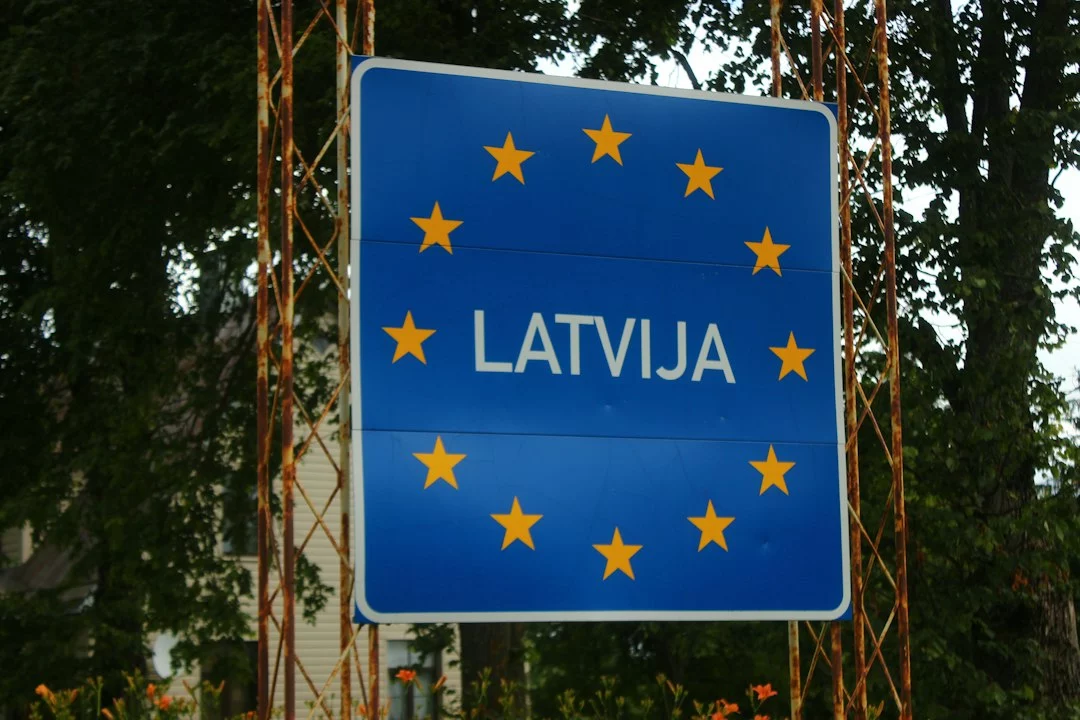
Latvia parliamentary election exit polls have handed Prime Minister Andris Kulbergs’ pro-Ukraine party a striking lead, but the deeper story is still unfolding behind the numbers. In a parliamentary system like Latvia, the first party across the line does not automatically get to govern. The Saeima decides power through alliances, bargaining, and the hard arithmetic of a coalition government.
Why the exit polls matter more than the headline
An exit poll is not the final count, but it is often the fastest signal of how voters are feeling. In a fragmented parliamentary election, a few percentage points can reshape the entire negotiation map. That is why this result matters: not just because one party appears ahead, but because it suggests a public mood strong enough to give the prime minister’s camp breathing room while weakening some of its supposed allies.
Latvian politics has long been shaped by a competitive, multi-party politics of Latvia landscape, where voters often reward competence, continuity, and strategic clarity rather than sweeping ideological landslides. The result described by the exit polls implies that the governing message may have resonated more than the coalition machinery around it. That is a subtle but important distinction: a party can win the night and still spend the next week negotiating for survival.
The difference between a lead and a mandate
Political leaders love the language of victory, but governing depends on seats, trust, and the willingness of other political parties to cooperate. If coalition partners stumble, the winning bloc may have to rebuild the cabinet from scratch, even if the public message stays the same. That is the quiet reality of parliamentary politics: the strongest party is often only the opening argument.
Security, Ukraine, and the electorate’s mood
The pro-Ukraine label is not a side note in this election; it is part of the party’s identity and one of the most consequential cleavages in modern Latvian public life. Since the Russian invasion of Ukraine, support for Kyiv has become a test of political credibility across much of Central and Eastern Europe. For a country in the Baltic states, close to Russia and deeply integrated into Western institutions, foreign policy is no longer a distant topic. It is the lens through which voters judge security, identity, and long-term stability.
That is why the outcome also carries a clear pro-Europeanism signal. Latvia’s membership in the European Union and NATO anchors its strategic direction, but elections still matter because they define how firmly a government will defend that path. A strong result for a pro-Ukraine party suggests that many voters want continuity on defense, sanctions, and regional security, even if they are unhappy with domestic frictions at home.
In that sense, the election is about more than a single leader or campaign slogan. It is about whether Latvia’s democratic center of gravity remains firmly aligned with Western institutions or whether coalition bargaining could dilute that position. The answer may depend less on speeches than on which allies are willing to sit at the table in Riga.
Coalition arithmetic will decide the real winner
The most important phrase in post-election Latvia is not
Frequently Asked Questions
Why do exit polls matter if they are not the final vote count?
Exit polls are not official results, but they are the earliest reliable clue about voter sentiment. In a fragmented system like Latvia’s, even small shifts can change which parties are viable coalition partners. They also reveal whether the governing message is strengthening or weakening before the official count confirms the seat balance.
If the pro-Ukraine party came first, does that mean it will automatically form the government?
No. In Latvia’s parliamentary system, the party with the most votes or seats still needs support from other parties to reach a majority in the Saeima. Government formation depends on coalition talks, and the strongest party can still be excluded if other groups refuse to cooperate.
Why is the election being described as a test of Latvia’s pro-European direction?
Because support for Ukraine has become closely tied to Latvia’s broader strategic orientation. A strong result for a pro-Ukraine party suggests voters want continued alignment with the EU, NATO, sanctions policy, and regional security commitments. The election therefore signals not just who leads, but how firmly Latvia backs its Western path.
Could coalition negotiations weaken the party’s pro-Ukraine stance even after a strong showing?
Yes, that is a real possibility. Even if the party leads in the polls, it may need partners with different priorities or more cautious views on defense and foreign policy. Coalition bargaining can soften policy positions, especially when smaller parties demand concessions in exchange for support.
What does a strong exit poll result tell us about public opinion beyond foreign policy?
It suggests many voters may be rewarding perceived competence, continuity, and stability, not just a single issue. In multi-party politics, exit poll gains often reflect trust in the government’s overall direction. That said, domestic concerns like the economy, governance, and coalition fatigue can still shape the final outcome.