
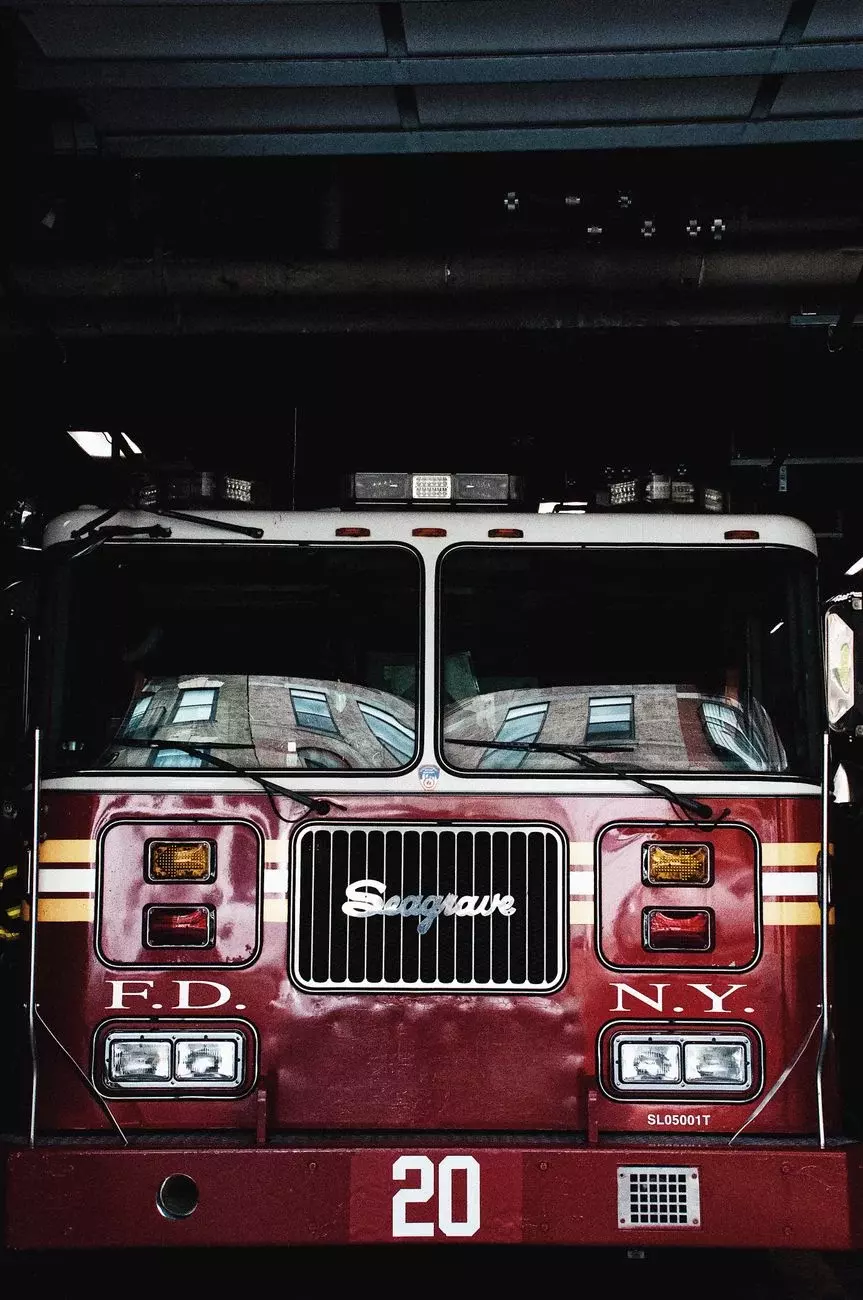
FDNY firefighters 9/11 heroism is more than a historic headline—it’s a lived story of arrival, decisions made in seconds, and an aftermath that still shapes who many responders became. In this article, you’ll learn what FDNY members describe about the first hours at Ground Zero, how rescue work changed them long after the smoke cleared, and why responder health support remains a critical part of the legacy. You’ll also get practical ways to honor first responders today—grounded in established public-health guidance and the realities responders report.
Key Takeaways
- FDNY members consistently describe Ground Zero as a test of teamwork, command decisions, and relentless duty under extreme conditions.
- The
Frequently Asked Questions
What do FDNY firefighters say about the first hours at Ground Zero that goes beyond the headline?
Many FDNY members describe Ground Zero as a sequence of split-second arrivals and decisions made under extreme uncertainty. Beyond dramatic moments, they emphasize how quickly roles had to be coordinated, how command structures guided action, and how teamwork determined survival and rescue outcomes. The story is less about a single act of heroism and more about continuous, disciplined duty.
How did command and teamwork affect rescue work during the most chaotic moments?
Responders consistently point to teamwork and command decisions as the difference between confusion and coordinated rescue. In an environment with limited visibility, shifting hazards, and constant changes on the ground, leadership and communication helped crews adapt their priorities—who to move, when to move, and where to focus. FDNY members highlight that the system worked because people followed it together.
What does “aftermath” mean in this article, and how did it shape firefighters long after the smoke cleared?
The aftermath includes both the immediate emotional toll and long-term health and career impacts. The article frames how rescue efforts influenced who many responders became—through physical strain, ongoing monitoring, and the psychological weight of what they witnessed. Health support is presented as part of the legacy, because the consequences of 9/11 did not stop when operations ended.
Why is responder health support described as a critical part of the legacy?
Because the risks faced during the response can have lasting effects. The article highlights that honoring first responders isn’t only about remembrance—it also involves ensuring guidance and support reflect real health needs. Public-health recommendations matter because they help connect affected individuals with appropriate monitoring, resources, and care rather than leaving legacy to symbolism alone.
What are practical ways to honor first responders today that align with established public-health guidance?
The article suggests honoring first responders by taking remembrance actions that respect public-health realities—such as supporting credible organizations, following official guidance for events or memorial activities, and encouraging resources that address responder health needs. Instead of purely symbolic gestures, it emphasizes actions tied to ongoing support, informed by guidance from health authorities and the lived experiences of responders.