
You’re going to learn how Ground Zero hazardous cleanup worked when debris had collapsed into underground basements—what made the work so dangerous, how crews managed risks in confined spaces, and which safety principles still guide debris-remediation today. Drawing from the reporting described in the 60 Minutes archive, this article breaks down the realities of underground structural instability, toxic dust exposure, and the operational choreography required to keep responders moving without losing situational awareness. If you’re curious about the
Frequently Asked Questions
What made underground cleanup at Ground Zero uniquely dangerous compared with surface work?
Underground areas increased risk because debris had collapsed into basements and voids, creating hidden structural instability and unpredictable movement. Crews also faced higher concentrations of fine particulates that settled in low spaces, plus limited egress routes. Conditions could shift quickly as material was disturbed, so responders had to treat each entry as potentially changing terrain.
How did teams manage toxic dust exposure in confined underground spaces?
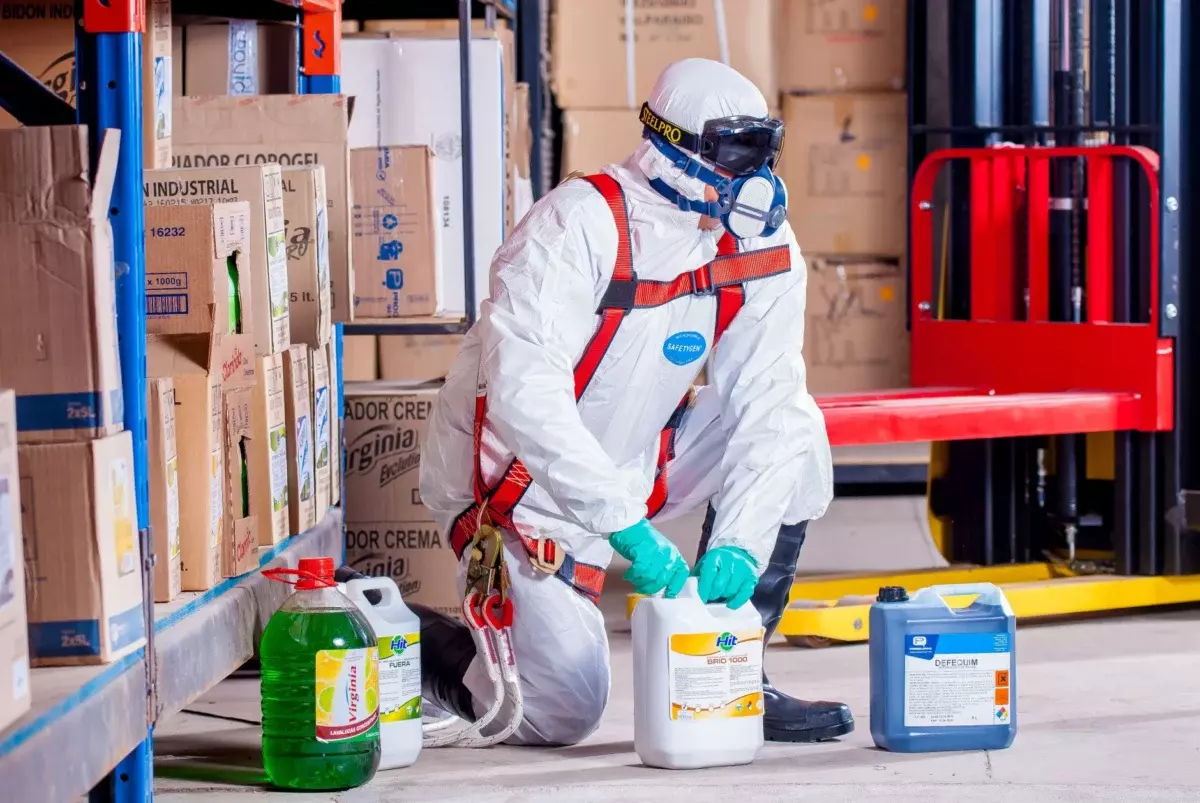
In confined spaces, dust could accumulate faster and remain suspended longer, making exposure control more complex. Crews relied on layered protection and continuous operational controls—such as using appropriate respiratory protection, controlling how debris was handled to limit aerosolization, and monitoring conditions during work. They also adjusted work patterns to reduce the time people spent in the most hazardous zones.
What operational steps helped prevent structural collapse while removing debris below street level?
Safety depended on coordinating removal with an understanding of how underground elements had been damaged. Teams followed controlled sequencing—moving from safer access points while watching for signs of shifting loads or worsening instability. They used barriers and limited access to keep personnel out of areas likely to fail. Continuous assessment helped ensure work stopped or changed when conditions demanded it.
How did responders keep situational awareness when visibility and escape routes were limited?
Underground work required tight communication and a clear “operational choreography.” Crews had to maintain knowledge of who was where, what was being moved, and what the next steps were. Because visibility and pathways can be restricted, teams used structured entry/exit routines, assigned roles, and controlled movement so that nobody became separated from the team during changing conditions.
Which safety principles from that hazardous cleanup still influence debris remediation today?
Many modern approaches trace back to core principles used during the cleanup: hazard identification before entry, strict control of access zones, layered personal protection, continuous risk reassessment, and disciplined task sequencing. The emphasis on minimizing dust generation, preventing exposure in confined spaces, and maintaining coordination/communication remains a standard for debris remediation where structural instability and toxic materials overlap.