
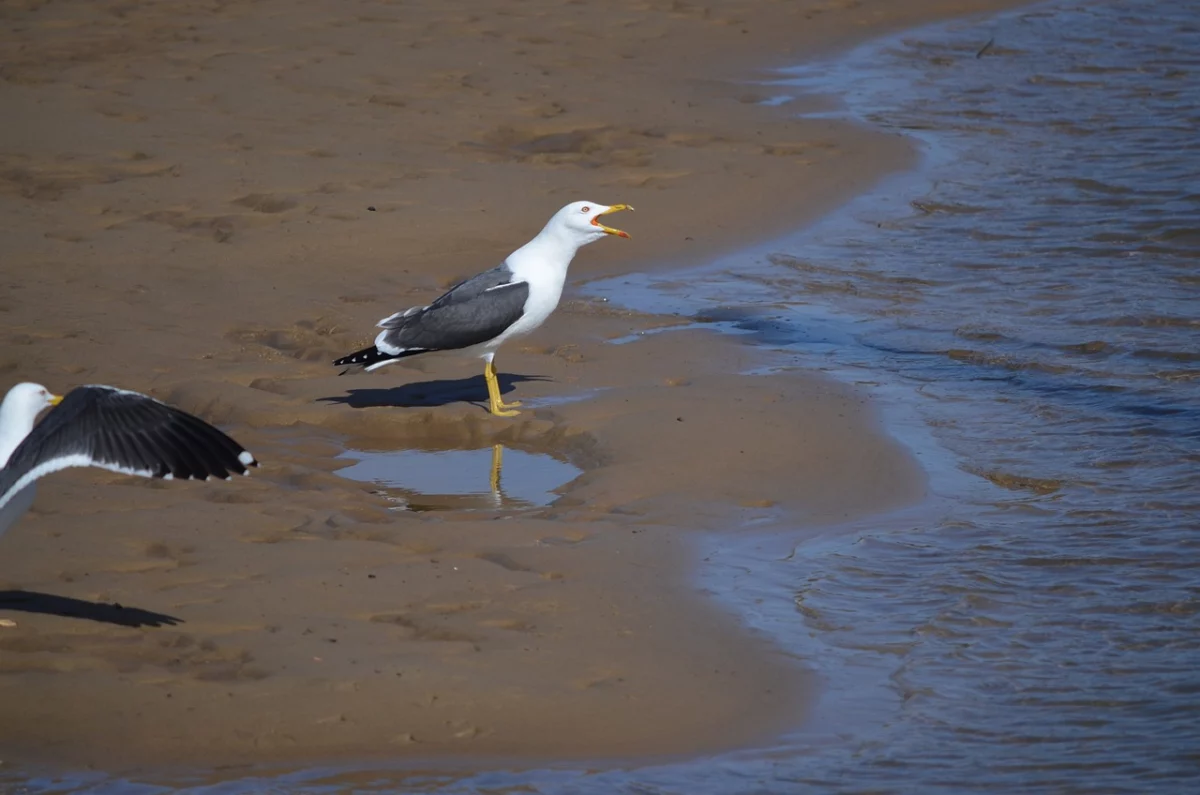
If you’re planning to explore England’s windswept east, few places reward curiosity the way Norfolk England travel guide readers do. The county’s appeal isn’t just scenery; it’s how coastal weather, tidal ecology, and human history collide in a landscape that changes day to day. This analysis is written for people who don’t want a glossy list—they want to understand what‘s real, what’s overrated, and how to plan an itinerary that actually works in wind, mud, and sudden rain.
Norfolk England Travel Guide: Windswept East, Beaches, Broads Routes, and Real-World Planning
Norfolk is marketed as
Frequently Asked Questions
Is Norfolk really that unpredictable weather-wise, and how should it affect my day plan?
Norfolk’s “windswept east” reputation is real. Sea breezes, sudden showers, and low visibility can change quickly, especially on exposed coasts. Build flexibility: start with the most weather-dependent activity early, keep a wet-day option (towns, museums, visitor centers), and check live forecasts before committing to long coastal walks or boat-style routes.
How do tides impact beaches and coastal walks in Norfolk?
Tides can make the difference between an easy shoreline stroll and a risky scramble. Some routes expose mudflats at low tide and become impassable—or dangerous—when water returns. Plan around tide times, wear footwear suitable for wet ground, and avoid crossing areas that look “close” on a map but can flood fast.
What’s the best way to plan Broads routes if I’m not sure about distances and conditions?
The Norfolk Broads reward planning, not guessing. Routes can feel short on paper but take longer with wind, locks, and shoreline bends. Decide whether you want a relaxed sightseeing pace or a longer “through route,” then add buffer time for slower navigation and waiting. If you’re hiring a boat, ask about local conditions and any recommended turnaround points.
Are there common “overrated” expectations tourists have about Norfolk’s beaches?
A glossy guide can imply sand is always clean, flat, and easy to walk. In practice, you may find shingle sections, muddy edges, and uneven terrain—especially after rain. The “best” experience is often seasonal: fewer crowds, golden light, and wildlife viewing. Treat beaches as landscapes to explore, not just background scenery.
What should I pack specifically for Norfolk’s coastal and wetland conditions?
Pack for mud, wind, and sudden rain: waterproof outerwear, quick-dry layers, waterproof footwear with decent grip, and a bag that can handle wet gear. Bring a small towel or wipes for salty spray and sandy hands. If you’re doing tidal or wetland walks, consider trekking poles and a light head covering for windy exposed areas.