
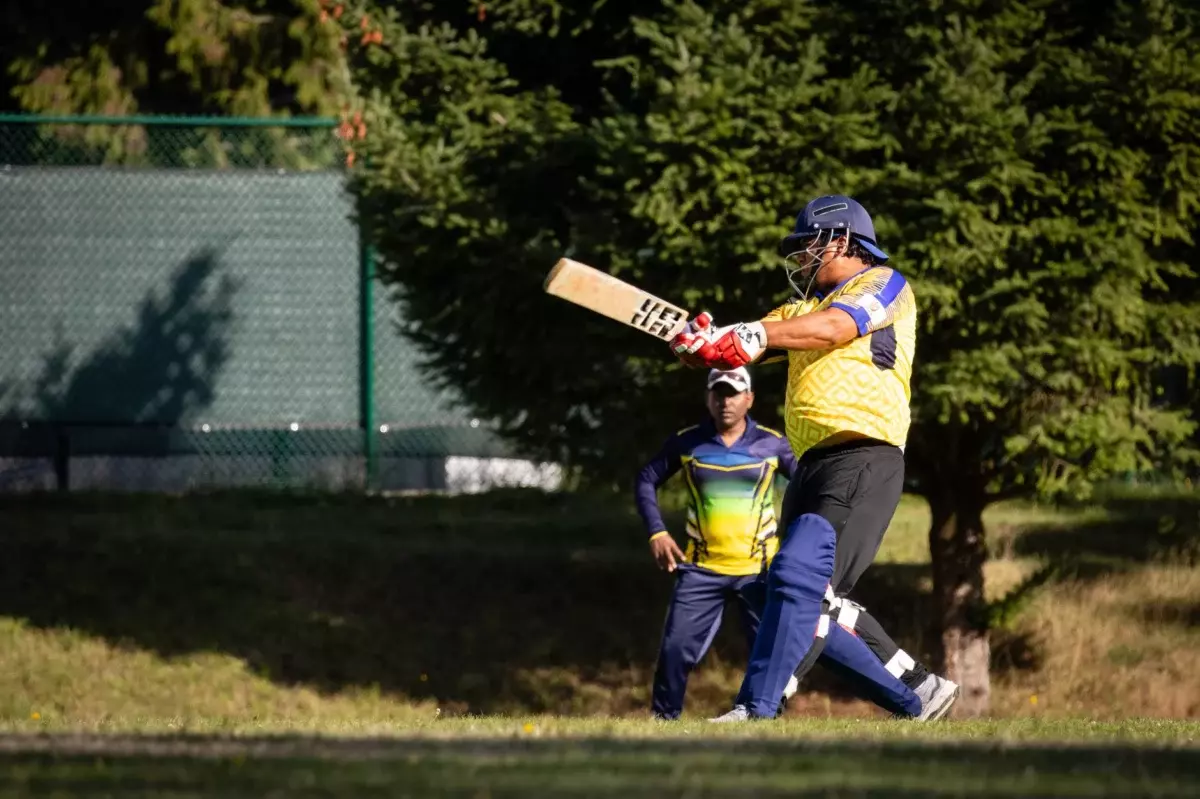
When rain wrecks a cricket day, the match stops being a slow conversation and becomes a negotiation: time, pitch moisture, field settings, and target math all change at once. This guide dissects rain-interrupted Test match batting strategy with a critical lens—what works, what fails, and why batters who adjust fastest (the kind of opportunity a player like Lawrence represents at Lord’s) often look
Frequently Asked Questions
How does a rain delay change the priorities of a batter in a Test match at Lord’s?
After rain, the pitch can swing from dry-grip to soft-and-slow, and ball movement often becomes less predictable. That means batters must stop relying on a single plan and re-check basics: shot selection by pace off the pitch, timing versus late swing, and the risk of mistimed drives. Quick mental resets matter as much as technical adjustments.
When overs are reduced, should a batter shift into “limited-overs mode” immediately?
Not blindly. The fastest adjustment is to switch from purely wicket-protection to wicket-plus-rate management. Batters look at the new target math (often via DLS in rain-affected scenarios), then pick a tempo that keeps scoring sustainable while avoiding easy “chase shots” that collapse innings if the game compresses suddenly.
What are the biggest dangers for batters when the match resumes after rain?
Common traps include overcommitting to early-foot timing, assuming the ball will behave like it did pre-rain, and attacking without confirming the pitch’s pace off the ground. Moisture can also make edges carry differently. In short, batters must respect uncertainty: smaller initial risks, better defensive alignment, and only then escalate if conditions reward it.
How should a batter manage risk if the field changes due to time pressure?
Rain-altered circumstances often bring tighter ring fields or more attacking catching positions. The best response is not just “hit more,” but choose safer gaps first and use strike rotation to reduce dot balls. Batters should map boundaries: where cover drives are safe, whether square leg slows down, and which deliveries force awkward cross-bat contact.
What does a “Lawrence-like” opportunistic approach look like in a rain-interrupted restart?
It typically means reading the bowler’s immediate intent and the pitch’s first few deliveries, then taking advantage of small windows—singles into twos, then targeted boundary attempts when the field is briefly vulnerable. Rather than chasing every ball, a batter waits for the easiest scoring opportunity, raises intensity gradually, and preserves wicket security when the risk-to-reward worsens.
Is it better to go all-in on one partnership or play for multiple batting phases after rain?
After rain, innings success usually comes from phase management. A batter should protect the start of the restart, accelerate during periods where bowlers are overcorrecting to the moisture, and then stabilize if conditions re-evaluate mid-spell. Relying on only one “hero phase” can backfire if wickets fall when the match recalibrates again.