
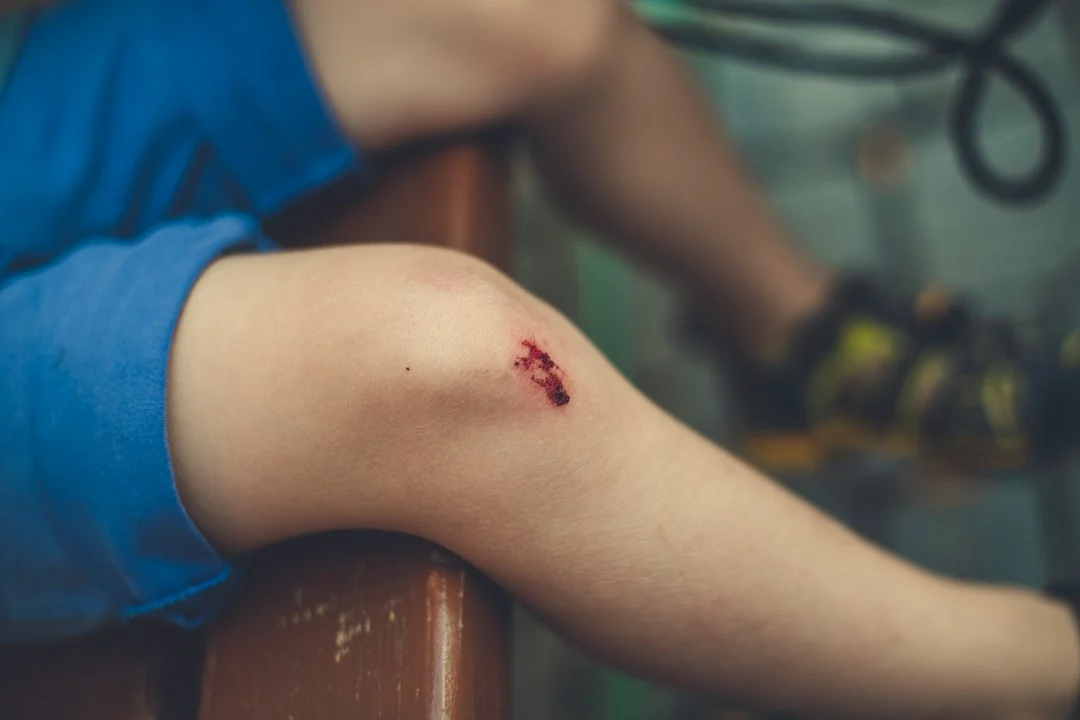
A bruise that is still visible two months after elbow surgery is not automatically proof of a major failure, but it is not something to shrug off either. In the case of Arslanbek Makhmudov, the report centers on a simple but serious question: if the mark is still there, what does that say about elbow surgery recovery? The Tyson Fury connection gives the story media value, yet the medical issue stands apart from the headlines. For a fighter built on boxing and the demands of professional boxing, a lingering bruise is not cosmetic. It is a signal that healing, function, and return-to-load decisions deserve closer scrutiny, especially when sports medicine is supposed to separate appearance from readiness.
What the report actually tells us
The strongest point in the story is also the most easily distorted: Makhmudov says the doctor made a mistake, and the bruise is the visible evidence he points to. That is a claim, not a diagnosis. In surgery and particularly orthopedic surgery, a poor outcome can come from several different stages of care. The error may be technical, the problem may be a postoperative complication, or the bruise may reflect delayed tissue healing rather than malpractice. The public rarely sees the operative notes, follow-up assessments, or imaging. So the bruise is evidence of a problem, but not yet evidence of the exact cause.
The visual severity of a bruise is a poor proxy for the seriousness of a surgical outcome.
That distinction matters. A large, ugly mark can be nothing more than slow resorption of blood in the tissue. It can also be a sign of deeper bleeding, repeated trauma, or inflammation that never settled. But it cannot, by itself, tell us whether the issue is a surgeon’s error, the body’s response, or the athlete’s own attempt to resume activity too soon.
Elbow surgery recovery is not the same as looking healed
People often treat bruising as a cosmetic timer: if the skin looks normal again, the problem is over. That is not how healing works. A bruise is blood that has escaped into tissue and is being broken down by the body. A deeper hematoma is slower to clear because the blood sits in a collection rather than diffusing evenly. The elbow is especially inconvenient terrain for healing because it bends constantly, gets bumped easily, and has relatively little padding compared with the thigh or calf. Add repeated training stress, and the discoloration can linger.
That lingering color may also sit alongside inflammation, scar formation, or swelling around the incision. In other words, the bruise is only one layer of the recovery picture. The more important question is whether the joint is improving in function. Is range of motion getting better? Is pain decreasing? Is the athlete able to load the arm without a flare-up? In recovery terms, those questions matter more than the shade of purple in a photograph.
Normal healing versus red flags
A practical way to read a two-month bruise is to compare it with the symptoms that surround it.
| Finding | More likely explanation | Why it matters |
|---|---|---|
| Bruise gradually fading | Expected tissue healing | Usually consistent with recovery |
| Bruise unchanged after weeks | Residual hematoma or repeated micro-trauma | Needs reassessment |
| Increasing pain, heat, or swelling | Possible infection or re-bleed | Potentially urgent |
| Numbness or weakness | Nerve irritation or compression | Should be examined |
| Drainage or fever | Possible infection | Immediate medical review |
This is where the language of certainty becomes dangerous. If the only visible sign is a bruise, the public is tempted to label the case dramatic. But if the bruise is accompanied by stable function and gradual improvement, the image is less alarming than it looks. If it is accompanied by worsening pain or restricted movement, the image may be understating the real issue.
Why the elbow is unforgiving in boxing
The elbow is not a trivial joint in combat sports. It is part of a kinetic chain that turns hip rotation, shoulder alignment, and forearm stability into punching force. In athletes, especially fighters, an elbow problem is never just about the elbow. It affects jab speed, punch extension, clinch work, and the ability to absorb impact when a shot lands awkwardly. That is why a seemingly simple bruise can be more consequential than it appears.
For fighters, physical therapy and staged wound healing are not optional extras; they are the path back to usable performance. A fighter may be
Frequently Asked Questions
If a bruise is still visible two months after elbow surgery, does that automatically mean the operation failed?
No. A lingering bruise can reflect slow blood resorption, a deeper hematoma, repeated minor trauma, or delayed healing in a joint that moves and gets bumped easily. It may signal a problem, but it does not prove surgical failure or malpractice on its own. The broader clinical picture matters more than the color of the skin.
Why is a visible bruise a poor way to judge whether elbow surgery recovery is going well?
Because appearance and function do not always match. A bruise may look severe while the underlying tissue is improving, or it may fade while pain, swelling, or stiffness persist. In recovery, doctors care more about range of motion, strength, pain levels, and whether symptoms worsen with activity than about how the bruise looks.
What symptoms would make a lingering bruise after elbow surgery more concerning?
Worsening pain, increasing heat, swelling that does not settle, numbness, weakness, drainage, or fever are more concerning than the bruise itself. Those signs can suggest infection, re-bleeding, nerve irritation, or another complication. A bruise that stays visible but slowly fades is usually less alarming than one that comes with deteriorating function.
Why does the elbow tend to heal more slowly or look worse than other body parts after surgery?
The elbow is constantly bending, sits close to the skin, and has little soft tissue cushioning it. That makes it easier for bruising, swelling, and irritation to linger. In athletes, training stress and accidental bumps can also keep the area inflamed longer, even if the surgery itself was technically successful.
Could an athlete make a bruise last longer by returning to training too soon?
Yes. Early loading, contact, or repetitive movement can reopen small vessels, worsen inflammation, or keep a hematoma from clearing properly. In boxing, the elbow is part of a force chain that gets stressed every session, so returning too quickly can prolong visible discoloration and delay functional recovery even without a major surgical complication.