
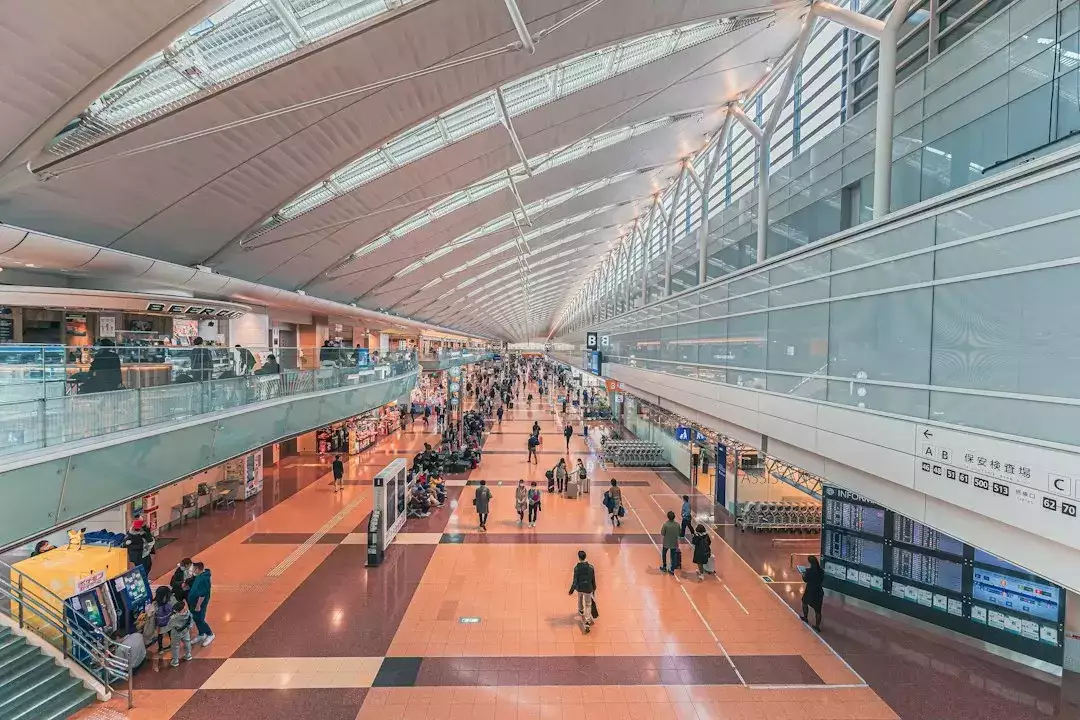
Airport strike flight cancellations expose a basic truth about airport operations: the system runs on coordination, not just aircraft and pilots. When a strike action hits ground handling, the disruption spreads through baggage, boarding, turnaround timing, and departure sequencing almost immediately. In the latest European disruption, the airport said only about half of the flights handled by Alyzia would operate as planned, with roughly 140 flights removed from schedules. That is not a minor delay story. It is a capacity failure. It also explains why a single service shutdown can hit carriers as different as Brussels Airlines, ITA Airways, Air Arabia, and United Airlines.
The practical lesson is simple. Modern civil aviation is efficient because it is tightly chained together. That same efficiency makes it brittle when one shared operator, one workforce, or one terminal process falls out of rhythm. In a hub airport, where many carriers depend on the same infrastructure, the network effect is stronger than most passengers assume.
Why a ground-handling strike spreads faster than passengers expect
A strike inside an airport is not the same as a single flight delay. A delayed aircraft can often be recovered later in the day. A disrupted handling operation can cripple the day from the first departure wave onward. Handlers manage the tasks that most passengers never see: loading bags, coordinating stands, marshalling aircraft, preparing dispatch paperwork, and supporting the timing that keeps the entire schedule moving. When that work slows, the airport cannot simply substitute time for labor.
That is why the news about Alyzia matters. A airline does not control every part of its own turnaround. In practice, carriers buy access to a shared operating layer. If that layer is affected, the airline’s brand is visible at the gate, but the bottleneck sits elsewhere. This is one reason the same strike can disrupt legacy carriers, long-haul operators, and low-cost networks at the same time.
The bottleneck problem inside a hub airport
The modern hub and spoke model depends on tight sequencing. A missed baggage transfer or a late pushback can break onward connections, consume crew duty limits, and force aircraft to miss their next slot. At that point, the problem is no longer local. It becomes a chain reaction across the morning or evening bank of departures.
That is why airports and airlines plan for the smallest operational margin they think they can get away with. In normal conditions, it looks efficient. During industrial action, it looks fragile. This is the central tension in aviation: reliability is often purchased by removing slack.
Why half-capacity is a warning sign
When an airport says only half of the flights handled by one provider will operate as planned, the number is more important than it first appears. It suggests that the problem is not isolated to one stand or one route. It also suggests that the airport has hit a hard limit on how much of the disrupted workload can be absorbed by the remaining staff and systems.
For passengers, that means uncertainty is not confined to the cancelled flight. A morning cancellation can affect a return sector, a connection, or even a later rotation operated by the same aircraft. For airlines, the warning is sharper still: once recovery options narrow, disruption becomes expensive fast. Extra hotel nights, reaccommodation, customer support, and missed connections all accumulate while the original cause remains outside the carrier’s direct control.
Why the named airlines are exposed differently
The fact that the disruption hits several carriers at once is not accidental. Shared ground services create shared vulnerability. The affected airlines use different business models and serve different passenger profiles, but they are all dependent on the same operational infrastructure at the airport.
That matters because passengers often assume the airline they booked with is solely responsible for everything that goes wrong. In reality, a dispute at one service provider can ripple across the whole airport ecosystem. A passenger flying with Brussels Airlines may feel the disruption differently from someone on United Airlines, but the operational cause can be identical. The same is true for ITA Airways and Air Arabia, even though their route networks and customer expectations are not the same.
The deeper issue is concentration risk. When airport services are heavily outsourced, one dispute can become a system-wide event. Airlines like outsourcing because it reduces fixed costs. Airports like it because it simplifies staffing models. Passengers, however, experience the downside first: a shared dependency means shared disruption.
Passenger rights are useful, but they are not automatic
Travelers hit by cancellations should think in layers. First comes the immediate operational response: refund, rerouting, meals, care, and in some cases accommodation. Then comes the compensation question, which is more complex. Under the European framework commonly discussed through Regulation (EC) No 261/2004, the exact outcome depends on the reason for the cancellation, the notice given, and whether the event is treated as within the airline’s control.
The official starting point is the European Commission’s air passenger rights page. Passengers should not assume that every strike produces the same legal result. A work stoppage by an airline’s own staff can be treated differently from a strike by an external airport contractor. Even then, the legal answer is not the same as the practical answer. Whatever the compensation outcome, airlines still have a duty to inform passengers clearly and to offer the options required by the rules.
| Problem | What it usually means | Best immediate move |
|---|---|---|
| Flight cancelled before departure | You may be entitled to a refund or rerouting | Contact the airline immediately and keep written confirmation |
| Long delay at the airport | Duty of care may apply depending on the route and timing | Save receipts for meals and essentials |
| Baggage disruption | Checked bags may arrive late or be rerouted separately | Photograph bag tags and report the issue before leaving the terminal |
That table matters because many passengers focus only on the ticket price. In a disruption, the real costs are often time, missed meetings, onward transport, and the stress of trying to recover from a chain failure with incomplete information.
What passengers should do before going to the airport
The best response to airport strike flight cancellations is not panic. It is sequence and documentation. Check the airline app, then the airport departure board, then the booking confirmation. If your flight is still listed, do not assume it will survive the next operational update. If you have a connection, ask about the full itinerary, not just the first sector. In a network disruption, the first flight is only part of the story.
There are also small operational choices that make a real difference:
- Carry medicine, chargers, and one change of clothes in your hand luggage.
- Keep all travel documents accessible, not buried in a checked bag.
- Use screenshots or saved emails to document schedule changes.
- Ask whether you are being rebooked on the earliest workable option, not just the next same-day departure.
- If you are buying a replacement ticket yourself, confirm the airline’s policy before spending money.
Passengers should also consider travel insurance, but carefully. Insurance can help with ancillary costs, yet policies vary widely in what they exclude. A policy that looks generous in marketing copy may be narrow once a strike or operational disruption is involved.
Why this kind of strike keeps happening in aviation
The aviation sector has spent decades optimizing around punctuality, asset utilization, and labor efficiency. That creates a paradox. The more efficient the system becomes, the less room it has to absorb human conflict. A dispute over pay, shifts, or conditions can therefore produce outsized operational damage because the system has deliberately been built with little slack.
This is also why strikes at airports draw outsized attention compared with many other industries. Aviation is not just another service sector. It is a live coordination problem involving the airline, the airport, the handler, security, air traffic control, and the passenger. When one layer breaks, the cost is visible immediately. That visibility turns labor disputes into public tests of resilience.
There is another reason the impact is so broad: airport labor is often less visible than airline labor, but it can be just as essential. A pilot strike gets the headlines. A ground handler strike gets the operational pain. Passengers may not see the workforce, but they feel the absence within minutes.
What this disruption says about the future of airport operations
The next few years are unlikely to eliminate this kind of disruption. If anything, the pressure points are likely to become clearer. Airports will keep outsourcing specialized work because the cost advantage is real. Airlines will keep demanding tighter turnaround times because their business models depend on them. Workers will keep using industrial action when bargaining fails. That is not a temporary imbalance; it is the structure of the market.
What may change is the tolerance for single-point failure. Airports and airlines may push harder for backup staffing, more robust contingency contracts, better real-time communication, and more explicit service-level commitments from handlers. Regulators may also become more focused on how well carriers communicate during disruptions, especially when passengers are left to infer the cause from incomplete airport notices.
In that sense, the strike is a preview of the next aviation debate. The key question is not whether labor disputes will continue. They will. The real question is whether European aviation wants maximum efficiency at the cost of repeated fragility, or whether it is willing to pay for reserve capacity that can absorb a predictable shock without collapsing the day.
Frequently asked questions
Will I get compensation if my flight was cancelled because of an airport strike?
Not automatically. In the EU, the result depends on the cause of the cancellation, how the airline handled it, and whether the event falls within the compensation rules. You should still expect clear rerouting or refund options, and you should keep written evidence of all notifications.
What should I do if I am already at the airport?
Go to the airline service desk, contact support through the app, and keep every receipt. If the strike is affecting handling at the airport, gate staff may not be able to solve it locally. Ask for the earliest workable reroute and confirm any hotel or meal support in writing.
Why do ground handling strikes affect several airlines at once?
Because handlers often serve multiple carriers in the same terminal or hub. When one shared workforce slows down, the bottleneck affects every airline that depends on it. That shared dependency is what turns one labor dispute into a wider airport disruption.
The real issue to watch next
The most important insight is not that flights were cancelled. It is that the aviation system still depends on narrow operational margins that leave little room for labor disruption, staffing shortages, or bad timing. A strike exposes that weakness quickly, but the weakness is there even on quiet days.
Watch how airlines and airports respond after the strike ends. If they only reset schedules and move on, the same problem will return the next time a handler, union, or contractor walks out. If they start building redundancy into ground operations, the system becomes more resilient, but also more expensive. That trade-off is unavoidable. The unanswered question is how much failure European passengers are expected to absorb before efficiency stops looking like progress and starts looking like risk.
Frequently Asked Questions
Why can a ground-handling strike cancel flights for airlines that did not start the strike?
Because ground handlers support shared airport functions such as baggage loading, pushback, boarding, and turnaround timing. Airlines may operate different routes and cabin products, but at a hub they often depend on the same local service provider. If that operational layer slows down, every carrier using it can be hit at once, regardless of who owns the aircraft.
If my flight is only delayed and not cancelled, can the strike still affect my onward connection?
Yes. Even a short delay can break the sequence of a hub schedule. A late arrival may cause a missed connection, crew duty-limit issues, or the aircraft missing its next slot. During a strike, the damage often spreads beyond the first affected flight and can ripple through later departures the same day.
Why can’t the airport simply replace striking workers or use backup staff?
In theory that sounds simple, but airport operations rely on trained, accredited staff who can access restricted areas and perform specific safety-critical tasks. There is usually limited spare capacity, and moving people around is not instant. When industrial action hits, the airport may not have enough qualified labor to keep the normal pace of turnarounds.
Does a plan to operate only about half of the scheduled flights mean the disruption is under control?
Not necessarily. It usually means the airport has reached a hard limit on how much of the workload it can absorb with the staff and systems still available. That cuts the immediate risk of total collapse, but it also signals serious disruption, because the remaining flights are being squeezed into a much tighter operating window.
Are connecting passengers more exposed than people starting their trip at the airport?
Often, yes. Connecting passengers depend on the first flight arriving on time and on baggage moving correctly between aircraft. A strike makes that chain more fragile. If one leg slips, the next leg can be lost even if it was not directly affected. Hub airports are especially sensitive because many itineraries depend on tight transfer windows.