
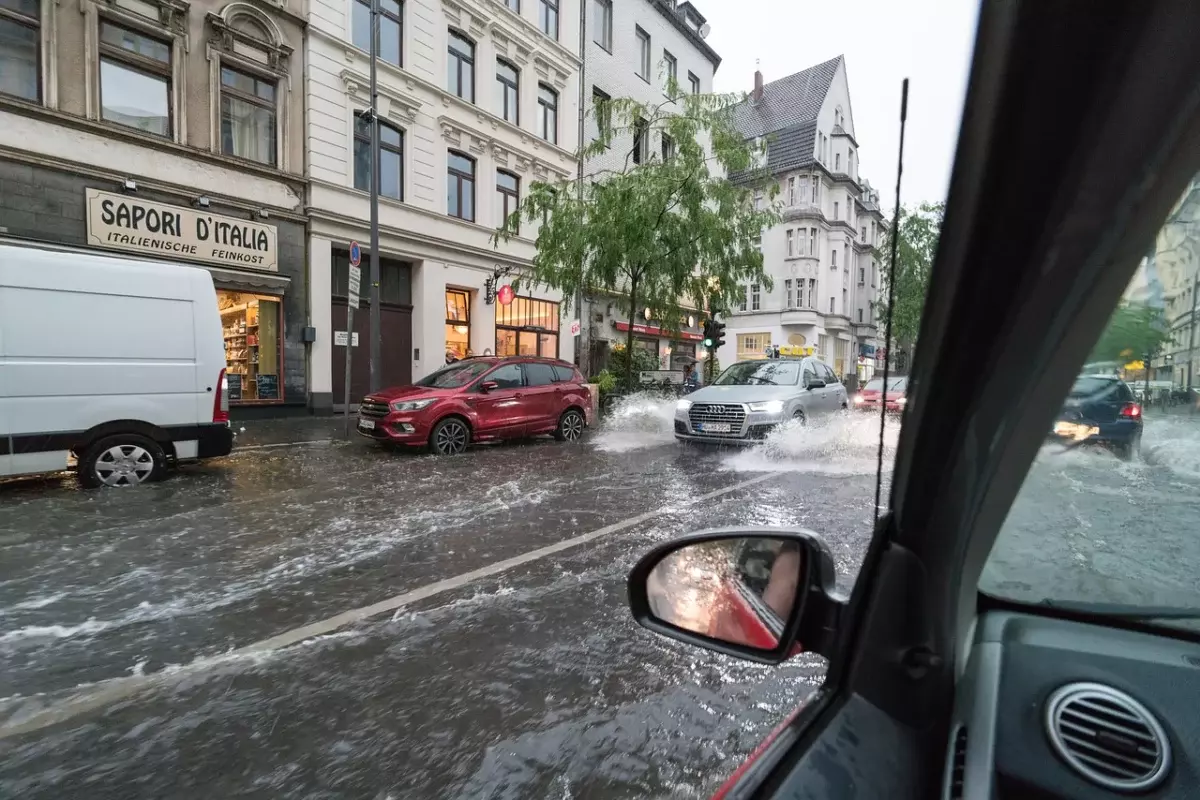
Edouard disaster declaration in Texas is a reminder that even when a tropical system weakens, its impacts can still be severe—especially when it dumps heavy rain and saturates already-unstable soils. In this article, you’ll learn what happened as Edouard moved ashore and weakened into a tropical depression, what a Texas disaster declaration typically unlocks for residents and local governments, and how to use reliable forecasts to decide what to do next. You’ll also get practical, evidence-backed preparedness steps tailored to common depression-era hazards like flash flooding and hazardous road conditions.
- Edouard weakened from a tropical storm to a tropical depression, but it still triggered disaster declarations in parts of Texas.
- Disaster declarations help coordinate resources and may open pathways for recovery assistance.
- Forecast confidence matters: track rainfall totals and flood advisories, not just storm
Frequently Asked Questions
If Edouard weakened to a tropical depression, why were disaster declarations still issued in Texas?
Tropical systems can weaken in wind but still produce dangerous rainfall. A tropical depression can dump heavy rain over a region where soils are already saturated, leading to flash flooding, fast-rising rivers, and hazardous road conditions. The key risk is often water and ground saturation, not storm intensity alone.
What does a Texas disaster declaration typically unlock for residents and local governments?
A Texas disaster declaration can help coordinate emergency response across agencies, streamline access to resources, and create pathways for recovery assistance. For residents, it may translate into faster implementation of protective measures and support programs after damage. For local governments, it often improves logistics and funding coordination to address urgent needs.
What should I track in forecasts—storm track, wind, or rainfall—and why?
Track rainfall totals, flood advisories, and related warnings, not just the storm track or wind forecasts. A system may shift away from you while still leaving you with enough rain to cause flooding. Rainfall forecasts and flooding statements indicate where impacts are most likely, especially where drainage is poor or soils are unstable.
How can I prepare specifically for depression-era hazards like flash flooding and dangerous roads?
Treat flash flooding and road hazards as primary threats: avoid driving through flooded or fast-moving water, and watch for washed-out roadways even after the rain eases. Clear drains when safe, secure outdoor items, and plan routes that avoid low-lying areas. Have a way to receive updates since conditions can change quickly.
How do I know whether the risk is local flooding versus widespread storm impacts?
Use localized indicators: flood advisories and short-fuse warnings, reports of rising water, and rainfall intensity in your immediate area. If advisories mention creeks, urban flooding, or specific corridors, the danger can be highly concentrated. That’s why two neighborhoods can experience very different outcomes even under the same broader storm forecast.