
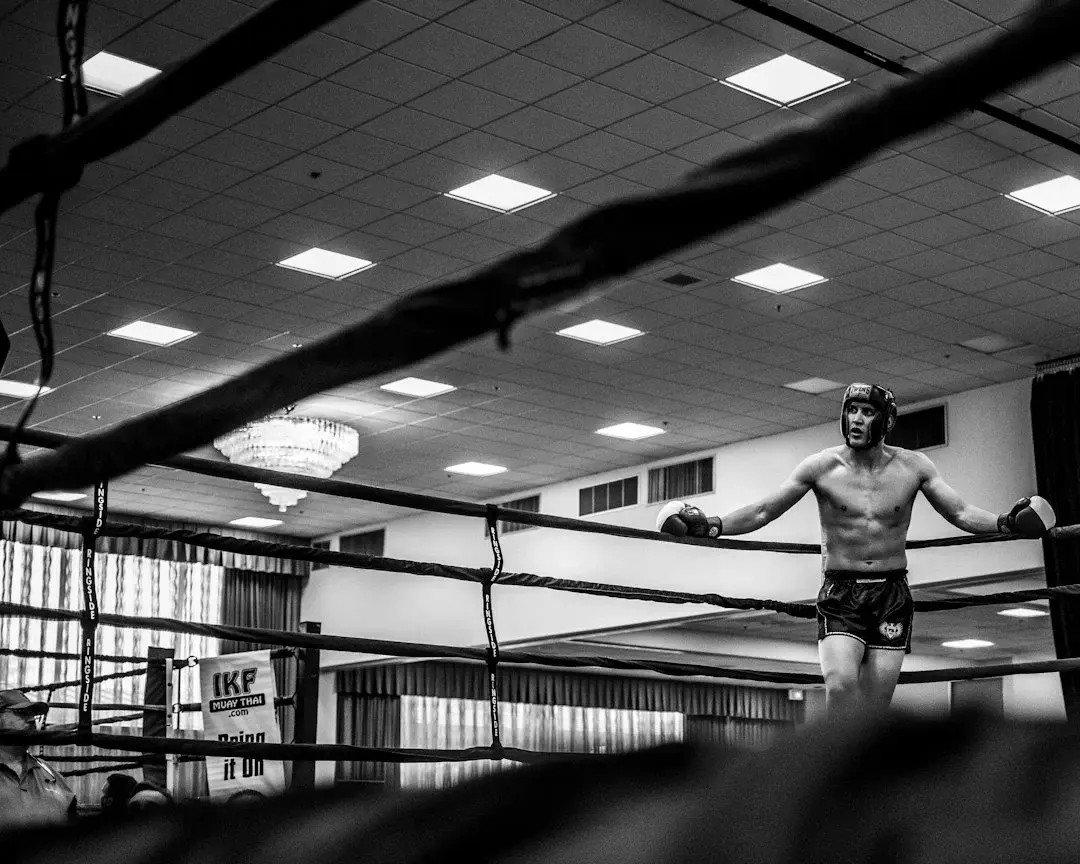
Daniel Dubois vs Fabio Wardley ended in the kind of abrupt, damaging fashion that instantly resets a division’s conversation. In two rounds, Dubois retained his world title and reminded British boxing that elite heavyweight fights can turn on one clean sequence, one moment of timing, and one fighter’s ability to impose himself before the contest becomes a longer technical puzzle. For readers looking beyond the result line, the real story is what the stoppage says about Dubois’ development, Wardley’s ceiling, and the wider shape of the heavyweight division.
The outcome also matters because heavyweight boxing rarely produces clean hierarchies. The category has long been defined by shifting reputations, sudden upsets, and titles that can move quickly between contenders. In the language of boxing, the most dangerous fighter is often not the most celebrated one, but the one who can turn pressure into panic. On this night, Dubois did exactly that.
Why this fight mattered before the opening bell
There was more at stake here than a single belt. Dubois entered as the established champion under the World Boxing Organization banner, while Wardley came in as a hungry challenger trying to move from domestic relevance to genuine world-level standing. That dynamic made the fight a test of status as much as skill: was Dubois simply a powerful titleholder, or was he becoming the leading British heavyweight?
Wardley’s appeal was obvious. He had built a reputation as a dangerous, physically committed fighter with the sort of confidence that makes heavyweights uncomfortable. Dubois, by contrast, arrived with a very different narrative: enormous natural strength, real finishing power, but also a career that has often been judged through the lens of whether he could fully trust his own engine under elite pressure. That is why this particular matchup was so revealing. It was not only a title fight; it was a referendum on how each man handles the moment when the pace becomes dangerous.
British heavyweight boxing has historically thrived on that kind of internal rivalry. From the old-school era of big domestic showdowns to the modern, business-driven matchmaking of the professional era, the sport has often used local clashes to identify which fighter can survive on the world stage. A title fight between two British heavyweights at a major venue carries that tradition forward, whether it takes place at Wembley Stadium or elsewhere.
How Dubois took control so quickly
In fights like this, the decisive clue is rarely the final punch alone. It is the accumulation of small advantages that make the stoppage possible. Dubois used his size, timing, and direct punching to prevent Wardley from settling into the rhythm he needed. That matters because heavyweight power is most effective when it arrives before an opponent has fully calibrated distance and tempo.
The first-round message
The opening round was less about fireworks than about territorial control. Dubois did not need to throw with reckless volume. He needed to establish that any exchange would happen on his terms. That is often the hidden difference between a strong hitter and a championship-level puncher. A hard puncher can hurt someone when the opportunity appears; a championship-level puncher creates the opportunity.
Wardley’s challenge was to force the fight into a range where his own aggression could matter. But against a fighter who can punch straight and hard through the middle, pressure becomes risky. In heavyweight terms, one mistimed entry can change everything. That is one reason why analysts often talk about the difference between raw power and disciplined power: the former is exciting, the latter is what ends title fights.
The second-round finish
The second-round stoppage felt like the culmination of that early control rather than a random flash of violence. Dubois landed with enough authority to force a dramatic shift in Wardley’s balance and composure, and once a heavyweight’s defensive shape collapses, the fight can go from competitive to impossible in a heartbeat. The finish was consistent with the logic of technical knockout victories at the elite level: the referee is not just protecting a fighter from one punch, but from the cascade that follows when a fighter can no longer answer safely.
At heavyweight, the difference between danger and dominance is often a single exchange. Dubois made Wardley pay before the challenger could build a foothold.
That kind of result also reminds fans why the division stays so compelling. Heavyweights do not need long combinations to create drama. A single clean shot can overturn tactical assumptions, public reputation, and future matchups all at once. In that sense, Dubois’ stoppage was less a surprise than a demonstration of what elite power looks like when paired with correct timing.
What the result says about Daniel Dubois
For Dubois, the biggest takeaway is not merely that he won; it is how he won. There is a major difference between surviving a dangerous opponent and blowing him away early. The latter sends a message that a champion is not just protecting a title but expanding his authority. That distinction matters in the heavyweight division, where confidence is a competitive weapon and hesitation can alter a career trajectory.
Dubois has always possessed obvious physical gifts, but the most interesting part of his current phase is the suggestion that he is combining those gifts with a clearer tactical identity. Champions at this level do not need to box perfectly, but they do need to know what kind of danger they want to create. Dubois appears increasingly comfortable fighting behind direct, purposeful offense rather than waiting for an opponent to drift into range.
That is a meaningful shift because elite heavyweights are often judged less by how hard they punch than by whether they can sustain their strengths under pressure. A fighter can look devastating against smaller or less disciplined opponents and still be exposed by higher-level composure. Dubois’ two-round win over a credible challenger suggests he is becoming more than a puncher with a title; he is becoming a champion who can dictate the shape of the contest.
For context, that distinction has mattered for many champions across the history of heavyweight boxing. The division has rewarded fighters who can impose physical consequences early, but it has usually reserved lasting respect for those who can repeat that process against varied styles. This is why titleholders are constantly measured against the next difficult stylistic test rather than the last knockout.
What Fabio Wardley can take from the loss
Wardley’s defeat does not erase his value, but it does sharpen the questions around his game. A fighter with his profile often rises quickly because power and commitment are hard to solve in domestic and regional competition. At world level, however, the margins narrow. The same aggressive traits that create opportunities can also expose defensive gaps against a sharper, more authoritative puncher.
The obvious lesson for Wardley is that successful pressure must be layered. In modern professional boxing, especially in the heavyweight ranks, a fighter cannot rely on urgency alone. Entry patterns, head movement, range management, and the ability to reset after missing all become essential. Against a champion like Dubois, one mistimed approach can become the fight’s defining moment.
There is also a psychological dimension. Heavyweights often carry momentum as part of their brand, and a defeat like this can feel more severe because it interrupts not just a winning streak but a narrative of inevitability. Yet good challengers are often forged by these moments. If Wardley returns to the domestic scene and rebuilds with more technical discipline, the loss may end up clarifying the exact upgrades he needs to compete at the top end.
That path is familiar in British boxing, where many fighters use setbacks as a checkpoint rather than an endpoint. The crucial question is whether Wardley can preserve his physical confidence while tightening the structural parts of his game that elite opponents expose. A fighter who understands that balance can come back stronger; a fighter who ignores it usually remains trapped at the same level.
How this changes the British heavyweight picture
The British heavyweight landscape is always crowded with ambition, politics, and competing promotional interests. That is one reason the sport remains so compelling: the best fighters rarely wait in a straight line. A decisive win by Dubois therefore does more than confirm his title defense. It also strengthens his claim to be the key domestic reference point at heavyweight.
Promoters, sanctioning bodies, and broadcasters all react differently to a result like this. A dominant champion creates leverage for bigger unification conversations, mandatory-defense discussions, and high-profile domestic matchmaking. In the background are familiar heavyweight names, from established stars to emerging contenders, all of whom now have to react to the fact that Dubois has looked dangerous and efficient in a title defense rather than merely durable.
This is where the politics of the WBO matter. Sanctioning bodies shape the route to big fights, while promoters shape the commercial lane. Fighters such as Dubois need both momentum and timing to secure the most meaningful matchups. The better the performance, the more leverage he gains in those negotiations.
Names like Frank Warren and Queensberry Promotions naturally come into the conversation because heavyweight careers are rarely built in isolation. The machinery behind the scenes can determine whether a champion receives a unification bout, a voluntary defense, or a commercially attractive domestic clash. Dubois’ quick win gives that machinery a clearer commercial story to sell.
The tactical lessons trainers will notice
Boxing coaches often study stoppages more closely than fans do because they reveal structural lessons. This fight offered several. First, straight punching remains the most efficient way to punish a forward-moving heavyweight. Second, a fighter who wins the center of the ring early can force the other man to make riskier decisions. Third, the presence of genuine stopping power changes the opponent’s body language before it changes the scorecards.
Dubois also showed how important controlled aggression can be. Some heavyweights mistake pressure for volume, but volume without balance can leave openings. The better version is pressure that narrows a rival’s choices. Once Wardley had to think defensively first, his offense became less effective. That is the essence of elite heavyweight control.
There is a reason analysts continue to frame heavyweight fights in terms of knockout power and composure rather than just punch count. The division is not about winning small exchanges over 12 tidy rounds; it is about who can sustain danger when the other man is trying to do the same thing. Dubois answered that question emphatically.
What to watch next in the heavyweight division
The most important thing to monitor after a result like this is not the celebration, but the matchmaking. Can Dubois translate this performance into the kind of fight that further cements his status against the best available opposition? Can he reproduce this level of sharpness against a more elusive or more seasoned world-class rival? Those are the questions that decide whether a title defense becomes a defining chapter or just a headline.
There is also the wider issue of how the top of the division shifts when a champion looks this destructive. Heavyweight boxing often rewards momentum, and momentum attracts scrutiny. Every major contender now has a clearer benchmark: can they take the kind of pressure that Dubois applied here, or can they force him into a longer, more complicated fight? That is where future storylines will form.
For readers tracking the sport’s broader history, this is the kind of result that can quietly reshape a division. Not because one fight answers every question, but because it answers the most immediate one: Dubois is not merely surviving at the top level. He is capable of dismantling a credible challenger with startling speed. In a category that has always been measured by sudden impact, that is the kind of statement that demands a response.
Frequently asked questions
Was the stoppage of Fabio Wardley a surprise?
It was surprising in how quickly it arrived, but not in the sense that Dubois had the power to produce it. Heavyweights with elite punching ability can end fights suddenly, and Wardley’s style made the contest volatile from the start.
What does this result mean for Daniel Dubois’ future?
It strengthens his position as Britain’s leading heavyweight and increases his leverage for bigger fights. The key next step is whether he can repeat this level of control against an even higher-caliber opponent.
Can Fabio Wardley recover from this loss?
Yes, but the recovery has to be technical as much as physical. He will need to tighten defensive habits, improve his ring judgment, and turn this defeat into a learning point rather than a stylistic ceiling.
Why does a short heavyweight fight matter so much?
Because it reveals how power, timing, and composure interact under elite pressure. In heavyweight boxing, one decisive sequence can say more about a fighter’s level than a long, cautious points win.
The real question now is whether Dubois can turn this brutal efficiency into a longer reign rather than a single explosive night. If he can keep combining direct pressure with cleaner tactical control, he may become the kind of champion who does not just defend a title but redraws the expectations around it. The next phase of heavyweight boxing will test whether this was an isolated demolition or the clearest sign yet that a new standard is being set at the top of Britain’s most dangerous division.
Recommended internal coverage: heavyweight rankings, title unification scenarios, and the leading British heavyweight contenders.
Suggested image alt text: Daniel Dubois lands a decisive punch on Fabio Wardley during a heavyweight title fight.
Suggested image caption: Daniel Dubois retained his WBO heavyweight title with a second-round stoppage of Fabio Wardley.
Suggested image title: Dubois Stops Wardley in Heavyweight Title Fight
Suggested featured image concept: A dramatic ringside moment from a heavyweight championship bout, with the champion landing a clean finishing punch as the referee moves in.
Suggested source note: For official bout and sanctioning context, readers should also check the relevant championship and regulatory announcements from boxing authorities.
SEO DATA
Primary Focus Keyphrase: Daniel Dubois vs Fabio Wardley
Related Keyphrase 2: heavyweight title fight
Related Keyphrase 3: Dubois stopped Wardley in two rounds
Related Keyphrase 4: what does Daniel Dubois’ win over Fabio Wardley mean?
Related Keyphrase 5: British heavyweight boxing
Primary Keyphrase Synonyms:
Dubois-Wardley fight, Daniel Dubois fight, Fabio Wardley bout, heavyweight championship clash, British heavyweight showdown
SEO Title:
Daniel Dubois vs Fabio Wardley: What the Second-Round Stoppage Means
Meta Description:
Daniel Dubois vs Fabio Wardley analysis: how Dubois retained his title, what the stoppage revealed, and what comes next in heavyweight boxing.
URL Slug:
daniel-dubois-vs-fabio-wardley
Image Filename:
daniel-dubois-fabio-wardley-heavyweight-fight.jpg
Image ALT Text:
Daniel Dubois lands a decisive punch on Fabio Wardley during a heavyweight title fight
Image Title:
Dubois Stops Wardley in Heavyweight Title Fight
Image Caption:
Daniel Dubois retained his world title with a second-round stoppage of Fabio Wardley.
Search Intent:
Informational news analysis
Frequently Asked Questions
Why is the second-round stoppage more significant than a routine title defense?
Because it suggests Dubois did more than simply win; he imposed a style that collapsed Wardley’s game plan almost immediately. In heavyweight boxing, an early stoppage can indicate a meaningful gap in timing, composure, and finishing ability, not just physical power. That makes the result a statement about where Dubois sits among elite heavyweights.
Does this result prove Dubois is now the clear leading British heavyweight?
It strengthens that claim, but it does not settle it permanently. Beating a dangerous domestic rival in two rounds is a strong marker of status, especially when a title is on the line. Still, heavyweight rankings can change fast, so Dubois has reinforced his position rather than made it untouchable.
What does the loss mean for Fabio Wardley’s world-title ambitions?
It does not erase them, but it does expose the level he must still bridge. Wardley showed enough ambition to reach a world-title fight, yet this defeat suggests the top tier may still be a step above him in timing and defensive discipline. His future chances now depend on how he responds and what adjustments he makes.
Was Wardley’s aggressive style the reason the fight ended so quickly?
Partly, yes. Aggression can be effective in heavyweight boxing, but only if the fighter can enter range safely and stay balanced. Against Dubois, that forward pressure created openings rather than control. The fight showed that pressure without precise setup can be dangerous when the opponent punches cleanly through the middle.
What does this fight reveal about Dubois as a champion beyond raw punching power?
It suggests he is becoming more than just a big puncher. The key detail is that he established control early, made Wardley fight on his terms, and turned that position into a stoppage. That points to improved tactical discipline, not just knockout ability, which is what separates a contender from a credible champion.