
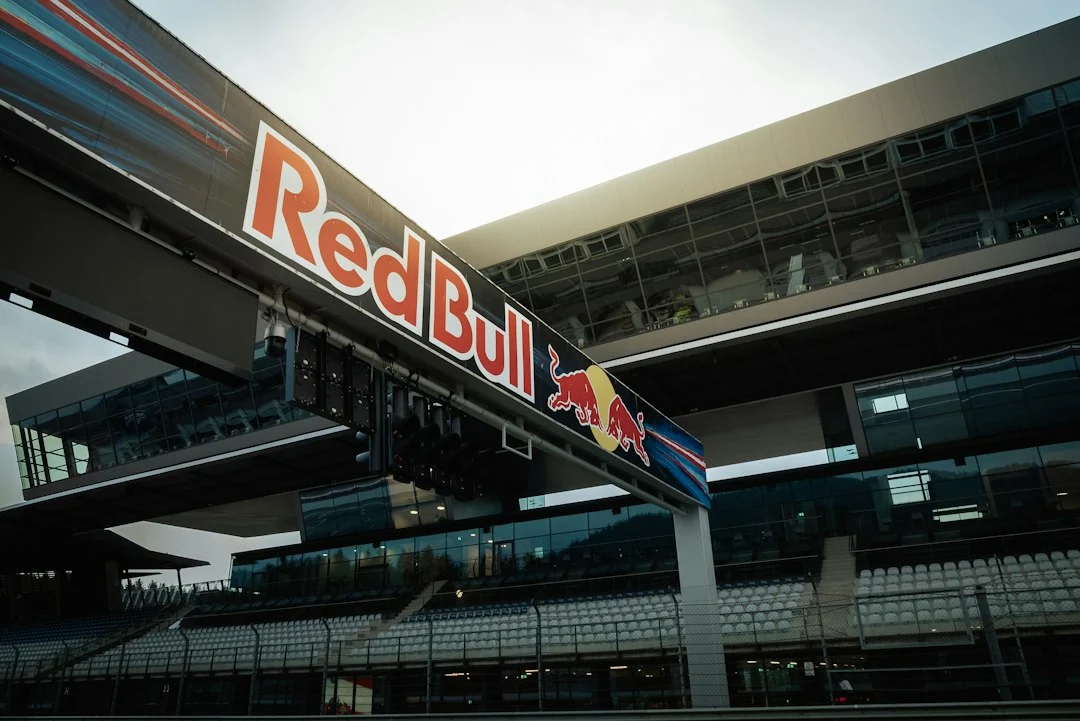
For Formula One fans, a reported £449 Austrian Grand Prix travel deal is interesting because it sits at the intersection of sport, transport economics, and impulse-buy pricing. The appeal is obvious: the Austrian Grand Prix is one of the more approachable races on the calendar, and the event at the Red Bull Ring in Spielberg, Styria tends to suit fans who want atmosphere without the extreme price inflation of places such as Monaco. But a cheap headline price is not the same thing as cheap travel. In package travel, the details decide whether a deal is smart or merely well marketed.
The real value of a race trip depends on what the package actually includes, how much friction it removes, and how much control you give up in exchange for convenience. That is the part most buyers ignore until the fine print starts to matter. A proper reading of the deal has to separate the marketing story from the weekend a traveller will actually experience.
Why the Austrian Grand Prix is a value-driven F1 weekend
The Austrian round has a structural advantage. It is a compact Grand Prix weekend in a venue that is easier to navigate than many urban street circuits. The setting in Styria gives it a rural festival feel rather than a tightly constrained city-event premium. That matters because every layer of difficulty in live sport usually translates into cost: harder access, fewer hotel rooms, more expensive transfers, and stronger demand for premium seats.
For a buyer, the practical implication is simple. If two F1 weekends offer similar racing quality, the one with lower friction often becomes the better value. The Austrian event can benefit from more flexible travel structures than a race built around a dense city core. That is why a package can look competitive even before you compare the on-track product.
The venue works in the traveller’s favour
The Red Bull Ring is not just another circuit on a map. It is a venue with a clear identity: fast scenery, a strong fan culture, and a layout that supports race-weekend movement without the same urban bottlenecks that affect some other motorsport events. That makes it easier for operators to bundle transport and accommodation in a way buyers can understand quickly.
The result is a market where the headline price can be genuinely meaningful. If a package lowers the number of moving parts, it can create real utility rather than just a lower sticker. That is why Austria is often talked about as a sensible entry point for first-time live F1 travel.
What a £449 package probably buys—and what it may not
Without the full terms, no serious reader should assume the advertised figure covers every material cost. In the travel sector, especially when a travel agency sells a package holiday or broader package tour, the headline price may include only the core components that make the offer bookable. The real question is not whether £449 is low; it is which costs are embedded and which are pushed outside the bundle.
| Cost element | Why it matters | What to verify |
|---|---|---|
| Race ticket | Determines viewing quality and event access | Grandstand or general admission, seat location, and any restricted views |
| Travel | Can change the true cost more than the ticket itself | Flights, coach transfers, baggage allowance, and airport timing |
| Hotel or camping | Affects convenience, sleep quality, and pace of the weekend | Distance to the circuit, room type, and whether breakfast or local taxes are included |
| Change and cancellation terms | Critical if race plans shift or personal schedules change | Refundability, amendment fees, and deadline rules |
Packages also vary in how they handle group dynamics. A pair can tolerate a longer transfer or a simpler hotel. A larger group planning a shared weekend usually values certainty more than marginal savings. That is where a package can outperform a do-it-yourself booking, but only if the included elements match how you actually travel.
The real value test is the total trip cost
Consumers routinely compare race packages on the wrong basis. They compare one headline number against another, then discover the final bill after extras. A proper evaluation should include the full weekend cost: transport, accommodation, local transfers, food, drink, seat upgrades, and any baggage or service fees. That approach is standard budgeting, but live sport tempts people to ignore it because the event itself feels scarce.
Budget travel works when you control the variables that most quickly escalate. For an F1 weekend, the most common leakage points are airport choice, late booking, and overpaying for a seat category you do not actually need. A package can reduce that leakage, but only if the price is transparent.
Why headline bargains sell quickly
Travel operators know that a strong value signal creates urgency. Motorsport fans are familiar with the same pattern on track: once the lights go out, hesitation is punished. Travel marketing uses a similar psychology. The result is not automatically manipulative, but it does mean buyers should slow down just enough to confirm the inclusions before committing.
That is particularly important when the deal is framed as a limited, future-dated bargain. The further out the trip is, the more room there is for date changes, schedule movements, and simple life events that make flexibility valuable.
Why party-loving racing fans are drawn to Spielberg
The Austrian Grand Prix has a reputation for being social rather than sterile. Fans who want a polished hospitality box experience can find that in many places, but Austria appeals to those who want a shared atmosphere that feels closer to a festival than a boardroom. That is why the event is attractive to younger groups, friends travelling together, and first-time F1 visitors who want a weekend that feels energetic but still manageable.
The on-track narrative matters too. When teams such as Red Bull Racing are competitive, local interest rises. When drivers such as Lando Norris are in contention for McLaren, the race gains a broader audience. A good F1 weekend is never just scenery; it is a live sporting context with actual stakes. That keeps demand high even when a package looks affordable on paper.
What the social appeal hides
The same features that make Spielberg fun also create trade-offs. A group-friendly event often means noise, queues, and less control over your schedule. If you want a calm, tightly choreographed race weekend, a bargain package may frustrate you. If you want a high-energy, flexible, people-first trip, the Austrian round can be ideal.
That distinction matters because too many buyers assess value as if it were purely a financial measure. In reality, live-event value includes friction, energy, and how much of the weekend you actually enjoy without logistical stress.
How to judge whether this Austrian Grand Prix travel deal is genuinely good
A useful buying framework is to ask four direct questions before paying:
- What exactly is included? The ticket, hotel, airport transfers, and baggage rules should be explicit.
- How much choice do I have? Fixed seats and fixed dates are acceptable only if the price discount is real.
- How far is the accommodation from the circuit? A cheap hotel can become expensive if daily transfers are long or irregular.
- How flexible are the terms? Change fees can erase the perceived saving very quickly.
If you are booking as a group, coordinate expectations before anyone pays. One person may want the cheapest possible ticket. Another may care more about being near the action. Another may prioritise sleep and convenience. That is why group chats, shared spreadsheets, and early seat selection usually improve outcomes more than last-minute enthusiasm. Many fans organise that process through WhatsApp, because speed and clarity matter when multiple people are trying to lock in the same weekend.
Best practices for buyers
First, compare the package price against the cost of buying each element separately. Second, check the event timetable and transport timing on the official Formula One site and the venue information from the Red Bull Ring. Third, confirm the hotel area, because nearby can mean different things in alpine travel. Fourth, treat every upgrade offer as optional until you can justify it against your budget.
It is also worth checking whether the package matches your tolerance for structure. Some travellers want a fixed itinerary because it removes decisions. Others want freedom to choose dining, departure times, or extra sightseeing. The wrong package is not necessarily bad; it is simply mismatched to the buyer’s style.
Where low-cost F1 packages go wrong
There are three common failure points. The first is ticket quality. A package can be race included and still place you in a location that offers a limited viewing angle or weaker access. The second is transfer friction. Alpine or rural venues can involve more shuttle dependence than fans expect. The third is hidden padding: a room may be cheap because it is distant, basic, or placed in a busy area that makes race-day mornings inefficient.
None of this means the deal is poor. It means the buyer should understand the trade-off. A cheap package is not a scam simply because it is basic. It becomes bad value only when the package price conceals inconvenience that the buyer would not willingly choose if the whole weekend were transparent at the point of sale.
The case for booking early
F1 demand is lumpy. Once the most convenient inventory is gone, prices often move in one direction. The best bargains therefore tend to go to people who are willing to decide before the crowd does. That is especially true for trips that combine race access with limited accommodation around smaller venues such as Spielberg.
Early booking also helps if you are trying to travel with specific friends. The later you leave it, the more likely the cheapest remaining options will force compromises on room sharing, arrival times, or seat categories.
Frequently asked questions about Austrian Grand Prix travel
Is the Austrian Grand Prix a good first Formula One trip?
Yes, for many fans it is. The circuit setting is easier to manage than some city-based events, and the weekend can feel welcoming to first-time visitors. It is still a major live sport event, so you should expect crowds and planning, but the format is straightforward.
Does a low-cost package usually include the best seats?
Not usually. Lower prices often reflect more modest seating or a less premium location. That is not automatically a problem, but you should read the ticket description carefully instead of assuming all F1 tickets are equivalent.
Why do fans talk about Austria as a value race?
Because the event combines relatively manageable logistics with strong race-day energy. In other words, it gives fans a live Formula One experience without the premium pricing structure that defines some other marquee weekends.
Should group travellers book together or separately?
Usually together, if the package terms allow it. Group bookings reduce the risk of mismatched arrival times, seat splits, and hotel inconsistencies. They also make it easier to coordinate the social side of the trip.
The important question is not whether £449 is cheap, but whether it buys the weekend you actually want
The most revealing aspect of the reported £449 Austrian Grand Prix travel deal is that it turns a complex sports trip into a single decision. That simplicity is powerful. It lowers friction, gives buyers a clear reference price, and makes a live F1 getaway feel attainable rather than aspirational. But the deal only deserves the word bargain if the included components align with how you travel and how much control you want over the weekend.
What readers should watch next is not only the price itself, but the market around it: hotel capacity, flight availability, seat allocation, and how quickly the best package inventory disappears as the event date approaches. The broader trend is clear. As motorsport tourism becomes more mainstream, the best-value trips will be the ones that balance certainty with flexibility, not the ones that merely advertise the lowest number.
That leaves one unresolved but important question for any buyer: are you trying to save money, or are you trying to buy a weekend that feels effortless enough to enjoy from the first WhatsApp message to the final lap?
SEO DATA:
Primary Focus Keyphrase: Austrian Grand Prix travel deal
Related Keyphrase 2: F1 travel package deals
Related Keyphrase 3: £449 Austrian Grand Prix weekend break
Related Keyphrase 4: Is the Austrian Grand Prix a good budget F1 trip?
Related Keyphrase 5: Formula 1 travel packages Austria
Primary Keyphrase Synonyms:
Austrian GP package, Formula 1 weekend break, F1 holiday deal, Red Bull Ring travel package, Grand Prix getaway
SEO Title:
Austrian Grand Prix Travel Deal: Why the £449 F1 Getaway Stands Out
Meta Description:
Austrian Grand Prix travel deal explained: what £449 may include, hidden costs to check, and why Austria can be one of F1’s best-value weekends.
URL Slug:
austrian-grand-prix-travel-deal
Image Filename:
austrian-grand-prix-travel-deal-f1-fans.jpg
Image ALT Text:
Formula 1 fans arriving at the Red Bull Ring in Spielberg, Austria, with summer crowds and race-day atmosphere
Image Title:
Austrian Grand Prix travel deal at the Red Bull Ring
Image Caption:
A group of F1 fans heads to the Red Bull Ring for a summer race weekend in Spielberg, Austria.
Search Intent:
Mixed intent
Frequently Asked Questions
What does the £449 headline price usually leave out in an F1 travel package?
Usually the headline price covers only the core bundle, not every trip cost. It may exclude premium seating, checked baggage, resort fees, local taxes, transfers to the circuit, or flexible cancellation rights. For a fair comparison, buyers should check the exact ticket type, hotel standard, and whether transport to Spielberg is actually included.
Why is the Austrian Grand Prix often better value than more famous F1 races?
Austria tends to be less expensive because it has lower travel friction than city-centre or prestige events. The Red Bull Ring is easier to serve with hotels and transfers, and the weekend atmosphere is strong without Monaco-level scarcity pricing. That structure helps packages stay more competitive even when demand is healthy.
Is a package deal a better choice than booking the Austrian Grand Prix separately?
It can be, but only if convenience matters to you. Packages reduce the number of moving parts, which is useful when flights, transfers, and accommodation all need to line up. If you are very price-sensitive and flexible, separate booking may be cheaper. If you value certainty, a package often wins.
How do I know if the race ticket included is actually worth it?
The main thing is not just whether a ticket is included, but what kind. A grandstand seat can transform the weekend compared with general admission, especially if views are restricted elsewhere. Check the exact stand, sightlines, and whether the package includes a reserved position or only basic entry to the circuit.
What should a group of fans think about before booking this kind of deal?
Groups should focus on predictability, not just the lowest price. Shared transport, hotel location, and fixed timings matter more when several people are travelling together. A cheaper deal can become awkward if transfers are long or hotel check-in is inconvenient. For groups, clarity on logistics is often more valuable than saving a small amount.