
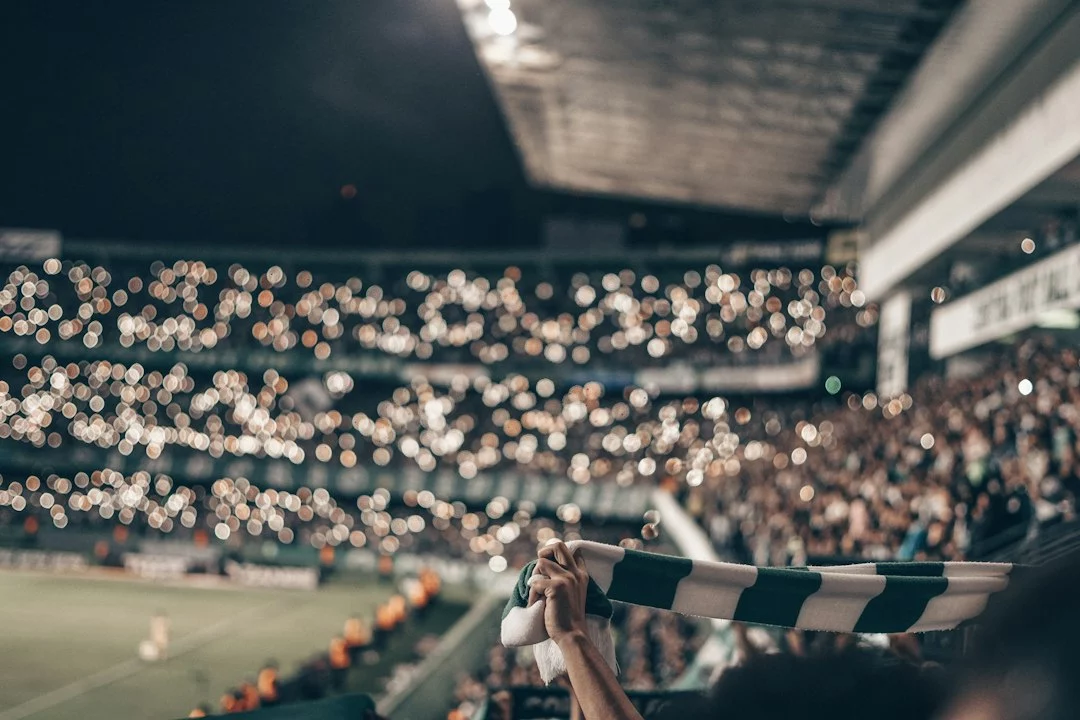
European football travel packages appeal because they turn a complicated booking into one controlled purchase: match ticket, hotel, and sometimes hospitality. For fans of association football, the attraction is not only access to elite fixtures involving Real Madrid CF, FC Barcelona and FC Bayern Munich, but the fact that the logistics are already handled. A headline such as £172pp sounds straightforward. It is not. That figure sits inside the economics of sports tourism, the structure of a package holiday, and the scarcity that shapes ticketed access to top-tier stadiums.
The useful question is not whether the price looks low. It is what kind of matchday the price actually buys. A cheap-looking offer can be good value if the seat is acceptable, the hotel is sensibly located, and the fixture is stable. It can also be a poor buy if the package leans on weak inventory, awkward transport, or restrictive terms. This analysis focuses on that gap between the marketing line and the real trip cost.
Why the advertised price looks lower than a standalone trip
Low starting prices are usually the result of bundling, not magic. A travel agency or tour operator can package tickets and rooms together, smoothing demand across inventory that would be harder to sell separately. That bundling can be efficient, but it also hides the fact that the buyer is comparing one combined price against several individual decisions. The real cost of the trip depends on the fixture, the location of the hotel, and the ticket category, not just the number printed in bold.
The strongest offers tend to appear when the market is not under full pressure. Weekend league fixtures, mid-tier hotel stock, and less explosive opponent pairings are easier to price competitively. By contrast, derby matches, European knockout games, and fixture dates that collide with major events in Madrid, Barcelona or Munich push prices upward quickly. In other words, the headline price reflects scarcity management more than generosity.
What £172pp usually includes and what it does not
At the low end, a package often includes a standard match ticket and one night in a basic or mid-range hotel. That is enough to get a fan into the city and into the ground, but it is not the same as a premium away-day. The gap matters because the experience of an elite fixture is shaped by details that the headline rarely explains: seat location, transfer time, and how quickly you can move from stadium exit to hotel check-in.
- Included: a match ticket, one or more hotel nights, and sometimes breakfast.
- Sometimes included: hospitality access, airport transfers, or upgraded seating.
- Usually excluded: flights, checked baggage, city transport, meals, and flexible cancellation.
- Often unclear: exact view from the seat, proximity of the hotel, and ticket delivery timing.
The point is simple: a low advertised price is only a deal if the exclusions stay manageable. A trip that looks cheap can become expensive once transport, meals and seat upgrades are added. That is why the real comparison is not package price versus bare ticket price; it is package price versus the full cost of assembling the same experience yourself.
Why Real Madrid, Barcelona and Bayern Munich dominate demand
These clubs are not just popular teams. They are demand engines. A trip to watch one of them is also a trip to one of Europe’s most attractive cities, and the match becomes part of a larger football culture and city-break purchase. Their stadiums are destinations in their own right: the Santiago Bernabéu Stadium, Spotify Camp Nou and Allianz Arena all sit at the intersection of tourism, architecture and elite sport.
Real Madrid: premium pricing follows the calendar
Real Madrid fixtures in La Liga and the UEFA Champions League often price aggressively because the club sits at the top of the demand curve. Opponent quality, broadcast attention and the global pull of the brand all compress availability. That matters to travellers because the match is not sold in isolation. The same stadium can produce very different package economics depending on whether the opponent is a routine league visitor or a major European name.
Barcelona: the city itself adds pressure
Barcelona’s match packages are shaped by more than football. The city is a major destination even when the team is away, which means hotel demand is already high before tickets are added into the equation. The result is predictable: on busy weekends, even a standard package can feel expensive because the buyer is paying for the football fixture and the destination at the same time. That is why Barcelona packages often look stronger when they are measured against fully separate bookings, not against the stadium ticket alone.
Bayern Munich: value comes from discipline, not discounting
Bayern’s market is different. The club’s scale and the efficiency of Munich’s visitor economy mean packages can sometimes look better on paper than those for the Spanish giants. But the value advantage disappears fast for title-deciding fixtures or major European nights. The Bundesliga schedule also means that many travellers are competing for the same compact weekend window, which keeps pressure on both room inventory and ticket availability.
How match ticket and hotel packages actually create value
For a buyer, the value of match ticket and hotel packages comes from reduced friction. That is the real product. If the seller can secure a useful seat and a practical hotel without forcing the traveller to stitch the trip together manually, then the package has value even if it does not look like a bargain in absolute terms. In the market for European football travel packages, convenience is not a soft benefit. It is the mechanism that makes the package work.
| Factor | What to check | Why it matters |
|---|---|---|
| Ticket category | Stand, tier, restricted view or hospitality | It determines the match experience more than the club name does |
| Hotel location | Distance to stadium, station and city centre | It affects transfers, safety and the cost of match-night logistics |
| Fixture type | League, cup or European competition | Different competition types create different levels of price pressure |
| Inclusions | Breakfast, baggage, transfers, lounge access | These extras can erase a supposed saving if they are added later |
| Protection | Seller protection and cancellation terms | It reduces financial risk if dates move or plans change |
There is also a psychological effect. Fans often underestimate how much time and effort it takes to source tickets, coordinate hotels, and match schedules to flights. A package compresses those decisions into one purchase. That is especially useful for first-time travellers and for anyone targeting the biggest clubs, where supply is thin and timing matters.
In football travel, the cheapest offer is often the most expensive mistake once you count seat quality, transfer time and cancellation risk.
Hospitality upgrades: when they are worth paying for
Hospitality industry products are not just expensive seats. They are a different class of experience. For some buyers, that is exactly the point. Hospitality can mean faster entry, better food, a more predictable arrival process and fewer uncertainties on match day. For business travellers or older fans, that convenience may justify the higher spend. For supporters who want atmosphere first, it can feel sterile.
When hospitality adds real value
- When the fixture is high-demand and ordinary seats are scarce.
- When the traveller wants a smoother, lower-stress arrival process.
- When food, lounge access or seat quality materially improve the trip.
- When the buyer values certainty more than raw atmosphere.
The mistake is to treat hospitality as automatically superior. It is not. It is superior only when its benefits match the traveller’s purpose. A fan chasing noise and intensity may be happier in a standard section. A traveller who prioritises comfort and reduced friction may find hospitality the better buy.
The risks that matter before booking
Football travel is a live product, not a static one. Fixtures move for broadcast reasons, cup draws change schedules, and hotel availability fluctuates by the day. That is why the due-diligence step matters. Before paying, check the official club page and, where relevant, UEFA fixture information so you know the match is still on the date you expect. If the package includes flights or flight-linked elements, check whether the seller offers ATOL protection or comparable cover.
- Fixture uncertainty: league and cup timings can change.
- Ticket clarity: some offers do not specify the precise view until late.
- Hotel quality: star rating is not the same as match-night convenience.
- Cancellation terms: low headline prices often reduce flexibility.
- Seller reliability: established operators are safer than opaque resellers.
The real danger is not paying a little extra. It is buying a package on the assumption that every detail will stay fixed. In football, that assumption is weak. A good seller manages that uncertainty; a poor one hides it.
Frequently asked questions about European football travel packages
Are football hospitality packages worth it?
Yes, if you value certainty, better logistics and a smoother matchday more than atmosphere. They are less attractive for fans who want a louder, more traditional stand experience.
What should I check before booking a matchday break?
Confirm the ticket category, the hotel address, the cancellation policy and the fixture status. Then re-check the official club or competition page closer to departure.
Is a package better than booking separately?
For many travellers, yes. A package reduces coordination risk and can unlock ticket inventory that is hard to source independently. Separate booking can be cheaper, but only for buyers who are flexible and experienced.
Why do prices vary so much between fixtures?
Because demand changes with opponent strength, competition stage, city hotel prices and the likelihood of schedule changes. A derby or European knockout game will almost always cost more than a routine league fixture.
The pressure point: value, access, and what to watch next
The strongest insight from this market is that the headline price is not the real story. The real story is access. Clubs such as Real Madrid, Barcelona and Bayern Munich sit in cities where football demand, tourism demand and premium hospitality all compete for the same finite inventory. That means the package seller is not merely discounting a trip. It is rationing access to a scarce experience.
What readers should watch next is whether the lowest advertised prices remain genuinely obtainable once dates, tickets and hotel stock are finalised. If the market keeps moving toward segmented products, there will be more choice but less simplicity. If that happens, the informed buyer will win: the one who checks the fixture early, verifies the seller late, and measures value by what is actually included rather than by the first number shown on the page.
Frequently Asked Questions
Is £172pp a realistic total price for a European football travel package?
It can be, but only for a limited type of trip: usually a standard match ticket plus a basic or mid-range hotel, often for one night. The price is realistic as a headline, but not necessarily as the final amount you will spend once flights, baggage, local transport and meals are added.
Why do packages for Real Madrid, Barcelona or Bayern Munich still start so low if demand is so high?
Because the low starting price usually reflects bundled inventory, not top-demand seats. Operators combine hotel rooms and tickets to fill stock that would be harder to sell separately. The lowest prices are more likely when the fixture is less explosive, the hotel is not central, and the ticket category is basic rather than premium.
What is the biggest hidden cost buyers often miss?
Flights are the most obvious omission, but the real budget leak is often everything around the matchday: baggage fees, airport transfers, city transport, meals, and seat upgrades. A package can look cheap until these extras are added. In some cases, the final cost ends up close to or above a self-booked trip.
How important is the hotel location in judging whether the package is good value?
Very important. A cheaper hotel outside the centre can wipe out any saving once you add taxis, trains or extra travel time. The value of a package depends not only on the room quality, but on how easily you can reach the stadium, the city centre and your onward transport after the match.
Are cheap football packages risky because the match details can change?
Yes, that is one of the main risks. Fixture dates can move for TV scheduling, cup commitments or European competition changes, and ticket delivery timing may be unclear. A package is safer when the operator offers clear terms on rescheduling, cancellations and what happens if the match date shifts.