
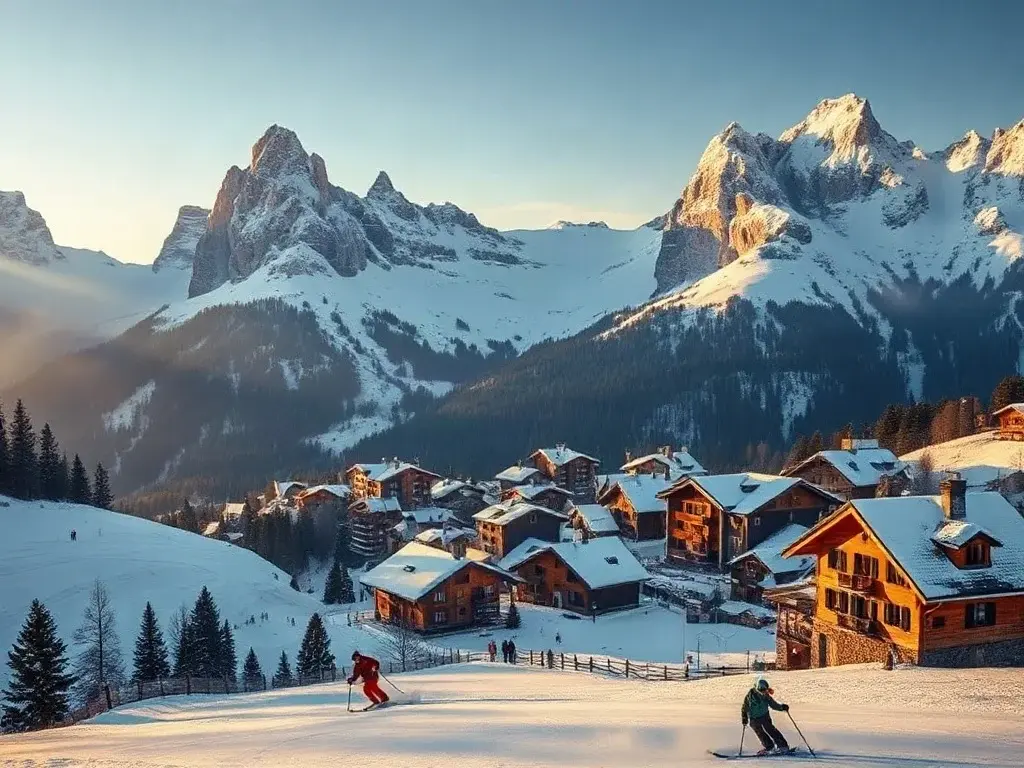
Winter 2026 is shaping up around two major forces: a weak La Niña climate pattern influencing weather across the Northern Hemisphere, and the Milan Cortina Winter Olympics, scheduled for Feb. 6–22 in northern Italy. Together, they will affect travel plans, energy use, snow conditions and sports audiences worldwide over the coming weeks.
Forecasters, resort operators and Olympic organizers are all watching the same variable: how much cold air and snow arrives, and where.
Background: What Drives This Winter
Meteorological winter runs from Dec. 1 to the end of February in the Northern Hemisphere. Astronomical winter began with the solstice on Dec. 21, 2025.
The U.S. National Oceanic and Atmospheric Administration’s Climate Prediction Center said in its fall 2025 updates that La Niña conditions had emerged in the tropical Pacific. It expected them to persist through December–February, with a likely shift to neutral conditions between January and March 2026.
La Niña, a periodic cooling of Pacific surface waters, typically nudges the jet stream in ways that favor a wetter northern United States and a drier, warmer South. Forecasters stress that the effect is a tilt in the odds, not a guarantee. Short-term patterns, such as Arctic air outbreaks, can override it.
The Olympic Spotlight
The 25th Winter Olympic Games open Feb. 6 and close Feb. 22. Italy is hosting under a distributed model, with events split between Milan and Cortina d’Ampezzo, plus Alpine venues in Valtellina and Val di Fiemme.
Organizers say the footprint is one of the largest in Olympic history, spanning thousands of square kilometers. The program features ski mountaineering as a new Olympic sport. The Paralympic Winter Games follow on March 6–15.
The spread-out layout raises logistical questions. Athletes, volunteers and spectators will rely heavily on road and rail links through mountain terrain, where winter weather can quickly disrupt schedules.
Snow Reliability Under Pressure
Snow conditions remain a central concern for the Alps. The Copernicus Climate Change Service reported that 2024 was the warmest year on record globally and the first calendar year to exceed 1.5 degrees Celsius above pre-industrial levels. Scientists link long-term warming to shrinking snow cover at lower elevations.
Many ski areas now depend on snowmaking. The Italian environmental group Legambiente has estimated that roughly 90 percent of the country’s ski slopes use artificial snow, one of the highest shares in Europe.
Snowmaking requires cold temperatures, water and electricity. Operators say it protects race courses and tourist seasons, while critics question its cost and environmental footprint.
Energy, Travel and Consumers
Winter weather also drives household and industry costs. Colder-than-normal spells raise demand for natural gas and electricity for heating, while mild stretches can ease pressure on supply and prices.
Travel demand is shifting as well. Airlines, hotels and rail operators in northern Italy expect higher bookings around the Games. Travelers heading to the Alps in February should expect crowding and price spikes near competition venues.
In North America, a La Niña tilt favors strong snowfall in parts of the northern Rockies and the Pacific Northwest. Resorts there often market early-season conditions when storms line up. Southern regions face higher odds of dry conditions, which can elevate wildfire and drought concerns in some areas.
What Experts Are Saying
Climate scientists consistently caution against reading too much into seasonal outlooks. NOAA describes its winter forecasts as probabilistic, meaning they show the likelihood of above-, near- or below-normal conditions rather than day-to-day weather.
Sports and tourism analysts note that the Olympics can deliver a sustained boost to host regions through visitor spending and global exposure. Past Games, however, show that benefits vary widely and depend on long-term planning, infrastructure use and local participation.
Implications for Readers and Industry
For consumers, the season’s outcome will show up in practical ways: heating bills, flight and hotel prices, and the quality of slopes. Those planning winter trips should build flexibility into bookings, since mountain weather can change quickly.
For the ski industry, this winter is another test of resilience. Resorts that diversify beyond downhill skiing, invest in efficient snowmaking and adapt to shorter, less predictable seasons may fare better as winters warm.
For energy markets and utilities, a weak La Niña adds one more variable to demand forecasting. Sudden cold snaps can stress grids even in a season that otherwise looks mild.
What to Watch Next
The next NOAA ENSO update, due in February, will indicate whether La Niña is fading toward neutral conditions as expected. Snowpack reports from the Alps and the western United States will show whether mountain water supplies are on track for spring and summer.
All eyes will turn to Italy as the Olympic flame arrives in Milan on Feb. 6. Temperature swings, snowfall and transport performance in the Alps could shape both the competition and the broader conversation about the future of winter sports.