
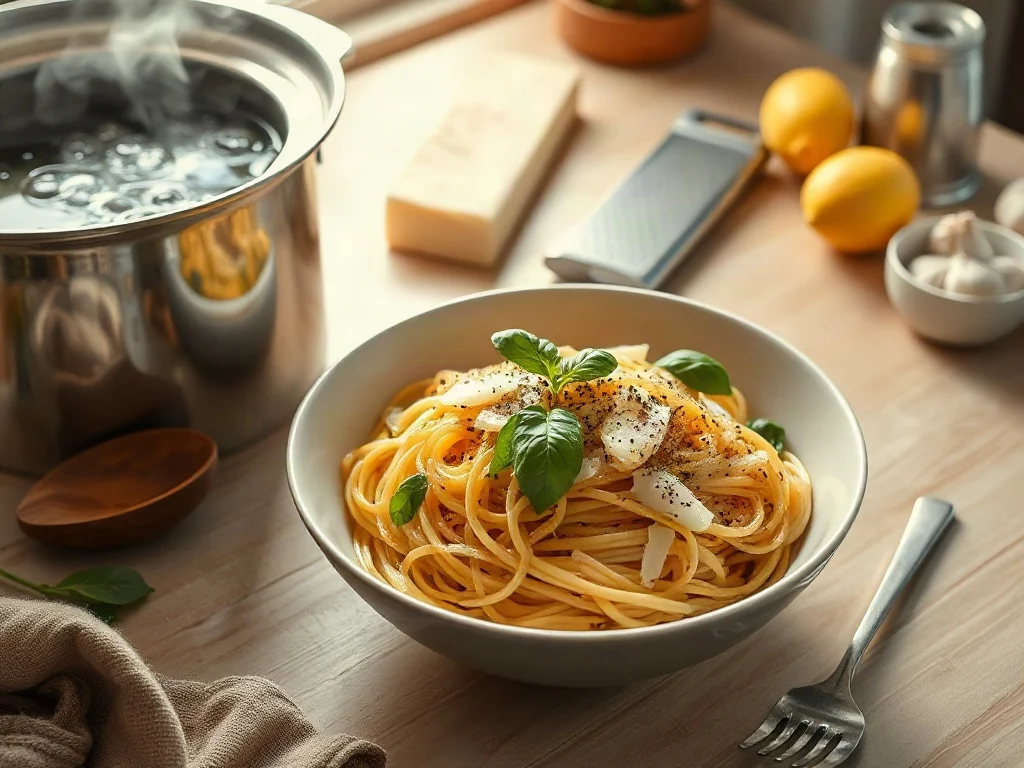
The Ina Garten pasta featured in a recent food story promises a family-approved dinner that is finished almost as soon as the water boils. The teaser gives no ingredient list, so this analysis does not guess at the recipe. It examines why the format works: a sauce built in the time it takes to cook the pasta. That is the real engineering behind most 15-minute pasta recipes, and it explains both their appeal and their limits.
Why an Ina Garten Pasta Recipe Carries Weight
Ina Garten built her reputation on reliability. She bought the Barefoot Contessa specialty food store in Westhampton Beach in 1978 and later became a television figure on Food Network. Her catchphrase, “store-bought is fine,” is a philosophy as much as a joke: spend effort where it changes the result, and buy the rest. Her official site, Barefoot Contessa, collects her recipes.
That philosophy suits fast pasta. A recipe built around a few strong ingredients leaves little room to hide a weak one, so quality matters more than quantity.
The Timing Logic Behind a 15-Minute Pasta Recipe
Most quick pasta dishes depend on parallel cooking. While the pasta boils, the sauce is assembled in a pan or even in the serving bowl. The clock only works if the sauce needs no long reduction or braising.
Ingredients That Suit the Format
- Raw or barely cooked components: garlic, lemon and fresh basil need seconds, not minutes.
- Fat as the sauce base: olive oil or butter carries flavor without simmering.
- Aged cheese: Parmigiano-Reggiano melts quickly and adds salt and depth.
The Role of Pasta Water
Cooking water is the most underused tool in a quick dinner. It contains dissolved starch, which helps bind fat and liquid into an emulsion. Classics such as cacio e pepe and many versions of pesto pasta rely on this principle. A ladleful reserved before draining often separates a glossy sauce from a greasy one.
Where Fast Pasta Fails
Speed has costs, and honest analysis names them.
- Hidden prep time. A “15-minute” label often excludes grating, chopping and zesting. Realistic timing includes mise en place.
- Overcooked pasta. Fast sauces leave no slack. Pasta that goes past al dente turns soft while you finish the sauce.
- Thin flavor. Without long cooking, seasoning has to come from salt, acid and good ingredients. Under-salted water is the most common failure.
- Family variability. A dish one household loves can stall at another table. A single enthusiastic endorsement is anecdote, not evidence of universal appeal.
How to Cook a Quick Weeknight Pasta Dinner Well
These habits apply to nearly any quick weeknight pasta dinner, including an Ina Garten recipe:
- Salt the water generously, since it is the only chance to season the pasta itself.
- Start the sauce in a wide pan before draining, so the pasta can finish in it.
- Pull the pasta a minute early if it will cook further in the sauce.
- Add cheese off the heat to avoid clumping.
- Finish with acid or fresh herbs to brighten a short-cooked sauce.
Shapes matter as well. Spaghetti and linguine carry oil-based sauces well, while short shapes with ridges grip chunkier mixtures. Pasta is central to Italian cuisine, and Garten’s approach is an American home-cook adaptation of those principles, not a strict regional recipe.
Questions Readers Ask
How can you make pasta sauce while the pasta boils?
Choose a sauce with no long cooking step, such as oil, garlic, cheese, herbs or fresh tomatoes. Prepare everything before the water boils, and keep some pasta water to loosen the sauce.
Is a 15-minute pasta dinner realistic?
Yes, if prep is counted honestly and the recipe uses simple components. It is less realistic if the timer ignores chopping or if the sauce needs reduction.
Where can I find Ina Garten’s recipes?
Her official website and her published cookbooks are the most reliable sources, rather than third-party adaptations.
The Real Test of a Fifteen-Minute Recipe
The durable lesson is not the specific dish. A fast recipe succeeds when its structure does the work: parallel timing, a few strong ingredients and starchy water as the binder. Garten’s reputation for tested, predictable results is why such a promise is believable.
The question to watch is whether time-pressed households keep trusting named-chef shortcuts, or whether “15 minutes” becomes a marketing label that readers learn to discount. Recipes that state honest total time, including prep, will likely earn the long-term trust. A pasta that is truly done as the water drains is rare enough to be worth keeping.