
When a small Caribbean island takes the stage at the opening session of a major trade event, it is making a statement. That is what happened with Anguilla luxury travel at Virtuoso On Tour Latin America, held Oct. 27-29. For the first time, the Anguilla Tourist Board sponsored the opening general session and presented the island’s high-end experiences to more than 300 travel professionals. The move reflects a deliberate effort to diversify the island’s source markets and raise its profile among the advisors who shape luxury itineraries across the region.
This analysis looks past the headline. It explains why a general-session sponsorship matters, how the island’s positioning fits Latin American travelers, and what the Anguilla Tourist Board must get right if the strategy is to produce real bookings rather than applause.
Anguilla Luxury Travel Takes the Main Stage in Latin America
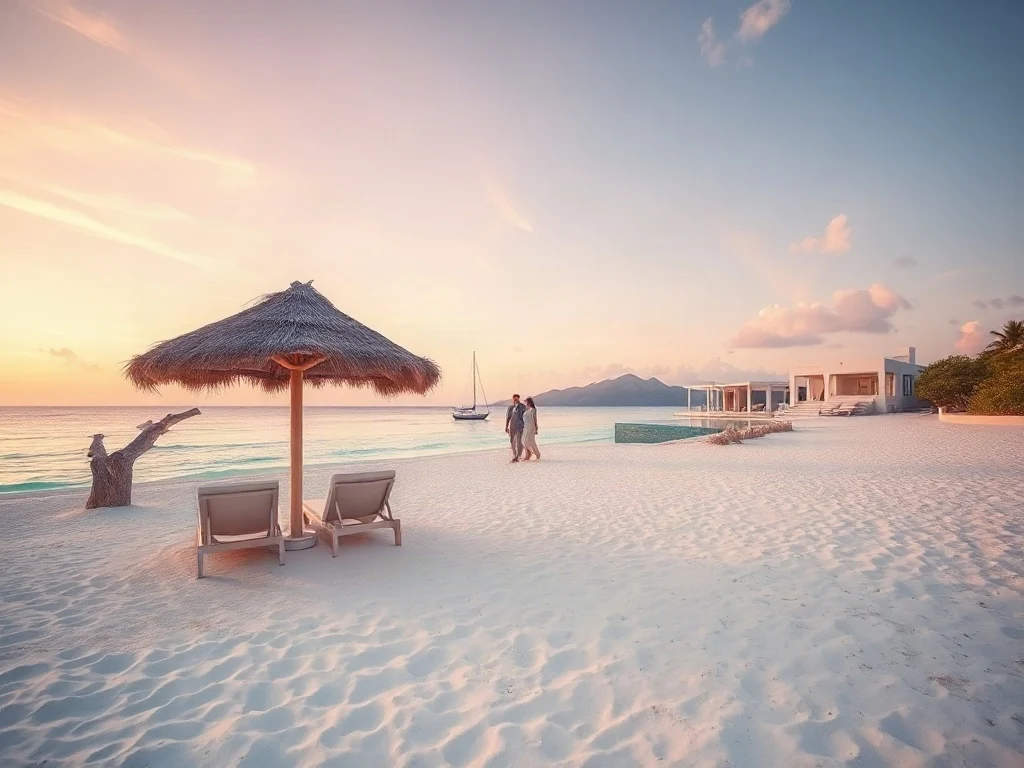
Anguilla is a slender, coral-fringed island and one of the British Overseas Territories in the northeastern Caribbean. It is known for powdery beaches, a quiet atmosphere, private villas, and a dining scene that punches well above the island’s size. That identity suits a low-volume, high-value approach, in which the aim is to attract travelers who spend more and stay longer rather than to maximize arrivals.
Opening general sessions are the most visible slot at a trade gathering. Every attendee is in the room, nobody is shuttling between appointments, and the presenter frames the tone for the days that follow. For a destination that has not historically been a headline name in the region, that is valuable exposure. It is also a signal that the Anguilla Tourist Board sees Latin America as a serious growth opportunity and not an afterthought.
What the Reported Facts Tell Us
The confirmed details are straightforward. The sponsorship was a first for the destination at this event. The audience exceeded 300 travel professionals. The stated goals were to diversify Anguilla’s source markets and to elevate its visibility among luxury advisors in Latin America. Anything beyond that, such as expected booking volumes or new airlift, has not been disclosed in the available reporting, so it would be speculation to assign figures to the outcome.
Why Source Market Diversification Matters
Every island economy that depends heavily on tourism carries a concentration risk. Anguilla, like many Caribbean destinations, has historically drawn a large share of its visitors from North America. Relying on one or two feeder markets exposes a destination to currency swings, economic downturns, airline schedule changes, and sudden shocks to demand.
The island has direct experience of how fragile the model can be. Hurricane Irma struck in 2017, and the COVID-19 pandemic later disrupted global travel. Neither event is a reason by itself for the Latin America push, but both illustrate why a broader base of source markets is a sensible form of resilience.
The Logic of Adding Latin America
Latin America is not a single market. Brazil, Mexico, Argentina, and Colombia differ in language, travel habits, economic cycles, and outbound travel patterns. A Portuguese-speaking traveler in São Paulo and a Spanish-speaking traveler in Mexico City may both want a premium Caribbean escape, but they will respond to different messaging, price framing, and travel logistics. A smart destination strategy treats the region as a portfolio of distinct audiences.
The Power of Luxury Travel Advisors
The presentation targeted luxury travel advisors rather than consumers directly, and that choice deserves attention. At the top end of the market, a trusted travel agency or advisor often acts as the decisive voice. Affluent clients tend to value curation, access, and problem-solving over price comparison, and advisors build their reputations on delivering exactly that.
Virtuoso, whose official website describes it as a network of luxury travel advisors, brings destinations and agencies together through events like On Tour. The format works for a simple reason. An advisor who has heard the story of a destination firsthand, and met its hoteliers and tourism officials, is far more likely to recommend it with confidence.
What Advisors Actually Need
Advisors are not persuaded by adjectives. They want concrete material they can sell:
- Product clarity: which resorts, boutique hotels, and villas fit which kind of client.
- Access logistics: realistic routings, transfer times, and connection options.
- Commission and support: clear, reliable terms and responsive on-island partners.
- Distinctive experiences: chef-led dining, private beach days, and cultural encounters that clients cannot easily book elsewhere.
- Service consistency: confidence that the promise made in a ballroom will survive contact with the real trip.
What Makes Anguilla’s Luxury Proposition Distinctive
The island’s appeal rests on a few pillars that travelers and advisors often cite. Understanding them helps explain why the Latin American pitch is plausible.
Beaches, Reefs, and Quiet
Anguilla’s shoreline is among its best-known assets. Calm bays, fine sand, and nearby coral reef systems support activities from snorkeling to scuba diving. The absence of mass-market crowding is part of the product. For high-net-worth travelers seeking privacy, restraint can be more luxurious than spectacle.
Villas, Resorts, and Gastronomy
Private villas and intimate resorts fit multigenerational trips and celebrations, a segment that matters in many Latin American markets where family travel is central. The island’s reputation for fine dining and beach restaurants adds a gastronomic dimension that advisors can package into itineraries.
Pairing With the Neighbors
Anguilla sits a short distance from Saint Martin, which is reachable by a short ferry crossing. That proximity matters for access, because many visitors reach Anguilla by combining a flight to the neighboring island with a sea transfer. It also offers a natural way to build two-island itineraries for clients who want contrast.
The Challenges Behind the Opportunity
A first-time sponsorship is a beginning, not a result. Several obstacles will determine whether the effort converts into sustained demand.
Access and Airlift
Connectivity is the quiet constraint on any Caribbean growth strategy. Travelers from Latin America often face multi-leg itineraries, and every connection raises the effective cost of the trip. Without convenient routings, even a well-received presentation can struggle to turn into bookings. The tourist board cannot control airline decisions, but it can help advisors understand the most practical paths.
Language and Cultural Fit
Presenting to a Latin American audience is not the same as winning one. Marketing materials, familiarization trips, and on-island service all need to be adapted to Spanish and Portuguese-speaking guests. A destination that translates its brochures but not its hospitality will lose the trust it worked to earn.
Capacity and Positioning
A deliberately upscale island must also guard against growth that undermines its own appeal. If the pitch to a new market succeeds too broadly, the character that attracts luxury travelers could erode. Expanding source markets is healthiest when it spreads demand rather than simply adding to it, and that is a balance the island’s policymakers and hoteliers must keep managing within the broader principles of sustainable tourism.
Practical Lessons for Destinations Courting Luxury Advisors
Anguilla’s approach offers a template that other destinations, large or small, can examine. The most useful lessons are practical.
- Buy the room, then earn the follow-up. A sponsored session creates attention, but the follow-through, including training, familiarization visits, and fast responses, creates sales.
- Measure what matters. Track advisor inquiries, quotes, and confirmed bookings by country rather than counting impressions alone.
- Localize the story. Tailor content to each market’s language, travel season, and family structure.
- Equip on-island partners. Resorts, villa managers, and a capable concierge network should be prepared for new guest expectations before the first arrivals.
- Protect the brand. Growth targets should be tied to guest experience, not volume alone.
How a Destination Marketing Strategy Like This Works
A destination marketing organization such as the Anguilla Tourist Board generally works across the whole funnel: awareness, consideration, and conversion. A trade event with a hand-picked audience is most powerful at the consideration stage. Advisors arrive already motivated to find new ideas for clients, so a polished first impression can shift a destination from unknown to shortlisted. Visitors and trade partners can find current information on the board’s official tourism website.
The broader hospitality industry on the island benefits only if its members are aligned. A single sponsored session cannot compensate for inconsistent product quality, but a coordinated effort across hotels, villas, restaurants, and transport providers can turn a moment of visibility into a durable reputation.
Frequently Asked Questions
Why is Anguilla targeting Latin American travelers?
The Anguilla Tourist Board has said its aim is to diversify the island’s source markets and increase its visibility among luxury travel advisors in Latin America. Reducing reliance on a small number of feeder markets makes the tourism economy more resilient.
What is Virtuoso On Tour Latin America?
It is a regional event organized within the Virtuoso luxury travel network that brings destinations and travel professionals together. The Oct. 27-29 edition featured Anguilla’s sponsorship of the opening general session for the first time.
How many travel professionals saw the presentation?
More than 300 travel professionals attended the session in which Anguilla presented its luxury experiences.
What kind of traveler does Anguilla appeal to?
The island is generally positioned for travelers who value privacy, beaches, villas, and fine dining over large-scale resort entertainment. Advisors typically match it to couples, families, and celebration travel.
Will this lead to more visitors from Latin America?
It is too early to say. No booking projections have been published, and results will depend on access, advisor follow-up, and how well the island adapts its service for new markets.
The Real Test Begins After the Applause
The most important insight here is that visibility is only the first currency in luxury travel. Anguilla has bought the attention of more than 300 influential professionals, but the market will judge the island on what happens next: how easily advisors can build a trip, how smoothly guests arrive, and how closely the experience matches the promise.
Watch for three signals over the coming seasons. First, whether Anguilla follows its sponsorship with familiarization trips and advisor training for Latin American agencies. Second, whether airline and ferry connectivity improves in ways that shorten the journey. Third, whether the island can welcome new guests without diluting the calm that defines its brand. If those pieces align, a first-time sponsorship could become the opening chapter of a lasting market. If they do not, it will remain a well-received presentation. The unanswered question is whether a small island can scale its appeal to a new continent while keeping the very exclusivity that made the continent look its way.
Frequently Asked Questions
Why did Anguilla choose to sponsor the opening general session instead of a regular booth or meeting slot?
The opening session is the most visible moment at a trade event. Every attendee is in the room, nobody is in appointments, and the presenter sets the tone for the following days. For a destination not historically prominent in Latin America, this gives concentrated exposure to more than 300 professionals.
Has Anguilla announced how many bookings or new flights the Latin America push will generate?
No. The available reporting confirms only the first-time sponsorship, an audience of over 300 travel professionals, and the goals of diversifying source markets and raising visibility among luxury advisors. Expected booking volumes and new airlift have not been disclosed, so any figures would be speculation.
Why is relying mainly on North American visitors a risk for Anguilla?
A heavy dependence on one or two feeder markets exposes an island to currency swings, economic downturns, airline schedule changes, and sudden drops in demand. Adding new source markets spreads that risk. Anguilla has seen how fragile tourism can be through Hurricane Irma in 2017 and the COVID-19 pandemic.
Is Latin America a single market for Anguilla's luxury tourism strategy?
No. Brazil, Mexico, Argentina, and Colombia differ in language, travel habits, economic cycles, and outbound patterns. A traveler in São Paulo and one in Mexico City may both want a premium Caribbean escape but respond to different messaging, pricing, and logistics, so each needs its own approach.
Why target luxury travel advisors rather than selling directly to consumers?
At the high end, a trusted advisor is often the decisive voice. Affluent clients tend to value curation, access, and problem-solving over price comparison, and advisors build their reputations on delivering that. Winning them over can influence many client itineraries at once, rather than reaching travelers one by one.
What kind of tourism does Anguilla's luxury positioning aim to attract?
Anguilla follows a low-volume, high-value approach. Instead of maximizing arrivals, it aims for travelers who spend more and stay longer. Its powdery beaches, quiet atmosphere, private villas, and strong dining scene fit that model, which is why it suits affluent visitors seeking exclusivity.