
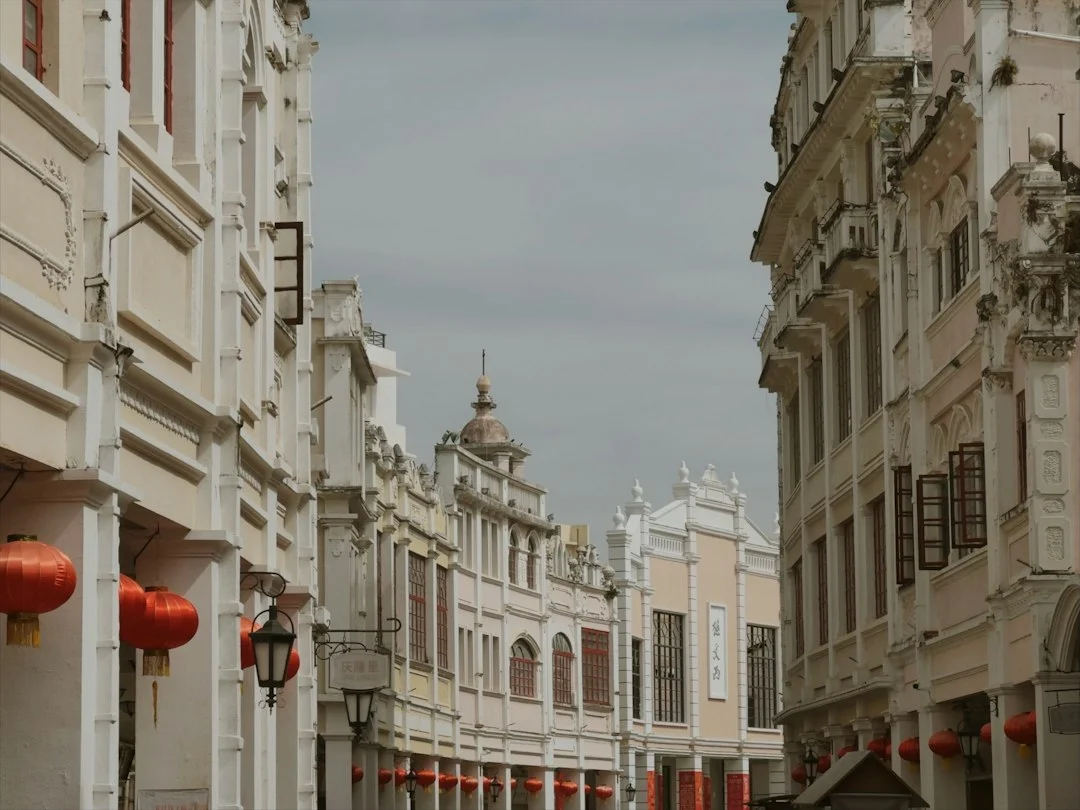
ONYX Hospitality Group’s invitation to explore Phuket and George Town, Penang is more than a travel suggestion; it is a reminder that some of the richest journeys begin where devotion, trade, and daily life overlap. In Thailand and Malaysia, sacred architecture is not an isolated attraction. It is part of the street plan, the food culture, the festival calendar, and the emotional memory of the people who live there. That is why Phuket and Penang heritage travel matters: it lets travelers see two destinations not as postcards, but as living archives.
What makes this pairing so compelling is the contrast. Phuket carries the feel of an island crossroads, where temple spires, Chinese shrines, and neighborhood mosques sit in the same broad cultural landscape. George Town, by contrast, is a dense urban tapestry and a recognized UNESCO World Heritage Site, where sacred places line the streets almost like chapters in a book. Together, they reveal how faith can shape a destination without freezing it in time.
Why sacred landscapes define the trip
In both destinations, religion is not a separate layer added for visitors; it is the grammar of everyday belonging. Theravada Buddhism helps define much of the Thai spiritual landscape, while Islam in Malaysia, Hinduism in Malaysia, Taoism, and Chinese folk religion have long helped shape the rhythms of Penang. The result is not a neat division of identities, but a vibrant coexistence that can be seen in architecture, sound, food, and ritual.
That coexistence matters because it changes how a traveler experiences a place. A temple bell is not just a decorative flourish. A shrine is not just a photo stop. A donation box, a prayer mat, a basket of fruit, or a line of incense sticks tells you who gathers there, when they gather, and what they hope to carry into the future. These are small details, but they are the details that make a destination feel alive.
The most revealing way to read Phuket or Penang is not as a collection of sights, but as a cityscape organized by prayer, procession, and hospitality.
Phuket: island spirituality shaped by migration and merit
Wat Chalong and the rhythm of making merit
Any serious look at Phuket’s cultural identity should begin with Wat Chalong, the island’s best-known temple and one of its most important spiritual anchors. The appeal of a temple like this is not only its beauty, although the layered roofs, polished statues, and gold accents are striking. Its deeper power lies in practice. Locals come to make merit, to pray for good fortune, to honor ancestors, and to mark important moments in life. Visitors who pause long enough to observe will notice that worship here is active, not performative.
That distinction matters. In many travel itineraries, temples are treated as scenic backdrops. In Phuket, they are more often functioning places of devotion where incense smoke, whispered prayers, and the hush of respectful footsteps create an atmosphere that photographs can only partially capture. The visitor who slows down will see how merit-making links religion to daily ethics, family life, and communal hope.
Old Phuket Town and the island’s Chinese sacred heritage
Step away from the temple courtyards and Phuket opens into the lanes of Old Phuket Town, where shop-houses and murals tell the story of commerce, migration, and adaptation. Here the island’s heritage becomes architectural. The pastel facades and narrow streets recall the broader Sino-Portuguese influence that shaped the region, but they also point to a spiritual landscape influenced by settlers, merchants, and their descendants.
In this part of the island, Chinese shrines and local festivals reveal the importance of Phuket Vegetarian Festival, one of the most visually intense and spiritually meaningful events in the area. Rooted in ritual discipline and purification, it demonstrates how belief can govern not only prayer, but food, movement, and identity. For many visitors, this is the moment Phuket stops feeling like a beach destination and starts feeling like a cultural ecosystem.
George Town: a city where religions share the same streets
If Phuket feels like a dispersed island mosaic, George Town feels like a dense, walkable anthology. The streets of Penang and especially George Town are lined with sacred landmarks that reflect centuries of settlement and exchange. This is one reason the city has become a touchstone for heritage tourism in Southeast Asia: it does not present diversity as a slogan, but as a visible urban fact.
From mosque to temple in a single walk
Few city walks are as revealing as the route between Kapitan Keling Mosque, the Sri Mahamariamman Temple, and the Kuan Yin Temple. In just a few blocks, the traveler moves through Islamic, Hindu, and Chinese devotional worlds, each with its own visual language and etiquette. Minarets, gopurams, incense coils, carved doorways, and prayer offerings are not competing gestures; they are neighbors in a shared civic landscape.
This is where George Town’s character becomes unforgettable. It is not merely multicultural in the abstract. It is tactile, audible, and inhabited. The city offers a lesson in coexistence that is especially powerful because it is visible at street level, where vendors, worshippers, and passersby occupy the same urban frame without collapsing into sameness.
Pilgrimage, festivals, and the city in motion
George Town’s religious calendar adds another dimension to that story. Events such as Thaipusam transform streets into corridors of devotion, while Chinese New Year brings lanterns, offerings, and family reunions into public view. The climb to Kek Lok Si, one of the region’s most important Buddhist complexes, reminds visitors that Penang’s spiritual geography is not limited to the center of the city. It extends into hillside sanctuaries and pilgrimage routes that connect urban life with contemplation.
In a place like this, heritage is not a static preservation project. It is renewed every time a procession moves forward, a prayer is offered, or a family returns to the same street year after year. That is why George Town is often described as a living heritage city rather than a museum piece.
A comparison that makes the pattern clearer
When viewed side by side, Phuket and Penang reveal two different expressions of the same idea: sacred life as the foundation of place. One is island-based and more diffuse; the other is compact and intensely walkable. One blends temple culture with Chinese festival traditions and neighborhood shrines; the other folds mosques, temples, and clan histories into a tight urban grid. The differences are instructive because they show that heritage travel is not one formula. It is a way of reading the landscape.
| Theme | Phuket | George Town, Penang |
|---|---|---|
| Religious texture | Theravada Buddhist temples, Chinese shrines, Muslim communities | Mosques, Hindu temples, Buddhist sites, Chinese clan and shrine culture |
| Signature heritage feel | Island crossroads with Old Phuket Town as a historic core | Compact UNESCO-listed streets with layered urban heritage |
| Best way to experience it | Slow exploration, temple visits, and festival timing | Walking routes that link sacred sites, markets, and shophouses |
| What stands out most | Merit-making, ritual color, and island adaptability | Religious coexistence, street-level heritage, and civic memory |
Food as devotion, diplomacy, and memory
It would be impossible to discuss these destinations without their food cultures, because in Southeast Asia cuisine is often one of the most accessible expressions of belief. The countless stalls and markets associated with street food are not just places to eat. They are places where religious rules, family history, and neighborhood economics meet. In Penang, halal food, vegetarian dishes, and Chinese-influenced recipes can exist within a few steps of one another. In Phuket, festival foods and temple offerings reveal how ritual and appetite can coexist.
This is especially true in communities shaped by the descendants of the Peranakan people, whose culture sits at the intersection of Chinese and local Southeast Asian traditions. Food in these contexts is never only about flavor. It is also about memory: who prepared the dish, when it is served, and what obligation or blessing it carries.
For travelers, this means a meal can function as a cultural reading exercise. A vegetarian dish may reflect ritual abstention. A halal stall may reflect shared community standards. A festival snack may point to seasonal observance. If you travel with curiosity, food becomes a map of belief.
How to visit sacred places respectfully
The etiquette is simple, but it matters. In places where religion is lived rather than staged, respect is part of the experience, not a side note. A thoughtful visitor will usually find that courtesy opens more doors than curiosity alone.
- Dress modestly. Cover shoulders and knees where required, especially in temples and mosques.
- Remove shoes when asked. Follow local practice without hesitation.
- Keep voices low. Sacred spaces are active places of worship, not social lounges.
- Ask before photographing people. Ritual is personal, and not everyone wants to be part of a tourist frame.
- Do not interrupt prayers or ceremonies. Observe from a respectful distance unless invited closer.
- Carry small cash for donations. If a site accepts offerings, contributing thoughtfully is a meaningful gesture.
These habits do more than avoid offense. They change the quality of the visit. The traveler who behaves respectfully is more likely to notice details, speak with locals, and leave with a richer understanding of place.
Why cultural travel is the smartest form of destination storytelling
From a destination perspective, the real opportunity in Phuket and Penang is not to replace beaches or food tourism, but to deepen them. Cultural travel gives context to the vacation economy. It helps explain why certain streets matter, why certain festivals attract local devotion, and why architecture is worth preserving. It also creates a more durable relationship between visitors and place, because it encourages learning rather than consumption alone.
That said, there are risks. When heritage becomes too marketable, it can be flattened into spectacle. A shrine can become a backdrop. A procession can become a product. Local residents can be pushed into the role of performers in their own neighborhoods. The challenge for hospitality brands, tour operators, and travelers is to avoid turning living traditions into themed experiences.
The better model is community-led cultural tourism: small-group walks, locally guided heritage routes, sensitive photography, and spending that flows to neighborhood businesses rather than only to large attractions. In that model, visitors are not passive consumers. They become temporary participants in a shared civic space.
Frequently asked questions
What is the best time to visit Phuket and Penang for cultural experiences?
The best timing often depends on festivals. If you want to see ritual energy at its peak, plan around major religious or cultural events such as the Phuket Vegetarian Festival or Thaipusam in Penang. If you prefer quieter exploration, the shoulder seasons are often better for walking, lingering, and talking to local guides.
Are sacred sites in Phuket and Penang open to visitors?
Many are, but access varies by site and by ceremony. Some places welcome visitors throughout the day, while others restrict entry during prayer or special rites. Always check signage, observe local behavior first, and ask if you are unsure.
How should visitors dress in temples and mosques?
Modest clothing is the safest choice: covered shoulders, knee-length or longer bottoms, and footwear that can be removed easily. In some mosques, women may be asked to cover their hair. Carrying a light scarf is a practical solution.
Is George Town better for heritage architecture than Phuket?
They offer different kinds of heritage. George Town is denser, more urban, and especially rich in walkable architecture. Phuket offers a more island-based heritage experience, where Old Phuket Town and temple sites are spread across a broader landscape. The better choice depends on whether you prefer compact city exploration or a more diffuse cultural route.
What makes Phuket and Penang strong cultural destinations?
Their strength lies in the way sacred sites, neighborhood life, and food culture reinforce each other. You are not visiting a single monument. You are entering a system of meaning that is still being lived by local communities every day.
The question worth carrying home
The deepest lesson from Phuket and Penang is not simply that they are beautiful, though they are. It is that beauty here is inseparable from continuity. Temples remain meaningful because people still pray in them. Mosques matter because they still organize communal life. Heritage streets endure because residents still inhabit them, not just photograph them.
That leaves travelers with a useful question. In the years ahead, will cultural tourism deepen the life of places like these, or will it reduce them to curated scenery? The answer will depend on what visitors reward. If they choose slower travel, local guides, respectful behavior, and genuine curiosity, then destinations like Phuket and Penang can remain what they are at their best: places where faith, architecture, and everyday life continue to speak to one another in public.
And perhaps that is the real invitation hidden inside the journey: to visit not only with eyes open, but with attention sharpened enough to notice how a city prays, how it eats, how it remembers, and how it welcomes.
Frequently Asked Questions
What makes George Town, Penang, feel different from Phuket as a heritage destination?
George Town feels denser and more layered, with sacred sites embedded in a UNESCO-listed urban grid. Instead of a more spread-out island setting, you encounter temples, mosques, and shrines along ordinary streets, often close to shops and homes. That makes the heritage feel especially immediate, as if history is still unfolding around daily life.