
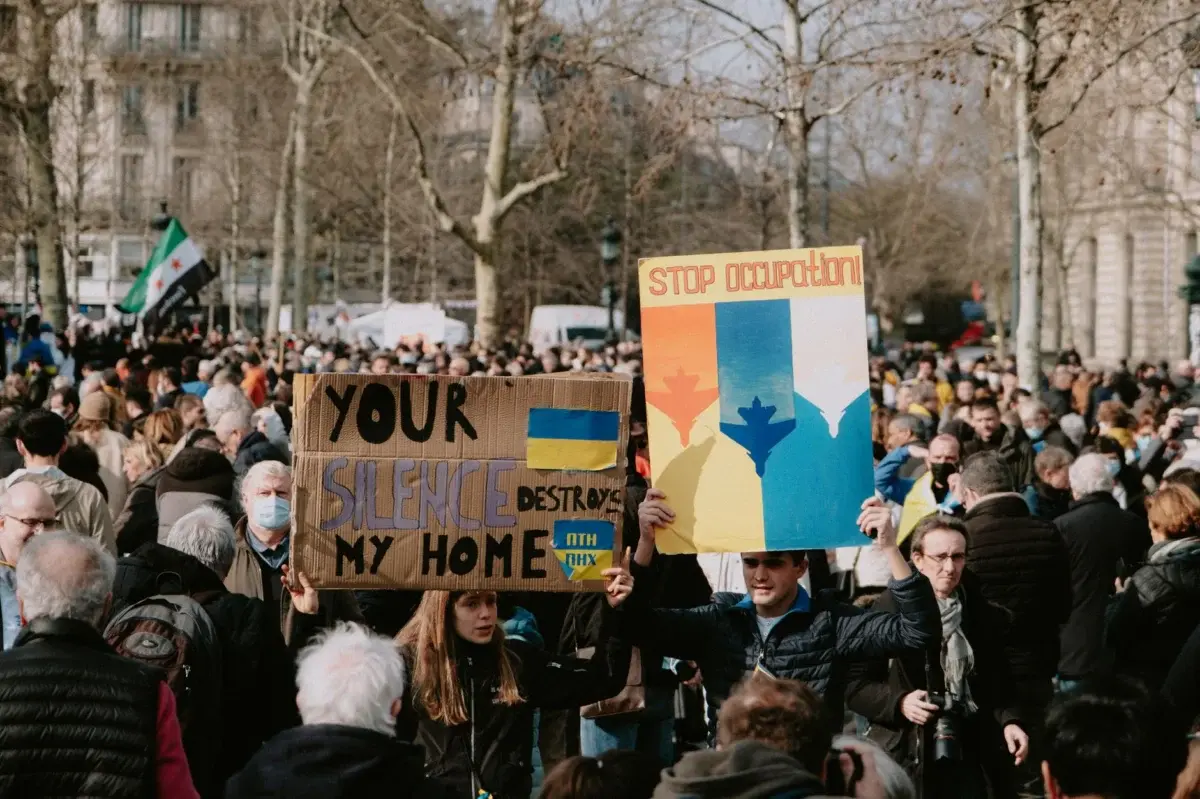
France spent Saturday walking a narrow line between protest and disorder. Hundreds of thousands joined cost of living marches across the country, voicing anger over household budgets strained by inflation, energy bills, and daily expenses. In Paris, what began as a largely peaceful march ended under a heavy security presence after some groups escalated. Elsewhere, clashes helped push arrests close to 1,000 nationwide. Interior Minister Laurent Nuñez later said the marches went well, a phrase that sounded both reassuring and politically loaded.
Why these marches struck a nerve
In France, the street is not just a backdrop to politics; it is one of politics’ main stages. The country’s tradition of protest and demonstration is deeply rooted, from labor mobilizations to spontaneous civic anger. But the message this weekend was especially sharp because it touched the most intimate part of public life: the weekly shop, the heating bill, the rent, the commute.
That is why cost-of-living anger is different from a purely partisan rally. It is a pocketbook revolt. When families feel squeezed, even modest price rises can become symbols of neglect. In that atmosphere, the Yellow vests protests remain a powerful reference point, reminding officials that economic frustration can move rapidly from grievance to street action.
- Higher prices turn ordinary expenses into political flashpoints.
- Low trust in institutions makes crowd control more delicate.
- Visible policing can calm a march or intensify it, depending on the moment.
When a march becomes a security story
Once a crowd fragments, a demonstration can tip into civil unrest or even a riot. That shift matters because the state must move from managing a march to containing damage. In France, the French National Police and the Gendarmerie Nationale are trained for public-order operations, but no modern police service can eliminate uncertainty when large and emotionally charged crowds move through city centers.
The hard part is that law enforcement in France has to balance two goals at once: protecting the right to protest and preventing looting or property destruction from defining the entire day. Too little intervention can look like weakness. Too much can make peaceful demonstrators feel criminalized. That is why public-order decisions are as much about judgment as they are about numbers.
‘The marches went well,’ Laurent Nuñez said, a line that framed the day around containment rather than chaos.
What the government’s message is really saying
The wording from the Interior Ministry is revealing. By emphasizing that the marches went well, the government was not claiming victory over price pressures. It was signaling that the state had preserved control. In the logic of the French Fifth Republic, that is a significant distinction: order itself is a political asset.
Officials know that public confidence often depends on whether they appear calm, prepared, and proportionate. A strong security response can reassure commuters and shop owners. Yet it can also deepen suspicion among activists and unions if it appears to treat legitimate anger as a threat. That tension is why trade groups, especially trade unions, often insist on clear communication before major marches. They want the public to see the issue as social and economic, not simply disruptive.
France in a wider European pressure cooker
The unrest also fits a broader pattern across Europe, where inflation, wages, and energy costs have made households more sensitive to any sign of drift. The precise triggers vary by country, but the emotional core is similar: people feel that essential life is becoming more expensive faster than politics can respond. That makes every march larger than its own route through the city.
For policymakers, the lesson is uncomfortable but unavoidable. Economic grievances do not stay neatly in ministries or spreadsheets. They spill into the streets, where they become visible, noisy, and harder to manage. In moments like this, the difference between a protest and a crisis can be only a few broken windows and a few thousand angry footsteps apart.
What to watch next
The most important question now is not whether France can police another weekend of marches; it is whether the social anger behind those marches will cool or compound. Watch for three signals: whether the government offers any meaningful relief on prices or wages, whether unions keep their distance from the violent fringe, and whether future gatherings stay peaceful enough to keep the debate focused on living standards rather than disorder.
If the next few weeks bring only tougher policing, the political argument may harden. If they bring a credible response to household pressure, the street may lose some of its charge. The unanswered question is simple but profound: can a democracy preserve the right to protest while preventing a small minority from turning economic frustration into urban chaos?
Frequently asked questions
Why are people protesting the cost of living in France?
Because many households feel squeezed by rising prices for food, energy, transport, and housing. The issue is practical, immediate, and easy to mobilize around.
Why did the protests lead to so many arrests?
Reports of clashes, vandalism, and crowd fragmentation pushed police toward mass arrests in several cities. Once public order breaks down, authorities often act quickly to prevent further escalation.
Are all cost-of-living protests in France violent?
No. Most demonstrations are peaceful. The difficulty is that a small group can generate images that overshadow the larger, nonviolent crowd and shape public perception.
Frequently Asked Questions
Why did the government describe the marches as having “gone well” if there were nearly 1,000 arrests nationwide?
Because the government was judging the day mainly by whether it kept control of public order, not by whether the protests disappeared. In this context, “went well” means the state contained disorder, limited escalation in most places, and avoided a broader breakdown. It is a political message about stability, not a statement that the underlying anger was resolved.
Why are cost-of-living protests in France treated differently from other kinds of demonstrations?
They are seen as different because they are rooted in everyday survival rather than party politics. When people protest rent, energy bills, or groceries, the issue touches household life directly. That makes the anger broader and harder to dismiss as ideological. It also means the protests can attract people who normally do not mobilize around political causes.
How can a largely peaceful march suddenly become a security problem?
A march can change quickly when a smaller group breaks away, confronts police, or starts damaging property. Once that happens, the demonstration is no longer just a protest route through the city; it becomes a public-order operation. Authorities then have to protect both the right to demonstrate and the surrounding area from looting or vandalism.
Why does visible policing sometimes calm protests and sometimes make them worse?
Visible policing can reassure the public that the state is in control, especially if tensions are already high. But if protesters see the response as excessive, it can deepen suspicion and escalate anger. The effect depends on timing, crowd mood, and whether police actions appear proportionate. That is why public-order policing is so dependent on judgment.
What makes the Yellow vests movement such an important reference point in this article?
The Yellow vests are a reminder that economic frustration in France can spread rapidly from private hardship to mass street action. They showed how fuel prices and living costs can turn into a broader rejection of neglect or unfairness. That memory makes officials particularly alert whenever inflation and household pressure bring large crowds into the streets.
Why do trade unions care so much about how these marches are framed?
Unions want the public to see the protests as a social and economic response to hardship, not as general disorder. If the narrative becomes one of violence or chaos, the original grievance can be lost. Clear communication helps preserve legitimacy, attract support from ordinary citizens, and reduce the risk that the movement is treated purely as a policing issue.