
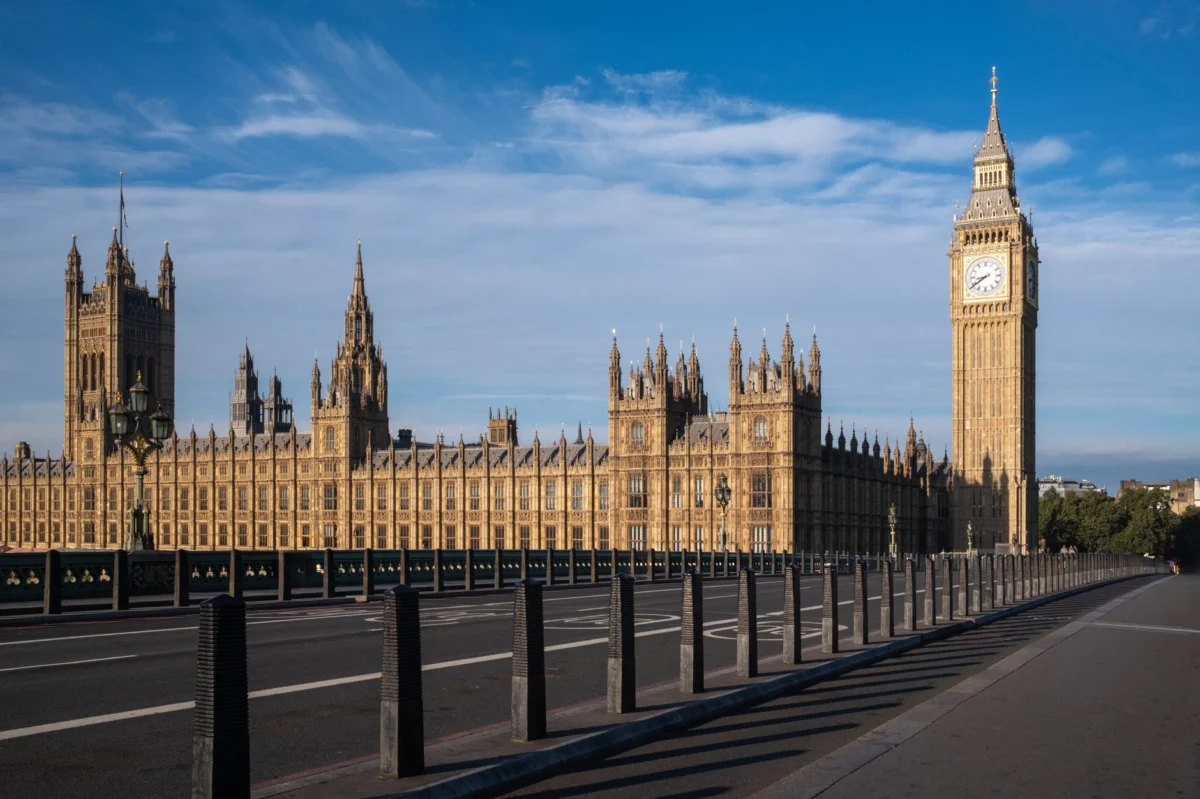
A Westminster gossip newsletter is not just a vanity product for political obsessives; it is a pressure gauge for power. In the narrow streets around Westminster, where the Parliament of the United Kingdom meets in the House of Commons and House of Lords, rumour can move faster than a minister’s statement and sometimes faster than a newsroom can verify it. The latest access push for Guido Whispers, the members-only arm of Guido Fawkes, is a reminder that political information now travels in layers: public reporting, insider briefings, and the half-lit murmur of the lobby. Understanding why that matters means understanding the machinery of Westminster politics, the habits of political journalism, and the strange power of a story that may be true, useful, misleading, or all three at once.
At its best, a Westminster gossip newsletter gives readers a sharp, intimate sense of the mood inside the political machine. It may not offer the clean structure of a policy brief, but it often captures the emotional weather: who is said to be panicking, which faction is rising, which minister is making enemies, and which whisper is beginning to harden into a headline. That is why the format matters. A newsletter can feel personal in a way a newspaper cannot, while a blog can feel unruly and immediate. A gossip newsletter sits somewhere in between, packaging inside-baseball politics into a product that is both a commodity and a ritual.
What a Westminster gossip newsletter really is
To dismiss political gossip as trivial is to misunderstand how power works. In Westminster, gossip is often the first rough draft of institutional knowledge. It is not the same as verified reporting, but it is rarely random. The better versions of this format filter the daily noise of British politics, select the fragments that seem meaningful, and present them with enough confidence to make readers feel they are hearing the room before the room has spoken aloud.
That matters because political systems depend on information asymmetry. A minister, a whip, a backbencher, a special adviser, and a lobby correspondent may all be looking at the same event, yet each sees a different version of it. The newsletter thrives in that gap. It turns proximity into narrative, and narrative into influence. In the language of gossip, it is less about idle chatter than about social sorting: who matters, who is isolated, and who is suddenly dangerous.
The emotional hook of exclusivity
The deepest appeal of a members-only bulletin is not just information; it is status. Readers are not merely consuming content, they are buying a feeling of access. That is especially potent in politics, where proximity to power is currency. The promise is simple: if you are inside the list, you are closer to the real story than the public is.
This is why formats like Guido Whispers can be so sticky. They blend the personality-driven energy of a political blog with the immediacy of a newsletter and the social pleasure of being let in on the joke. The result is a product that can influence the wider ecosystem even when it never reaches mass audiences directly.
Why the whispers travel so quickly through Westminster
Proximity breeds speed
Westminster is not just a building complex; it is a theatre of repeated encounters. In a system shaped by the Westminster system, people are constantly crossing paths in corridors, committee rooms, tea points, lifts, and bars. That density of contact helps explain why rumours gain traction so quickly. A tip shared in passing can be repeated by three people before the first official response is drafted.
That speed is intensified by the culture of the political press. The traditions of political journalism reward freshness, timing, and a feel for what is coming next. A smart gossip newsletter can therefore act like a weather vane, registering shifts before formal coverage catches up. It does not replace verified news, but it often telegraphs where the next fight will be.
Agenda-setting before the headlines
Communication scholars use agenda-setting theory to describe the way repeated coverage shapes what the public thinks is important. Westminster whisper media works in a similar way, except the audience is often political insiders, journalists, and highly engaged readers rather than the general electorate. The effect is subtle but real: by surfacing one factional dispute, one looming resignation, or one mood change, the newsletter nudges attention toward a topic that may soon dominate the wider news media.
What appears here today appears in the papers tomorrow.
That boast is not merely bravado. It points to a familiar dynamic in political communication: the first version of a story is often provisional, but once it has been repeated in the right circles, it becomes easier for others to treat it as inevitable. In the public sphere, repetition can create legitimacy even before certainty arrives.
| Format | Strength | Risk | Best use |
|---|---|---|---|
| Formal news report | Verification and balance | Can arrive after the political moment has moved on | Public understanding and record-keeping |
| Westminster gossip newsletter | Speed, intimacy, and insider texture | Rumour can outrun confirmation | Early signal detection and mood reading |
| Official briefing | Clarity and institutional authority | Strategic framing and omission | Understanding the official line |
The Guido Whispers model: subscription, status, and the business of access
The move toward member-only access reveals something important about the economics of political attention. If the free web rewards volume, the paid newsletter rewards exclusivity. That is especially true for outlets that sit at the edge of commentary, satire, and reporting. The Guido Fawkes brand has long traded in sharp elbows and comic hostility, but a premium bulletin changes the equation: it turns the whisper into a product with recurring value.
That commercial shift is not unique to politics, but politics gives it extra charge. A reader may subscribe to a film newsletter for taste, or a finance newsletter for utility, but a political insider bulletin offers something more volatile: the sense that information itself is power. In the language of media studies, this is not simply content distribution; it is the management of access, authority, and audience expectation.
It also complicates the relationship between satire and seriousness. A Guido Fawkes-style platform can mock the political class while simultaneously shaping how that class is discussed. A joke can land like a warning. A snide aside can become the frame through which a whole story is read. That is why these outlets should never be judged only by their tone. The tone may be playful, but the effect can be institutional.
Why journalists and politicians pay attention anyway
Even those who dislike this genre often monitor it closely. Why? Because in politics, the first sign of trouble rarely looks official. It looks like chatter. It looks like a pattern of identical hints from different corners. It looks like a name appearing too often. A seasoned reader does not ask,
Frequently Asked Questions
How is a Westminster gossip newsletter different from ordinary political journalism?
Ordinary political journalism is usually built around verification, attribution, and a public-facing narrative. A Westminster gossip newsletter works differently: it trades in proximity, tone, and signals from inside the political machine. It may contain unconfirmed material, but it often captures the mood, alliances, and anxieties around power earlier than formal reporting does.
Why would serious readers pay for political gossip that may not even be fully true?
Because the value is not only in factual certainty. Readers are often paying for access to the political atmosphere: who is nervous, who is gaining influence, and which story is about to become important. Even when a whisper is incomplete, it can still be useful as an indicator of where Westminster attention is shifting.
Can a members-only newsletter really shape politics, or does it just describe it?
It can do both. A members-only newsletter may not directly change policy, but it can influence what insiders talk about, what journalists chase, and what factions in Westminster believe is happening. In a politics system driven by reputation and timing, shaping perceptions can be nearly as powerful as shaping events.
Why do rumours spread so fast in Westminster compared with other political capitals?
Westminster is unusually dense and social: MPs, advisers, lobby journalists, and officials constantly cross paths in corridors, bars, lifts, and committee spaces. That repeated contact creates a fast-moving information network. A comment shared casually can be repeated, reframed, and amplified before any official response has time to catch up.
How should a reader tell the difference between a useful whisper and a misleading one?
A useful whisper usually has context, pattern, and consistency with what else is happening in the system. A misleading one tends to be vague, overconfident, or detached from broader political incentives. Readers should treat gossip as a lead, not a conclusion: valuable for spotting pressure points, but not a substitute for verified reporting.