
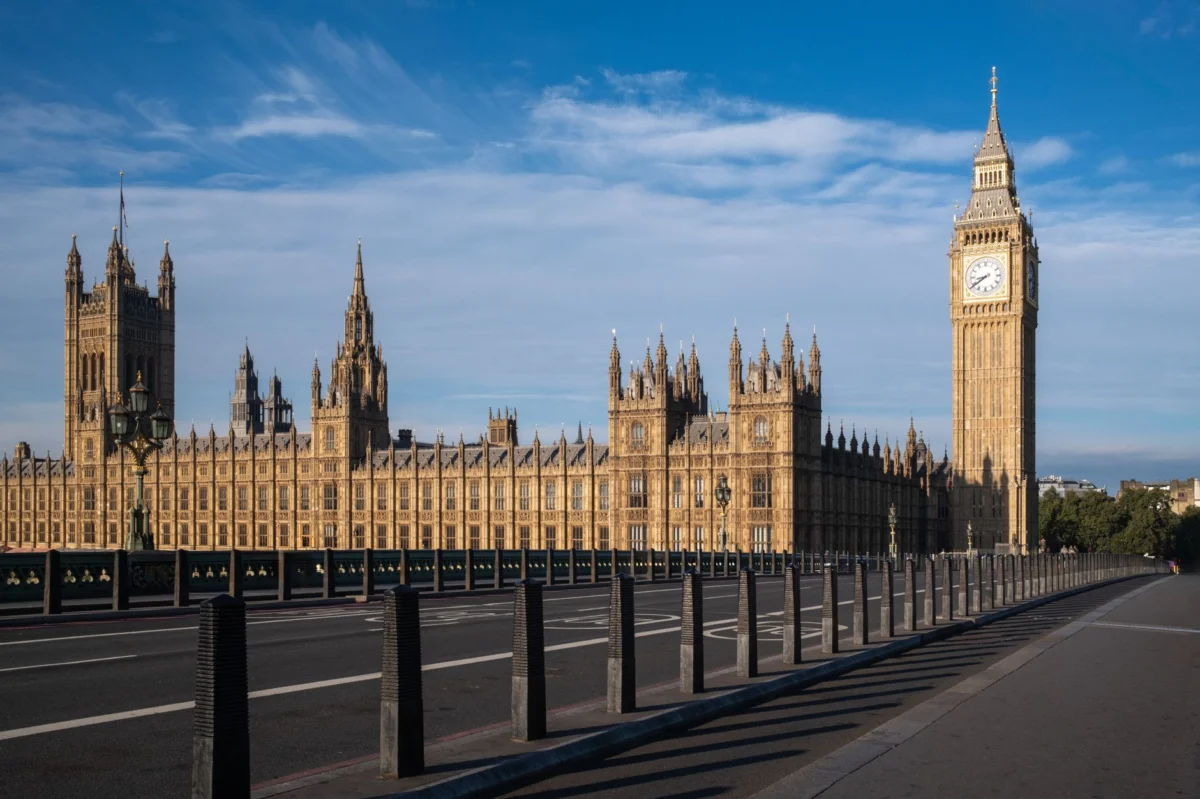
The latest noise around Andy Burnham Brexit criticism is more than Westminster gossip. It exposes a familiar British habit: treating one political misstep as a symptom of a much deeper realignment. Burnham, the Andy Burnham story does not belong to a single city, a single party, or even a single argument about Brexit. He sits at the junction of the Labour Party (UK), the changing politics of the North, and the unfinished business of devolution in the United Kingdom. When a figure like that stumbles, the fallout is never just personal; it changes how people read the whole story of opposition politics, regional power, and who looks ready to govern.
This matters because Brexit has never truly left the stage. It still shapes arguments about sovereignty, trade, migration, public services, and trust in institutions. It also keeps dragging local leaders into national rows, especially when they move between Manchester, London, and the media circuit that thrives on quick judgments. What looks like a side conversation in the political commentariat becomes a clue about Labour, the Conservatives, the Greens, and the mood inside 10 Downing Street.
Why Andy Burnham Brexit criticism lands so hard
Burnham is not a backroom councillor who can disappear after a bad week. He is a high-profile mayor of one of Britain’s most important city-regions, and that makes his words carry weight far beyond Greater Manchester. The mayoral role itself is a product of modern regional politics, and that means every public line Burnham takes can be read as a test of whether local authority can also project national seriousness.
That is why a Brexit botch stings more than a routine slip. Burnham has built part of his appeal on authenticity, force, and the sense that he speaks with the grain of places that feel overlooked by the centre. Yet authenticity is a fragile asset. The moment a politician seems vague, contradictory, or careless on a defining national issue, the same quality that once felt like honesty can start to look like improvisation.
There is also a deeper reason this row matters in Manchester and beyond. The city-region has long been associated with reform, self-confidence, and a strong civic identity. Burnham’s politics are inseparable from that mood. When his messaging falters, it is not only his own reputation that takes a hit; it is the broader idea that local leaders can outgrow the old Westminster script.
In politics, a small blunder often matters less for what it changes immediately than for what it reveals about discipline, judgment, and ambition.
Brexit never really left British politics
It is tempting to treat Brexit as yesterday’s argument, but that would misunderstand how modern British politics works. The referendum did not end the debate; it reset it. The dispute over the relationship between the United Kingdom and the European Union still shapes the language of competence, fairness, borders, and economic confidence. It also left behind a political culture in which every phrase gets read for hidden meaning.
That is where political communication becomes so important. Modern campaigns are judged not only on policy but on tone, rhythm, and message coherence. A leader can be technically correct and still lose the argument if the public senses uncertainty. Brexit intensified that dynamic because it rewarded slogans while punishing nuance. The result is a political environment in which even local leaders are forced to act like national narrators.
The constitutional backdrop matters too. Westminster still sets the terms of the argument, but the argument is no longer contained by Westminster. The House of Commons may host the formal clashes, yet public mood now travels through local media, social platforms, and regional identities with remarkable speed. That is why Burnham’s stumble becomes a national story so easily.
What the episode’s politics reveal about Labour
For Labour, the challenge is not one embarrassment. It is message discipline. Keir Starmer has tried to present the party as serious, managerial, and safe enough for office. Burnham’s style is more emotional, more insurgent, and more rooted in the politics of place. Those two approaches do not automatically clash, but they do create tension when the same party wants both credibility and fire.
That tension matters because Labour is still trying to assemble a coalition wide enough to win and coherent enough to last. If the party looks split between technocratic caution and regional theatre, its opponents will pounce on the gap. If it looks too cautious, it risks losing the energy that made it competitive in the first place. If it looks too loose, it risks reviving the old critique that Labour can talk power without fully exercising it.
| Actor | Immediate effect | Longer-term risk |
|---|---|---|
| Andy Burnham | More attention, but under harsher scrutiny | National credibility damage if the message feels careless |
| Labour | Opportunity to show discipline | Exposure of internal tensions between styles and factions |
| Conservatives | A quick attack line and a chance to talk about competence | Difficulty sustaining the attack if their own message is weak |
| Greens | Another opening to capture frustrated voters | Pressure to turn protest energy into lasting support |
This is why the phrase Labour Brexit strategy still matters even after years of supposedly moving on. The party cannot simply declare the issue dead. It has to show voters that it understands why Brexit remains an emotional and constitutional fault line, even when the immediate headlines have changed.
Why the Conservatives keep talking about a conference bounce
The right’s instinct in moments like this is to turn every misstep by an opponent into proof that the government, or the opposition, remains unready. That is why the idea of a Conservative Party (UK) Conservative Party Conference bounce stays such a persistent talking point. A good conference can create momentum, improve media tone, and briefly lift morale. But a bounce is not the same as a reset.
In British politics, the conference bounce is often as much about presentation as policy. The theatre matters because the media needs a narrative and activists need a lift. Yet short-lived enthusiasm rarely fixes deeper structural problems. If the government is struggling in the polls, a polished set-piece will not erase months of fatigue. If the opposition is confused, a bad line from one of its stars will not define the whole year. The bounce is real, but it is also fragile.
That fragility is why the chatter inside No. 10 always carries so much weight. Briefings, leaks, and whispered rivalries are not just gossip; they are the machinery through which the government tries to project strength. When Rishi Sunak or any prime minister is under pressure, every sign of movement gets magnified. A conference bounce can buy time, but only if it is backed by a story the public is willing to believe.
For readers trying to separate spin from reality, the best official reference points remain the UK Parliament for constitutional context and the Electoral Commission for the rules and structure of election life. The noise around a conference may be loud, but the institutional picture changes much more slowly.
The Greens are the quiet beneficiaries of disillusionment
The other story running underneath all this is the rise of the Green Party of England and Wales. When the big parties look tired, sloppy, or overly managerial, the Greens often become the place where protest finds a cleaner expression. They benefit from voter frustration not because they always dominate the debate, but because they can look principled when everyone else looks tactical.
That is especially important in a political system shaped by first-past-the-post logic, where voters often think strategically rather than sentimentally. Some choose the Conservatives to block Labour. Some choose Labour to block the Conservatives. Others look for a party that lets them express anger without embracing chaos. The Greens occupy that emotional middle ground, particularly among younger and urban voters.
The question is whether that visibility turns into durability. Many parties can ride a mood; fewer can convert it into long-term strength. The Greens need more than frustration to keep growing. They need organisation, local roots, and a compelling answer to the charge that protest is easier than governing.
What strategists should watch next
The real value of this political episode is that it reveals the pressure points all at once: leadership discipline, regional credibility, national messaging, and the competition for disillusioned voters. If you want to understand where the story goes next, watch the following signals:
- Whether Burnham tightens his message or continues to speak like a political entrepreneur rather than a national operator.
- Whether Labour can keep its different voices aligned around one clear story.
- Whether the Conservatives can turn conference energy into a credible public case, rather than just another week of staged confidence.
- Whether the Greens keep converting frustration into visible gains in local politics and polling.
- Whether opinion shifts after the headlines fade, or whether the same fault lines reappear in the next news cycle.
That last point matters more than most spin rooms admit. A single awkward comment can disappear in a week. A pattern of awkwardness is different. Political brands are built on repetition, and they are damaged by it too.
Frequently asked questions
What is meant by Andy Burnham Brexit criticism?
It refers to scrutiny of Burnham’s Brexit-related messaging or judgment, especially when a public appearance or comment invites questions about whether he is as sharp nationally as he is locally. It is less about one isolated mistake and more about the impression that mistake creates.
What is a conference bounce in UK politics?
A conference bounce is the short-term improvement in a party’s polling, media coverage, or internal morale after its annual conference. It can matter, but it usually fades unless the party follows it with discipline and substantive momentum.
Why do the Greens keep appearing in these discussions?
Because moments of frustration often push voters toward smaller parties that feel cleaner, more principled, or less compromised. The Green Party of England and Wales can gain attention whenever the larger parties look stale or overmanaged.
Why does Burnham matter beyond Greater Manchester?
He matters because he is one of the clearest examples of how local power can create national ambition. As mayor of Greater Manchester, he is not just administering a city-region; he is helping define what post-devolution leadership looks like in Britain.
The real test is whether the centre can still hold
The deepest lesson in all of this is not that one politician made a mistake. It is that British politics still struggles to reconcile authenticity with discipline, especially after Brexit rewrote the emotional grammar of public life. Burnham’s critics see a blunder; his supporters see a noisy overreaction. Both may be partly right. The important question is whether the episode remains a passing embarrassment or becomes evidence of a wider problem in how Labour speaks to the country.
Watch the polling, but do not worship it. Watch the conference speeches, but do not confuse them with governing. Watch the Greens, because frustration has to go somewhere. And watch Burnham, because figures like him often tell us more about the mood of the country than the country admits about itself. The unanswered question is whether the next major shift in British politics will come from the centre at all, or from the gap between local power, national ambition, and a public that has stopped believing polished scripts.
Frequently Asked Questions
Why does a Brexit criticism of Andy Burnham matter if Brexit is no longer the main political issue in the UK?
Because Brexit still shapes how voters judge competence, trust, and leadership. Even when it is not the top campaign topic, it acts as a shorthand for wider frustrations about the economy, migration, sovereignty, and institutions. A misstep from a figure like Burnham therefore becomes a test of whether Labour can speak clearly to both post-Brexit and regional concerns.
Why is Andy Burnham judged more harshly than a typical local politician on this issue?
Burnham is not seen as just a Manchester mayor; he is treated as a potential national Labour figure. That means his statements are read as signals about the party’s readiness to govern. Because he has built a reputation on authenticity and seriousness, any confusion on Brexit can look less like a small error and more like a weakness in judgment.
How does devolution change the importance of Burnham’s Brexit remarks?
Devolution gives mayors and regional leaders more visibility, but it also raises expectations that they can bridge local and national politics. Burnham’s role in Greater Manchester makes his position especially symbolic: if he sounds inconsistent, critics can frame that as proof that devolved power still lacks the discipline or coherence to challenge Westminster effectively.
Is this criticism mainly about Burnham personally, or about Labour’s wider strategy?
It is both, but the wider concern is Labour’s strategy. Burnham’s reputation is tied to the party’s attempt to win back trust in post-industrial and northern areas without alienating more cautious voters elsewhere. A public stumble on Brexit can expose tensions in Labour’s messaging about identity, competence, and how it speaks to different parts of the country.
Why do regional politics in Manchester make this story bigger than a standard Westminster row?
Manchester has become a symbol of civic confidence, reform, and the idea that local leaders can project national authority. Burnham embodies that image. So when he is criticised over Brexit, it affects not only his personal standing but also the broader claim that major city-regions can offer a credible alternative to centralised Westminster politics.