
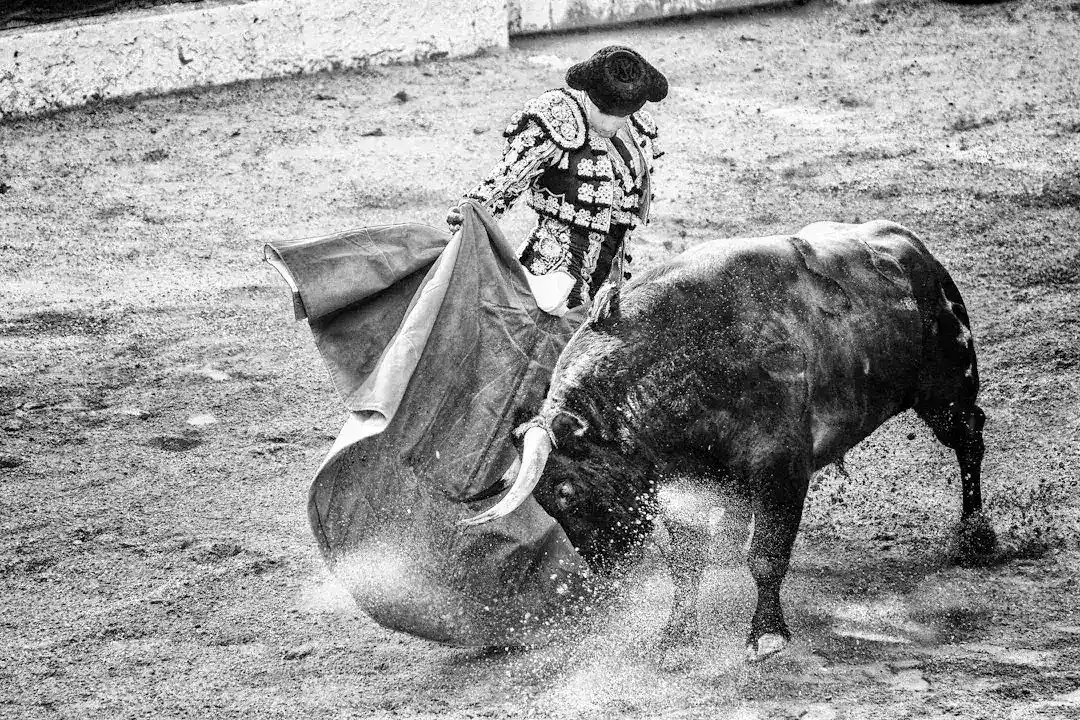
The Ohio rodeo fatality is not just another local tragedy; it is a blunt reminder that bull riding safety is a question of physics, medicine, and event management at the same time. Jason Blake Saylor, 35, was thrown and stomped by a bull despite wearing chest protection. That sequence matters because it shows the central weakness of bull riding: a rider can execute the ride correctly and still be exposed to severe trauma when a bull changes direction, loses balance, or steps onto a fallen body. In other words, the sport is built around controlled chaos inside a rodeo, and the margin for error is small. This analysis is useful because it separates the headline from the mechanism: what failed, what gear can actually do, and what the industry still tends to underestimate.
What the incident reveals beyond the headline
Reports from the Ohio show describe a rider thrown from the animal’s back and struck on the ground in front of spectators. The crowd saw the visible part of the injury; the unseen part was the internal damage that can follow a heavy impact to the chest. That distinction matters. In high-energy accidents, the most dangerous injuries are often not the dramatic ones people can see, but the ones that silently progress inside the body: thoracic trauma, rib fractures, and internal bleeding.
The larger lesson is that rodeo injury prevention cannot rely on toughness or experience alone. A rider’s skill lowers risk, but it does not erase the physics of mass and momentum. That is why a serious injury at a local event matters to the entire industry, from family-run county fairs to high-profile sanctioning bodies.
Bull riding is built on instability, not control
Bull riding is an unusual sport because the athlete is not trying to dominate the opponent so much as survive a timed sequence of violent motion. A typical bucking bull twists, rises, kicks, and lunges with unpredictable timing. The rider’s job is to stay centered, maintain rope control, and avoid being pitched forward or backward. But once the rider leaves the bull’s back, the risk profile changes immediately: the body becomes a low, stationary target in a fenced arena.
That is why comparisons to other contact sports often miss the point. In football or hockey, the field of motion is bounded by rules and bodies of similar size. In rodeo, the power differential is extreme. The athlete is exposed to an animal that can weigh several hundred kilograms and move with explosive force. Even when the event feels choreographed, it is still a contest against an animal that cannot be instructed into predictable behavior.
This is where tradition matters. Rodeo evolved from working livestock skills, but modern performance rodeo has turned those skills into a timed, public spectacle. That shift creates a tension: the crowd expects speed and danger, while safety teams must plan for a worst-case fall every time the chute opens.
Why protective gear helps, and why it can still fail
Modern personal protective equipment in rodeo is designed to reduce the severity of impact, not eliminate it. A chest protector can distribute a blow across a wider surface area and reduce localized force on the sternum and ribs. It cannot, however, stop a rider from being compressed between the ground and an animal’s weight or protect every angle of the torso.
That limitation is central to understanding sports medicine in rodeo. The medical problem is not only impact; it is impact plus rotation plus compression. In a severe fall, a rider may suffer chest wall damage, organ trauma, or respiratory compromise even when outward injuries look modest. The body can fail internally before the scene looks catastrophic.
A chest protector is a mitigation device, not a guarantee. It can reduce blunt-force damage, but it cannot neutralize every crushing or stomping injury.
The same logic applies to helmets, mouthguards, and padding. Each layer lowers one set of risks while leaving others intact. The question for organizers is not whether gear makes the sport safe in an absolute sense. It does not. The real question is whether the gear meaningfully shifts the odds in the rider’s favor and whether the event does enough elsewhere to close the remaining gaps.
| Safety layer | What it helps with | What it cannot fully prevent |
|---|---|---|
| Chest protector | Blunt impact to the sternum, ribs, and upper torso | Crush injury, stomping force, internal bleeding |
| Helmet and face protection | Head trauma and facial cuts | Torso compression and lower-body injury |
| Arena design and barriers | Cleaner separation of people and livestock | Unpredictable animal movement |
| Medical standby | Faster treatment after a fall | Cannot reverse catastrophic trauma instantly |
These layers matter because fatal incidents are rarely caused by a single failure. They are usually the result of several partial failures lining up at once: the rider is thrown, the bull steps in the wrong direction, the timing is bad, and the injury pattern overwhelms what the gear can absorb.
Emergency response is part of bull riding safety, not an afterthought
When a rider is down, the arena response should be as rehearsed as the ride itself. This is where emergency medical services, on-site medics, and the personnel often known as rodeo clowns or bullfighters become part of the safety system. Their role is not comic relief; it is to redirect the bull, protect the rider, and reduce the time between injury and treatment.
In severe trauma, speed matters because a patient may need airway support, bleeding control, or transport to a trauma center. If a rider loses consciousness or arrests, cardiopulmonary resuscitation may be required before transport. The difference between a recoverable injury and a fatal one can come down to whether that chain is smooth, practiced, and immediate.
This is the part of rodeo that spectators rarely evaluate, but regulators and insurers should. The event is not only the ride. It is the medical plan, the egress path, the communication system, and the speed at which the arena can be cleared. Those are basic occupational safety and health questions, even if the work is happening inside a sporting arena.
The real policy debate: tradition, consent, and standardization
Rodeo culture often treats risk as part of the bargain. That does not make the risk acceptable on its own; it simply means the sport accepts a level of danger that many others would reject. The hard question is how much of that danger is inherent and how much is preventable. Sanctioning bodies such as Professional Bull Riders and local event organizers do not face the same constraints, which is why safety standards can vary from venue to venue.
Some experts argue for stronger mandatory gear, stricter pre-ride checks, and more consistent medical staffing. Others worry that over-regulation will drive riders to less formal events where oversight is weaker. That is a credible concern, but it is not an argument for inaction. In practice, a sport that depends on unpredictable animals cannot pretend that tradition alone is a safety system.
The debate also intersects with animal welfare, though the two issues are not identical. Critics of rodeo often focus on the treatment of bulls; supporters focus on rider autonomy, tradition, and livelihood. The safety lesson from this fatality is narrower and clearer: when human beings enter the arena, organizers owe them a rigorously engineered response to predictable hazards.
There is also a business reality behind the debate. Stronger standards can raise costs, but weak standards can produce lawsuits, insurance pressure, and reputational damage after a serious injury. The cheapest safety measure is often the one that is established before the crowd arrives, not the one purchased after a tragedy.
What stronger rodeo injury prevention looks like in practice
If the industry wants to reduce fatal outcomes, it needs more than symbolic safety language. Effective rodeo injury prevention is procedural, measurable, and repeatable.
- Mandatory, properly fitted protective gear for every rider, not just those who choose it voluntarily.
- Pre-event equipment inspection for chutes, fencing, gates, and release mechanisms.
- Dedicated medical coverage with a rehearsed trauma protocol and direct access to transport.
- Clear arena separation so responders can reach a rider without delay.
- Incident review after every serious injury to identify equipment, timing, or staffing failures.
- Rider education on fall mechanics, body positioning, and post-fall escape.
None of these steps removes the core danger of bull riding. They do, however, reduce the chance that one accident becomes a fatality. That distinction matters. Safety in a high-risk sport is not about pretending the risk is gone. It is about making the sport less unforgiving when the inevitable bad sequence arrives.
The most useful reforms are usually the least glamorous: better fit checks, more disciplined communication, tighter emergency drills, and clearer responsibility when multiple vendors or organizers share a venue. Those are not headline-friendly changes, but they are the ones most likely to save a rider’s life.
Frequently asked questions about bull riding safety
How dangerous is bull riding?
It is one of the highest-risk forms of competitive riding because it combines a large animal, explosive motion, and a rider positioned directly on top of the animal. The exact risk varies by event, skill level, and safety protocol, but the sport remains inherently hazardous even for experienced riders.
Can a chest protector stop fatal injuries?
No. A chest protector can reduce the severity of blunt-force trauma, but it cannot prevent every crushing injury, stomp, or internal injury. It is one layer in a broader safety system, not a complete shield.
What should a rodeo organizer have in place before the ride starts?
At minimum: trained medical staff, a clear arena evacuation plan, inspected equipment, a way to separate the bull from a downed rider, and communication procedures that work under pressure. If any of those pieces are missing, the event is accepting avoidable risk.
The next test for rodeo safety standards
The most important insight from this tragedy is that rodeo safety will not be improved by one new vest, one more rule, or one public statement. The next real gain will come from combining protective equipment, arena engineering, medical readiness, and better reporting of serious incidents. That is the direction the sport will likely be pushed if insurers, sanctioning bodies, and riders themselves decide that avoidable fatalities are not an acceptable cost of admission.
The open question is how fast that change will happen. If the industry keeps treating safety as a rider’s individual responsibility, then each event will continue to depend on luck layered over skill. If it treats safety as a system, then the next generation of riders may still accept danger, but they will do so inside a structure that has fewer blind spots. The difference is not cosmetic. In a sport measured in seconds, it may decide whether the next fall is survivable.
Frequently Asked Questions
Why can a rider be badly injured even if the bull ride itself seemed successful until the end?
Because the most dangerous moment is often the dismount or fall, not the ride itself. A rider can stay on for the full eight seconds and still be thrown into the path of the bull, where a single step, twist, or stomp can cause chest trauma, fractures, or internal injury. The visible ride outcome does not reflect the medical severity.
Does a chest protector actually prevent fatal injuries in bull riding?
It helps reduce blunt-force damage, but it cannot make the sport safe. A chest protector can spread force across a wider area and lower the risk of direct rib or sternum injury, yet it cannot fully protect against crushing pressure, rotation, or being stepped on by an animal weighing several hundred kilograms.
Why are internal injuries such a concern when the external injury may not look severe?
High-energy trauma can damage organs, blood vessels, or the chest wall without dramatic surface wounds. A rider may appear conscious or only lightly bruised while still suffering rib fractures, lung injury, or internal bleeding. That is why rodeo accidents require rapid medical assessment even when the visible injuries seem limited.
What can rodeo organizers do to reduce risk beyond giving riders protective gear?
Safety depends heavily on event design and emergency response. Organizers can improve arena layout, place medical staff close to the chute, ensure quick animal control after a fall, and use protocols for immediate trauma evaluation. Protective gear helps, but faster response and better scene management can determine how severe an injury becomes.
Does more experience make bull riding safe enough to avoid incidents like this?
Experience lowers risk by improving balance, timing, and body position, but it cannot remove the unpredictability of the animal. A skilled rider can still be thrown by an unexpected movement or step into a vulnerable position. In bull riding, expertise reduces exposure, but it does not eliminate the basic physics of a fall.