
Singapore’s tourism story is being rewritten around a powerful idea: pair the scale of a global payments network with the storytelling muscle of a national tourism board. The new Singapore tourism marketing partnership between Visa Inc. and the Singapore Tourism Board is not just a ceremonial memorandum of understanding. It is a three-year effort to shape discovery, sharpen targeting, and strengthen brand preference for Singapore as a destination that can deliver both business efficiency and sensory delight.
That matters because modern tourism is no longer driven only by airports and hotel inventory. Travelers are influenced by search results, social proof, frictionless digital payment experiences, and the promise that a city will feel intuitive the moment they land. Visa, whose brand is built on payment acceptance and trust, and STB, which is responsible for destination promotion and visitor growth, are meeting in the middle of that decision-making chain.
Why the timing makes strategic sense
Singapore has always competed on more than scenery. Its advantages are a dense mix of safety, transport, language access, and a polished urban environment. That makes it a natural canvas for destination marketing, especially when campaigns can highlight the city-state’s culinary range, late-night energy, and precision logistics. The country is also one of the world’s most recognizable hubs for business travel, transit, and meetings, incentives, conferences and exhibitions traffic, which means leisure and corporate demand often overlap rather than compete.
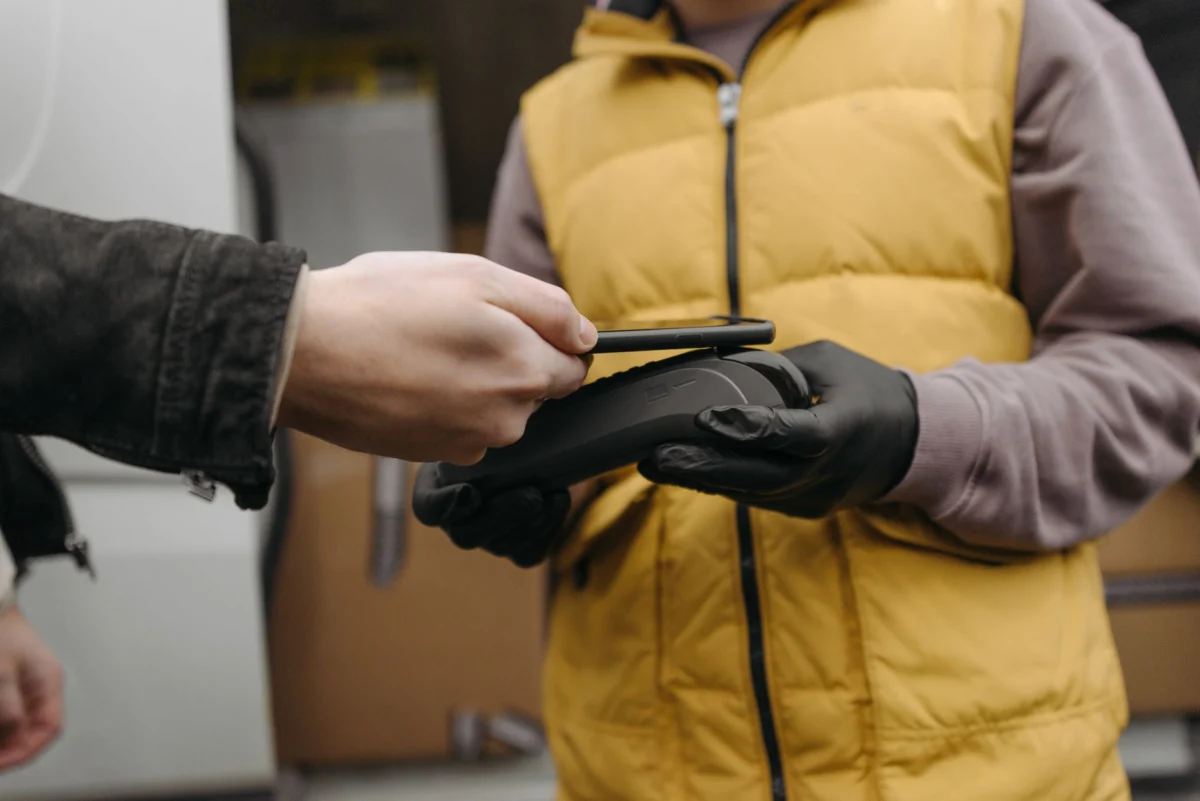
The partnership also reflects a broader shift in travel marketing. Visitors increasingly expect a city to be not only beautiful, but also effortless to navigate. In contactless payment ecosystems, travelers notice whether they can tap and move on. They notice if a city feels globally connected. That is where Visa can contribute something beyond a payment rail: a global lens on behavior patterns, consumer confidence, and merchant acceptance.
How the Singapore tourism marketing partnership works
STB and Visa have framed the collaboration around three pillars: driving discovery of Singapore’s tourism products, deriving insights to identify high-value tourism opportunities, and developing co-branded marketing campaigns. On paper, that sounds straightforward. In practice, each pillar touches a different part of the traveler journey, from inspiration to conversion to repeat advocacy.
| Pillar | What it unlocks | Why it matters |
|---|---|---|
| Discovery | More visibility for dining, nightlife, and local experiences | Helps travelers see beyond the obvious landmarks |
| Insights | Better understanding of spending patterns and visitor value | Supports smarter targeting and campaign planning |
| Co-branded campaigns | Shared storytelling with broader reach | Builds trust while reinforcing destination preference |
1. Driving discovery of Singapore’s tourism products
The first pillar is about showing travelers what they might otherwise miss. Singapore already has iconic anchors such as Marina Bay Sands, Sentosa, and the skyline around Orchard Road, but the partnership’s real value may lie in spotlighting experiences that feel local, vivid, and shareable. Food is central here. The city’s hawker centre culture is not merely a budget dining option; it is part of Singapore’s identity, a living expression of migrant histories, everyday habits, and culinary pride.
Nightlife and after-dark culture are equally important. When marketers talk about the night-time economy, they are referring to a chain of restaurants, bars, shows, retail, and public spaces that extend visitor value beyond daylight hours. Places such as Clarke Quay make sense as campaign imagery because they signal energy, convenience, and atmosphere. For a city that must compete for limited travel time, telling a compelling nighttime story can be the difference between a short stopover and a fuller stay.
2. Deriving insights to identify high-value opportunities
This is perhaps the most interesting part of the deal. Tourism boards have always used surveys, hotel data, and arrivals statistics. But payments data can reveal something more granular: where travelers spend, what categories grow after a campaign, and which precincts or experiences attract the highest-value audiences. That does not mean tracking individuals. Responsible use should rely on aggregated, anonymized patterns rather than personal identities.
At a strategic level, this kind of analysis helps answer difficult questions. Are premium travelers clustering around fine dining and luxury retail? Do weekend visitors spend differently from conference delegates? Does a campaign drive more visits to attractions, or simply shift spending from one district to another? These questions matter because tourism success is not just a headcount contest. It is about yield, satisfaction, and the quality of the economic footprint.
For STB, data-informed destination strategy can also help balance the city. If one district is overcrowded while another remains under-discovered, campaign budgets can be adjusted. If a particular market segment responds strongly to wellness, food, or entertainment, creative can be tailored more precisely. That is the promise of combining destination marketing with payment intelligence: less guesswork, more relevance.
3. Developing co-branded marketing campaigns
Co-branded campaigns work when each brand brings a different kind of trust. Visa brings transactional familiarity and global reach. STB brings destination credibility and local authority. Together, they can tell a story that feels both aspirational and practical. A strong campaign is not just an ad; it is a promise that the trip will be smooth from search to checkout.
This is where creative discipline matters. Co-branding fails when it becomes a logo swap. It succeeds when the story feels native to the destination and useful to the traveler. In Singapore’s case, that could mean campaigns centered on culinary itineraries, night-out guides, limited-time dining festivals, or itineraries tied to major events. The most effective work will likely avoid generic tourism imagery and instead focus on lived experiences: ordering late-night noodles, tapping into transport, moving from a rooftop bar to a riverside supper, or booking a high-end meal after a business meeting.
The real prize is not simply more arrivals. It is better-matched visitors who spend thoughtfully, move confidently, and leave with a stronger memory of the city.
A closer look at why Singapore fits this model
Singapore’s built environment gives this partnership an unusually strong foundation. As a compact and highly connected city, it is easier to tell a coherent visitor story than in a sprawling country with fragmented transport or uneven service standards. The city also benefits from a powerful international gateway in Changi Airport, which has long been associated with efficient transfers and premium airport experience.
There is also a cultural dimension. Singapore is not a one-note destination. It can be read as a financial center, a family-friendly stopover, a food capital, a shopping city, or a conference hub. That flexibility is valuable because the same traveler may engage with different layers of the city on different trips. The partnership can therefore support multiple motivations at once, from leisure escapes to meetings, incentives, conferences and exhibitions attendance.
In practice, this matters because visitor preferences are increasingly segmented. A first-time visitor may want iconic views from the Singapore Flyer, while a repeat visitor may care more about neighborhood experiences in areas like Little India or Kampong Glam. The art of modern tourism promotion is to surface the right layer of the city at the right time.
Why data is powerful, and why it has limits
Experts in data analytics will recognize the appeal of payment-based insights. They are timely, often behavior-based, and useful for measuring campaign lift. But there are limits. Not all traveler value is visible through card spending, especially in mixed-payment markets or among visitors who prefer cash for smaller purchases. There is also a risk of overfitting strategy to what can be measured most easily rather than what matters most.
That is why the best tourism intelligence blends sources. Payment data should sit alongside hotel occupancy trends, flight capacity, attraction attendance, social listening, and qualitative research. In other words, the partnership is strongest when it adds depth to the evidence base rather than replacing everything else. Used wisely, it can help identify trends in dining, retail, and entertainment. Used narrowly, it could overemphasize affluent spending and underplay the emotional reasons people choose a destination.
Privacy is another important boundary. A trusted tourism data program must be transparent about aggregation, consent frameworks, and compliance. Visitors are often willing to share behavior when the value exchange is clear, but any perception of surveillance can damage brand trust faster than it builds it. For that reason, responsible data use should remain a visible part of the conversation, not an afterthought.
What tourism marketers can learn from the Singapore approach
The most practical lesson is that tourism marketing works best when it connects inspiration with infrastructure. A strong ad can spark desire, but a smooth payment experience, a clear transport system, and a usable merchant ecosystem turn desire into satisfaction. That is why a payments company and a tourism board can be surprisingly effective partners.
- Segment by behavior, not just geography. Travelers who come for food, events, or luxury shopping may respond to different creative and different timing.
- Promote neighborhoods, not only landmarks. A destination becomes more memorable when it feels navigable at street level.
- Measure what happens after the click. Campaign reach is useful, but actual on-the-ground spending patterns matter more.
- Design for repeat visits. Great destinations do not only win first-time arrivals; they build loyalty.
Professionals watching this partnership should also think about brand architecture. Visa is not selling a hotel room or an attraction ticket. It is helping make the entire trip feel smoother. STB is not merely promoting scenery. It is selling confidence, discovery, and the promise that every neighborhood can be part of the story.
Potential risks: where the model can stumble
Any public-private tourism campaign carries risks. One is over-targeting premium segments at the expense of broader appeal. Another is concentrating attention on a small set of heavily promoted precincts, which can intensify crowding and flatten the diversity of the destination. A third is campaign fatigue: if every travel message sounds the same, even strong branding can lose its edge.
There is also a competitive risk. Other destinations in Asia-Pacific are investing heavily in digital engagement, event-driven tourism, and seamless travel experiences. If Singapore wants this partnership to stand out, the campaigns will need to feel distinctively Singaporean rather than generically urban. That means authentic local food narratives, credible cultural texture, and experiences that cannot be copy-pasted elsewhere.
Finally, the real test will be whether insights translate into behavior. A report can look impressive, but if it does not lead to more meaningful visits, stronger merchant participation, or better traveler satisfaction, the strategic value fades. That is why measurement must be tied to outcomes, not just activity.
What to watch as the partnership evolves
Over the next few years, watch for three developments. First, the campaigns may become more personalized, with messaging tailored to different source markets and traveler motivations. Second, the insights component may deepen, giving STB a more precise picture of where high-value travel demand is forming. Third, the partnership could influence how Singapore positions dining and nightlife, not as side attractions but as core reasons to visit.
If the collaboration succeeds, it could become a template for how destinations and payment brands work together in the era of digital payment, data-informed marketing, and experience-led travel. If it falls short, the likely reason will not be a lack of technology. It will be a failure to translate data into a story that feels emotionally true to the city.
For readers who want to follow the organizations behind the partnership, the primary reference points are the official sites of Visa Singapore and the Singapore Tourism Board. Those pages will be the best places to track future announcements, campaign details, and destination priorities.
Frequently asked questions about the Singapore tourism marketing partnership
What is the Visa and Singapore Tourism Board partnership meant to do?
It is designed to strengthen Singapore’s appeal as a travel destination by promoting tourism products, using insights to identify valuable visitor opportunities, and launching co-branded campaigns that build preference for both brands.
Why are dining and nightlife such a big focus?
Because they are high-value, high-memory experiences. Food and after-dark activities help travelers stay longer, spend more diversely, and remember the destination as a lived experience rather than a checklist.
How can payment data improve tourism marketing?
Aggregated payment data can reveal spending patterns, category growth, and traveler behavior after campaigns. That helps marketers refine targeting, assess campaign effectiveness, and identify neighborhoods or experiences with untapped potential.
Will this change how visitors pay in Singapore?
Not overnight. But partnerships like this can reinforce acceptance, normalize contactless habits, and make the travel experience feel more seamless for visitors who already expect digital convenience.
The real measure of success will be whether Singapore feels more discoverable
The deepest insight in this partnership is that tourism competition is no longer only about beauty or even price. It is about legibility. Can a visitor quickly understand what a city offers, trust that the experience will be smooth, and discover layers beyond the obvious? That is where the marriage of tourism, destination marketing, and Visa’s payment ecosystem becomes strategically interesting.
Singapore has already proven that it can be both efficient and magnetic. The question now is whether this partnership can turn efficiency into emotion at scale. If it can, the city will not just attract more travelers; it will invite them to stay curious longer, spend more intentionally, and return with a stronger sense that Singapore is not simply a place to pass through, but a destination to keep rediscovering.
Frequently Asked Questions
Why is a payments company like Visa involved in tourism marketing at all?
Because travel decisions are increasingly shaped by the entire visitor journey, not just advertising. Visa can contribute insight into spending behavior, merchant acceptance, and traveler confidence, while STB contributes destination expertise. Together, they can make Singapore feel easier to discover, easier to pay in, and more attractive to travelers who value convenience as much as experience.
What does "deriving insights" actually mean in this partnership?
It means using aggregated data and behavioral patterns to understand which visitor segments are most valuable, what they spend on, and where demand is strongest. That can help STB and Visa identify better-targeted campaigns, prioritize specific experiences or markets, and support tourism products that generate higher value rather than just more foot traffic.
Will this partnership mainly benefit big attractions and luxury tourism?
Not necessarily. While major landmarks may feature in campaigns, the article suggests a strong emphasis on local experiences such as hawker centres, nightlife, and neighborhood dining. Those are precisely the kinds of offerings that can benefit smaller businesses, because they help travelers look beyond headline attractions and spend more across the city.
How could co-branded marketing change the way travelers perceive Singapore?
Co-branded campaigns can do more than promote a destination; they can reinforce trust. When a globally recognized payments brand is paired with a national tourism board, Singapore may be seen as more reliable, seamless, and internationally connected. That can matter for travelers comparing destinations with similar attractions but different levels of convenience and confidence.
Why is the night-time economy such a big focus in the article?
Because a strong night-time offer extends the value of each trip. If visitors stay out later for food, entertainment, shopping, or social activities, they are likely to spend more and stay longer. For Singapore, this is a smart way to compete for limited travel time and encourage a stopover to become a fuller visit.