
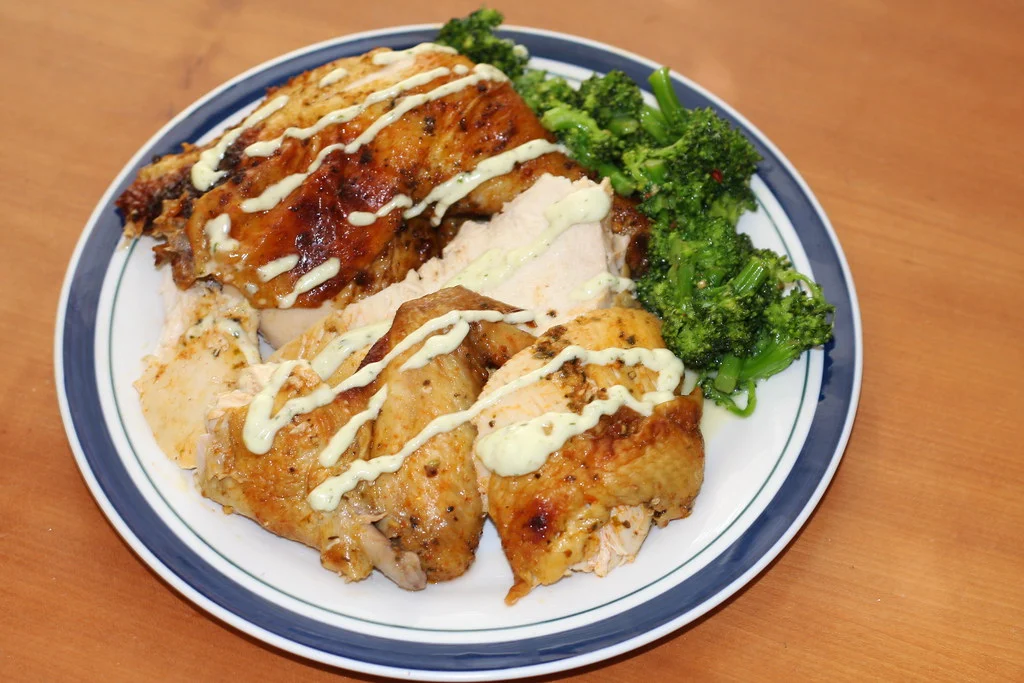
The best chicken thigh recipes are not popular by accident. They work because chicken thigh meat is structurally different from the leaner breast: it has more fat, more connective tissue, and far more tolerance for heat. That makes it the most forgiving cut in everyday chicken as food, and one of the most useful answers to the problem of getting reliable dinner on the table. In other words, the appeal is not just flavor; it is control.
Why chicken thighs outperform flashier dinner cuts
In culinary terms, chicken meat from the thigh behaves like dark meat should: it stays juicy under roasting, braising, grilling, and pan-searing because the muscle fibers are built for movement. The cut comes from the thigh, so it carries more flavor and more internal resilience than a boneless breast. That is why chicken thigh dishes dominate weeknight cooking and why they scale so well from simple skillet dinners to rich saucy plates.
This also reflects the economics of modern poultry farming: chicken is expected to be affordable, fast, and versatile. Thighs meet those expectations without asking the cook to thread a needle between dryness and underdevelopment. The result is a cut that can survive aggressive seasoning, aggressive heat, or both.
Bone-in versus boneless is a method choice, not a moral one
Bone-in thighs are better when the goal is depth, structure, and slower heat transfer. Boneless thighs are better when speed matters. Skin-on thighs excel when you want crisping and the Maillard reaction to do real work. Skinless thighs fit saucy formats where the pan juices matter more than surface crackle. The recipe should determine the cut, not the other way around.
The cooking methods that matter most
Most strong chicken thigh recipes rely on one of four method families. Each has a distinct payoff and a predictable failure mode.
| Method | Best use | Why it works | Main risk |
|---|---|---|---|
| Roasting | Bone-in, skin-on thighs with herbs or citrus | High, dry heat creates browned skin and concentrated flavor | Underseasoned skin and crowded pans |
| Braising | Onions, wine, tomatoes, stock, or coconut milk | Moist heat softens connective tissue and builds sauce | Soft skin if crispness is the goal |
| Grilling | Marinated thighs with bold seasoning | Smoke, char, and fat-driven flavor | Flare-ups and uneven cooking |
| Cast-iron cookware | Skillet sears and pan sauces | Excellent heat retention produces consistent browning | Pan crowding that blocks searing |
The 16 recipe formats that keep earning repeat status
The strongest chicken thigh recipes are not random. They cluster around a few repeatable structures that manage moisture, fat, and browning with unusual efficiency.
- Roasted garlic thighs deliver maximum surface flavor with minimal technique.
- Lemon-herb sheet-pan thighs use acidity and dry heat to keep the meat bright rather than heavy.
- Crispy skillet thighs reward patience at the stovetop and produce a superior pan sauce.
- Braised onion and wine thighs borrow from classic French logic: soften, reduce, and finish glossy.
- Barbecue-glazed thighs work because barbecue sauce tolerates the thigh’s richer fat profile.
- Teriyaki thighs succeed when the sweet-salty glaze is balanced instead of cloying.
- Paprika and chili thighs depend on bold spice rather than complicated marinades.
- Curry braised thighs turn connective tissue into tenderness while the sauce absorbs flavor.
- Honey mustard thighs balance sweetness, acidity, and browning in one move.
- Tomato-olive thighs lean into savoriness and acidity, especially in Mediterranean-style cooking.
- Soy-ginger thighs use umami-forward seasoning to make the cut taste deeper than it is.
- Garlic butter thighs are effective because fat carries aroma and browning amplifies it.
- Chicken thigh casserole is the most practical family format when the goal is one-pan convenience.
- Grilled chili-lime thighs bring heat, acid, and char into a compact package.
- Sous-vide finished thighs target precision first, then finish with a fast sear.
- Stir-fried thigh pieces are the fastest route when the chicken is cut small and cooked hot.
That list reveals the real pattern: the best versions are not defined by novelty, but by how cleanly they manage fat and surface browning. A recipe fails when it asks thighs to behave like a dry, delicate protein. It succeeds when it treats them as a robust ingredient that benefits from time, heat, and a strong flavor backbone.
How flavor actually builds on the pan
Good thigh recipes usually begin with marination, not because every marinade penetrates deeply, but because salt, acid, and aromatics improve surface behavior. A little olive oil helps heat transfer and browning. Garlic, paprika, and lemon are not ornamental; they are structural. They create an aromatic layer that survives roasting and grilling better than delicate herbs alone.
Techniques that look rustic are often the most disciplined. A proper pan sear in cast-iron cookware is not just about color. It is about heat retention, vapor management, and keeping the skin in contact with a hot surface long enough to release fat. That is why skin-on thighs can taste more polished than many restaurant chicken dishes: the flavor comes from physical process, not garnish.
With chicken thighs, the margin for error is wider, but not infinite. The difference between excellent and merely acceptable usually comes down to browning, not exotic ingredients.
Safety and doneness are not optional
Even forgiving cuts have limits. Food safety still matters, and chicken should reach a safe cooking temperature before serving. Thighs are more forgiving than breasts, but they are not exempt from basic hygiene or proper heating. That is especially important in recipes that use slow braising, stuffing, or dense marinades. If the center stays undercooked, the sauce cannot rescue it.
This is where precise technique beats instinct. A thermometer does more for consistency than any secret ingredient. For higher-end execution, sous-vide offers control, but most home cooks do not need it. A properly seared thigh, finished gently in the oven, will outperform a complicated method done badly.
FAQ: what readers actually need to know
Are chicken thighs better than breasts for weeknight dinners?
Usually, yes. They are more forgiving, more flavorful, and less likely to dry out if you are distracted for a few minutes.
Should I choose bone-in or boneless thighs?
Choose bone-in for roasting, grilling, and braising. Choose boneless for quick skillet meals, stir-frying, or weeknight speed.
Why do some recipes call for skin-on thighs?
Because the skin contributes crispness, fat rendering, and better browning. Skinless thighs make sense when the sauce is doing the heavy lifting.
Can chicken thighs work in global recipes?
Absolutely. They are excellent in curry, teriyaki, and stir frying because the cut stands up to assertive seasoning and quick heat.
The real lesson behind the best chicken thigh recipes
The lasting value of chicken thigh recipes is not that they are cheap or easy, although they are both. It is that they reward competence without demanding perfection. That makes them unusually modern: adaptable to budget pressure, flexible enough for sauce-heavy cooking, and durable under high heat. The next wave of thigh recipes will probably not come from new ingredients so much as from sharper technique, faster equipment, and tighter control over browning versus moisture. The unanswered question is simple: in a crowded dinner culture, will cooks keep treating chicken thighs as a backup protein, or will they finally recognize them as the most dependable main course on the table?
Frequently Asked Questions
What internal temperature should chicken thighs reach so they stay juicy but are still safe to eat?
Chicken thighs are more forgiving than breast, so they can be cooked a little higher without drying out. For food safety, aim for at least 165°F/74°C, but many cooks prefer 175°F/80°C to 185°F/85°C for bone-in thighs because the connective tissue has time to soften and the meat becomes more tender.
When should I choose bone-in thighs instead of boneless thighs?
Choose bone-in thighs when you want deeper flavor, better moisture retention, and a more forgiving cook during roasting or braising. Boneless thighs are better when speed matters or when you want easy slicing for stir-fries, wraps, or quick skillet meals. The right choice depends more on method than on taste alone.
Why do some thigh recipes call for skin-on thighs, while others specifically avoid the skin?
Skin-on thighs are ideal when crisping and browning are part of the dish, especially in roasting or pan-searing. Skinless thighs work better in sauces, curries, and braises where the meat is meant to absorb flavor rather than provide a crispy surface. The skin adds texture, but it can soften in wet cooking.
Can I use chicken thighs in recipes designed for chicken breast without changing the method?
Often yes, but not always without adjustment. Thighs tolerate longer cooking and stronger seasoning, so they usually need less worry about dryness but may benefit from slightly longer time to render fat and develop flavor. In quick breast recipes, thighs can sometimes need a bit more browning time or sauce reduction.
How do I keep chicken thighs from turning greasy or overly heavy in rich recipes?
Balance the richness with acidity, herbs, or spice. Lemon, vinegar, tomatoes, mustard, soy, or wine can cut through the fat and keep the dish bright. Also avoid overcrowding the pan, which traps rendered fat and steam instead of letting the thighs brown properly.