
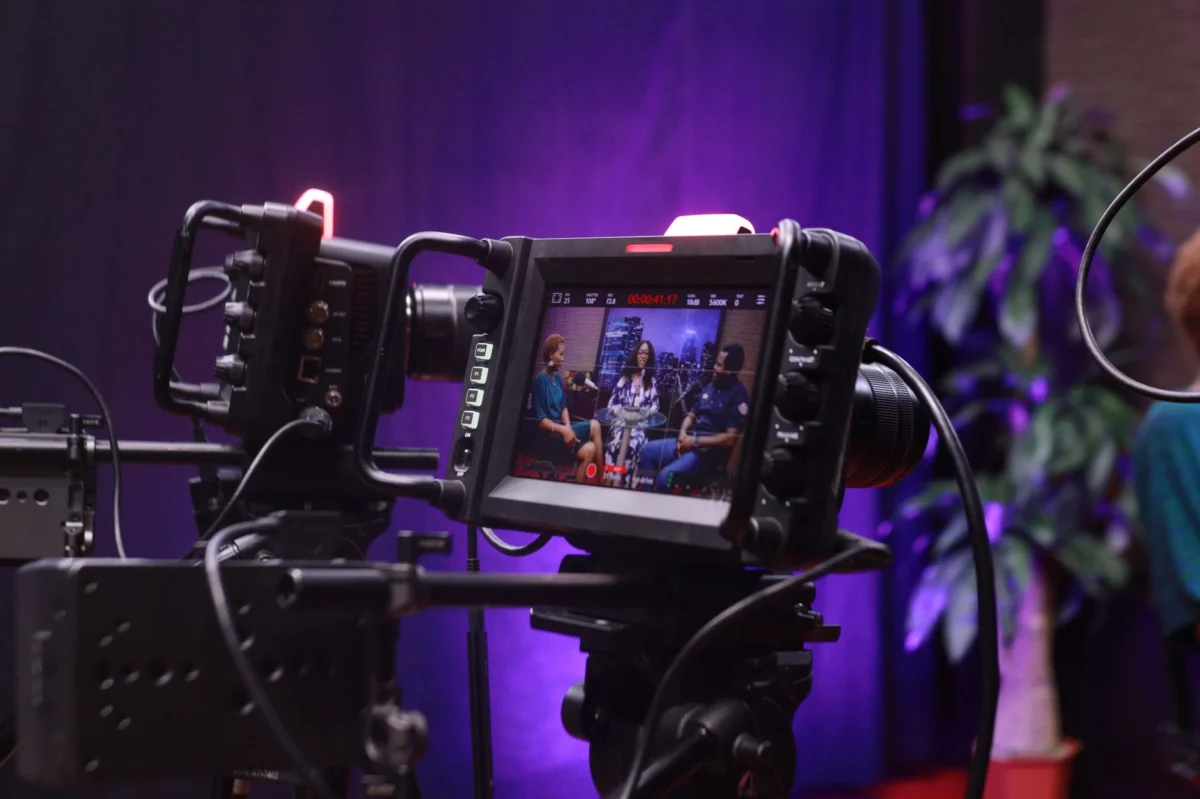
The Guido Fawkes Show sits at the point where politics, performance, and digital media collide. In a Westminster culture that once depended on the morning paper, the rolling news loop, and the clipped party statement, a live political show feels different: looser, sharper, and far more immediate. When an episode brings together a shadow housing secretary and a polling strategist, it is not just filling airtime. It is staging a conversation about power, messaging, and the public mood in real time.
That matters because the modern political audience rarely consumes news in one place or one format. It may start with a blog, shift to podcast clips, and end in a live stream argument on social media. The Guido Fawkes brand has always thrived on that movement. Named after Guy Fawkes, it borrows the energy of political mischief and turns it into commentary that is fast, theatrical, and usually closer to the smoke and noise of Westminster than to the polished language of official briefings.
From blog to broadcast: what the Guido Fawkes Show is really doing
The original genius of the Guido Fawkes ecosystem was its instinct for political journalism as a live contest. Rather than treating politics as a settled story, it treated it as a moving target. That logic fits the current media moment perfectly. A show can now function as a hybrid of analysis, insider gossip, commentary, and audience performance. It is no longer enough to publish the scoop; you also have to explain the mood around the scoop, the incentives behind it, and the factional story it tells.
This is why the Guido Fawkes Show is interesting as a media object, not merely as a programme. It is part of a wider shift in political communication, where the line between journalist, strategist, and commentator becomes increasingly porous. The show can amplify a point, test a claim, or expose a contradiction in a way that feels conversational rather than editorially sealed. That informality is part of the appeal. Viewers are not just watching politics explained; they are watching it negotiated in public.
There is also a cultural irony at work. A name associated with rebellion and subversion now fronts a media operation that speaks directly to the machinery of the state. That tension is exactly what makes the format so potent. It is both inside and outside the tent: close enough to power to understand its rhythms, yet styled as a voice that refuses to be reverent. In the age of journalism built for clips, shares, and rapid reaction, that stance is valuable, but it also needs discipline.
A live political show does not simply report the argument; it becomes part of the argument.
Why live political commentary has real force
Live formats have one enormous advantage over polished studio packages: they capture politics while it is still warm. A live exchange between a politician and a strategist gives you tone, hesitation, confidence, irritation, and instinct. Those things are often more revealing than a finished press release. In the age of live streaming, the audience expects speed, but speed alone is not the point. The real prize is the feeling that you are inside the room while political meaning is still being formed.
That is also why the format works so well alongside digital audio and video. A show can behave like a hybrid between a newsroom panel and a podcast, but with the added electricity of interaction. The Reuters Institute has repeatedly observed the continuing migration of audiences toward digital-first news and creator-led formats, while Ofcom has documented how British audiences spread their attention across broadcast, online video, and social platforms. Political shows that understand this behaviour can outcompete traditional formats on immediacy and personality, even if they cannot always match them on editorial caution.
| Format | What it does best | Main weakness | Best use |
|---|---|---|---|
| Blog | Speed, sharp argument, written receipts | Can feel one-sided or detached | Breaking scoops and fast analysis |
| Podcast | Depth, personality, nuance | Less immediate | Long-form context and explanation |
| Livestream | Energy, immediacy, audience interaction | Higher risk of sloppiness | Real-time political debate |
The table explains why the Guido Fawkes Show feels relevant now. It can borrow the written authority of a blog, the intimacy of a podcast, and the urgency of a livestream without being trapped by any one form. That flexibility is powerful, but it also raises standards. If a show wants the credibility of political analysis, it must do more than chase the tempo of social media.
The guest mix tells its own story
The pairing of Katie Lam and Scarlett Maguire is especially revealing because it brings together two sides of the same political machine. A shadow housing secretary speaks from the pressure point of policy, opposition scrutiny, and public expectation. A strategist and polling specialist speaks from the perspective of message, perception, and the numbers underneath the mood. Together they sketch a fuller picture of how modern politics works: policy is the argument, but public interpretation is the battlefield.
Housing is one of the most charged subjects in British politics because it reaches into household finances, intergenerational fairness, social mobility, and regional inequality. The shape of the problem is widely documented in public debate, official statistics, and parliamentary research. The Office for National Statistics and the UK Parliament both provide useful context for the pressure points: affordability, supply, tenure, and the social consequences of a system that many voters feel has stopped working for ordinary people. In political language, housing is never only about houses. It is about whether the state can still shape everyday life.
That is why the episode’s housing dimension matters so much. The debate around housing in the United Kingdom and social housing tends to reveal a deeper argument about priorities. Should the state focus on supply? Planning reform? Tenant protections? Ownership incentives? Each answer carries political consequences. A live show can surface those tensions quickly, because the guest is forced to defend not only a policy line but the logic behind it.
Scarlett Maguire’s role is equally important because polling and strategy show how parties read the country back to themselves. Public opinion is not a single thing; it is a shifting mix of identity, trust, grievance, hope, and issue salience. Political strategists use public opinion and opinion poll data to decide which messages travel, which ones die, and which ones land with surprising force. In a live setting, that insight becomes visible. Viewers can see how data-driven politics collides with the emotional reality of governing.
The upside and the risk of politics as live performance
There is a reason politically engaged viewers enjoy this kind of show: it is vivid. It rewards people who want the unfiltered give-and-take that edited television often strips away. It can also expose weak arguments quickly, because live conversation makes hesitation, inconsistency, and evasiveness harder to hide. That is a public benefit when the show is well run. It can sharpen media literacy, encourage skepticism, and reward guests who can think under pressure.
But the same qualities create dangers. Live formats can overvalue confidence and underweight evidence. A smooth performer can seem more convincing than a careful one. A cutting remark can travel farther than a nuanced explanation. And because political commentary often sits uncomfortably close to advocacy, audiences can end up receiving certainty where they should have been given doubt. This is where concepts like media bias and think tank culture matter. Viewers need to know whether a speaker is reporting, interpreting, persuading, or protecting a camp.
That does not mean live political shows are bad journalism. It means they demand a higher level of audience literacy. The strongest presenters and producers make the format work by being clear about what is evidence, what is opinion, and what is speculation. When they do that, the show becomes more than a reaction machine. It becomes a forum for testing ideas in public, which is one of the oldest and most important roles of political media.
How to watch a political livestream without becoming its audience captive
If you want to get the most out of the Guido Fawkes Show, or any similar political livestream, watch it with a few practical habits in mind. First, ask whether the guest is answering the question asked, or answering the question they wish had been asked. Second, listen for what is being treated as fact, and what is being treated as interpretation. Third, check whether the conversation distinguishes between the public mood, the party mood, and the actual policy position.
- Separate evidence from atmosphere. A show can be compelling even when the argument is still incomplete.
- Notice the framing. The opening question often reveals the editorial assumption beneath the discussion.
- Watch for accountability. The best political interviews press for specifics rather than slogans.
- Compare the claim against official material. For public policy subjects, the UK Parliament, ONS, and departmental releases remain essential reference points.
- Be alert to certainty. In politics, the most confident answer is not always the most accurate one.
Those habits matter because political broadcasting now competes with social feeds that reward speed and outrage. A show that wants to retain credibility must give viewers enough structure to separate useful analysis from mere noise. That is especially important in a media ecosystem where clips travel farther than context and where a single sharp exchange can define a whole episode.
Frequently asked questions about the Guido Fawkes Show
What is the Guido Fawkes Show?
It is a live political commentary format associated with the Guido Fawkes brand, bringing Westminster discussion into a more immediate, conversational setting. It blends interview, analysis, and commentary rather than presenting politics as a formal broadcast bulletin.
Is the Guido Fawkes Show journalism or opinion?
It can be both, depending on the segment and the host’s approach. The key difference is whether claims are challenged, sources are clear, and the audience can tell when the discussion moves from reporting into interpretation. That boundary matters in political journalism.
Why do housing and polling come up so often in political shows?
Because they are two of the most revealing lenses on power. Housing shows whether government can affect everyday life, while polling shows how the public is reacting to that effort. Together they connect policy to perception, which is exactly what modern political communication depends on.
How should viewers judge a live political discussion?
By asking who is speaking, what evidence is being used, whether the question was answered directly, and whether the show makes room for uncertainty. A strong live format should inform first and entertain second, even when it is lively and partisan in tone.
What the next round of political media may reveal
The bigger story here is not simply that political shows are becoming more popular. It is that politics itself is being reorganised around live attention. The next phase will likely be shaped by shorter clips, smarter audience targeting, and even more hybrid formats that mix creator culture with old Westminster habits. That creates opportunity for sharper public conversation, but it also rewards speed over reflection.
The challenge for the Guido Fawkes Show, and for political media more broadly, is to keep the energy of live commentary without surrendering to the temptations of performance for its own sake. If the show can keep turning Westminster from a closed room into an open argument, it will remain relevant. If it becomes only another machine for outrage, it will fade into the wider blur of content. The unanswered question is the one that now hangs over all political broadcasting: when everyone can speak instantly, which voices still earn the right to be trusted?
Frequently Asked Questions
Why does the Guido Fawkes Show matter more in a live media environment than a traditional political interview?
Because it captures politics while it is still unfolding, not after it has been polished into a statement or newspaper line. The live format reveals tone, hesitation, irritation, and confidence, which often tell viewers more than a pre-scripted interview. It also fits how audiences now move between clips, streams, and social reactions.
Is the Guido Fawkes Show mainly journalism, entertainment, or political strategy?
It sits between all three. The article suggests its strength comes from blending insider commentary, analysis, and performance in a way that feels conversational rather than sealed off. That makes it useful both for understanding politics and for shaping how political moments are perceived in public.
Why is the Guido Fawkes brand described as both inside and outside the tent?
Because it is close enough to Westminster to understand its power dynamics, but it maintains a style of irreverence and mischief that resists official polish. That tension gives it credibility with politically engaged audiences while also preserving the outsider energy associated with the Guido Fawkes name.
What does the article mean by politics becoming a 'live contest'?
It means political meaning is no longer delivered as a finished product. Instead, it is being formed in real time through commentary, clips, live reactions, and audience response. The Guido Fawkes ecosystem treats news as something contested and interpreted immediately, not simply reported after the fact.
Why are live political shows often stronger than traditional broadcast packages on digital platforms?
They feel more immediate and personal, and they translate well into clips and shareable moments. Audiences today often consume politics across multiple platforms, so a live show can generate attention faster than a slower, more formal package. Its weakness is that it may sacrifice caution or completeness for speed.
Does the article suggest that informal political commentary is always better than polished journalism?
No. It argues that informality is powerful because it feels immediate and revealing, but it also notes the need for discipline. The advantage of a live, sharper format is access to mood and momentum, yet it can be less careful than traditional journalism when it comes to accuracy and editorial control.