
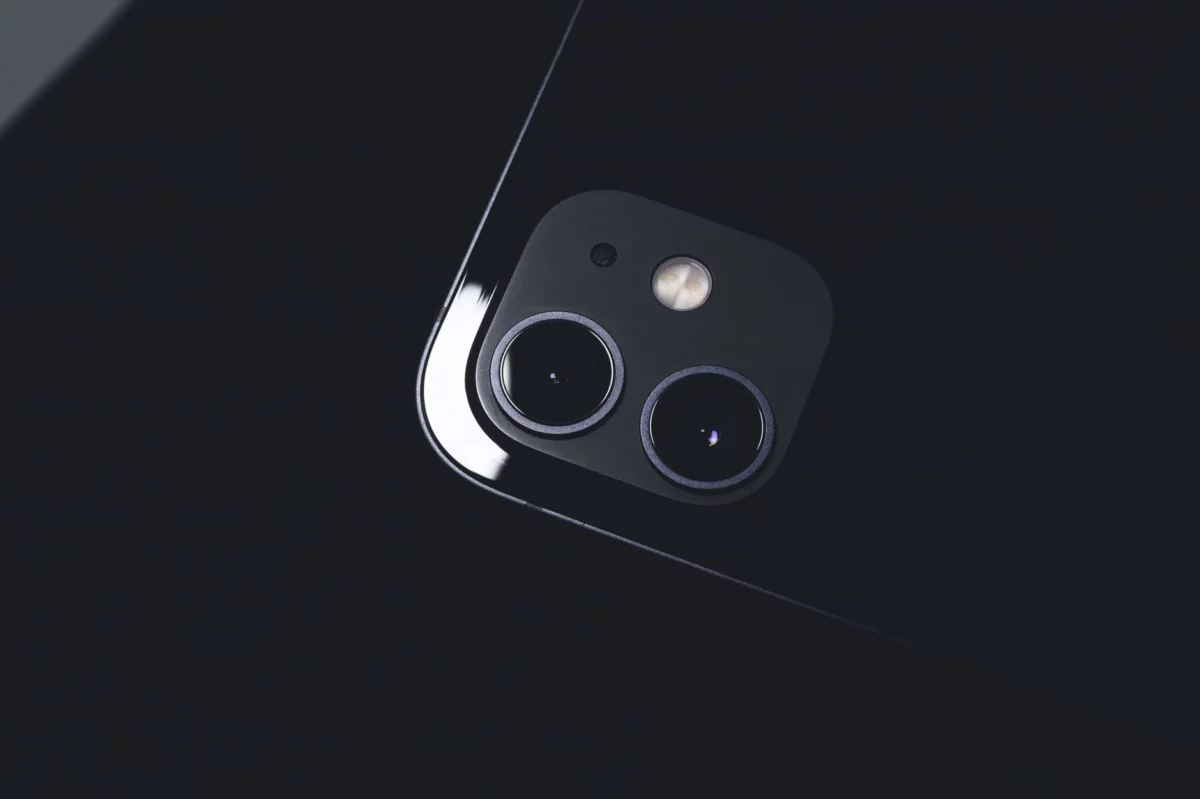
Apple’s debut of the folding iPhone, the iPhone Duo, is more than another premium product launch. At $1,999 and with an October arrival window, it marks Apple’s most visible move into the foldable smartphone category, a market defined by flexible screens, complicated hinges, and the constant tension between novelty and durability. For years, the idea of a foldable device has lived at the edge of the mainstream; now Apple is trying to make it feel inevitable. If the foldable iPhone works, it could become the first version that many ordinary buyers consider a legitimate main phone rather than a secondary gadget.
That matters because Apple Inc. rarely enters a category without reshaping expectations. The company from Cupertino, California has repeatedly turned existing ideas into broad consumer habits, and the iPhone remains the clearest example. A foldable iPhone could do something similar for larger screens, especially if it solves the practical annoyances that have kept many buyers on the sidelines.
The strategic question is not whether Apple can make a phone that folds. It is whether it can make a folding phone that feels unmistakably like an iPhone from the first tap.
The timing also reflects Apple’s leadership philosophy under Tim Cook, which has favored supply-chain discipline, scale, and ecosystem integration over dramatic gambles. That is different from the product mythology associated with Steve Jobs, but it is well suited to a category where manufacturing quality and software continuity matter as much as design ambition.
Why Apple’s first folding iPhone matters
Apple has traditionally preferred to enter a category after the first wave of technical compromises has already been exposed by competitors. That pattern is part of why the company has been so effective at turning mature ideas into mass-market products. The iPhone Duo fits that playbook. It arrives after the category has already been tested by devices such as the Samsung Galaxy Z Fold series, giving Apple a chance to focus on refinement rather than raw invention.
That approach matters because Apple’s influence is rarely just about hardware. When the original iPhone changed consumer expectations, it also reshaped app design, mobile web use, and the entire definition of a premium handset. A folding iPhone can have the same kind of effect if it feels natural in hand, easy to use, and durable enough for everyday life. Otherwise, it risks becoming a luxury curiosity rather than a category-defining device.
There is also a historical context worth remembering. The smartphone market has already passed through several shifts, from the era of physical keyboards to large-screen slabs and, for a while, the oversized phablet category. Foldables are the latest attempt to solve an old problem: how to give people a bigger screen without forcing them to carry a bigger slab all day. Apple’s version will be judged against that long arc, not just against its immediate rivals.
What Apple is likely trying to solve
Most foldables have struggled with the same set of issues: visible creases, hinge wear, battery trade-offs, and software that sometimes feels adapted rather than designed. These are not minor details. In a premium device, any weakness becomes part of the daily experience. Apple will know that the iPhone Duo has to feel polished in both positions: closed like a pocketable phone and open like a compact tablet.
Hinge engineering, display durability, and the crease problem
The core challenge begins with the display. A foldable phone depends on flexible OLED technology, not the rigid glass panels used in traditional handsets. The folding mechanism must survive repeated use while keeping the screen aligned, reducing dust ingress, and limiting the crease that users can see and feel. Even if the crease is less noticeable than on earlier devices, it remains a psychological hurdle because both the eye and the fingertip notice imperfections immediately.
Apple’s wider hardware ecosystem suggests it will treat materials and accessory support as part of the product story, not an afterthought. The company already has strong consumer expectations around cover glass through Corning Incorporated and around magnetic accessories such as MagSafe. A foldable design would need to preserve enough of that familiar premium feel to justify the leap in complexity.
Software is the real differentiator
Hardware alone will not make the iPhone Duo compelling. The device has to switch gracefully between sizes, manage app layouts without awkward stretching, and preserve the simplicity that defines iOS. That is where Apple’s control over its own stack matters. Its custom chips, which grew out of the Apple silicon strategy, give it more room to optimize thermals, battery behavior, and display transitions than a company relying on off-the-shelf components.
For developers, the opportunity is real but not automatic. A folding device encourages better multitasking, richer media use, and more flexible split-screen workflows. But apps that have not been updated for dynamic layouts can look clumsy fast. Apple’s software teams will need to do what they have done for years: make new hardware feel like a natural extension of the platform rather than a separate experiment. That is one reason why touchscreen responsiveness, gesture continuity, and orientation switching matter so much on a foldable.
How the iPhone Duo could reshape the premium market
At $1,999, the iPhone Duo is not trying to win on affordability. The Apple folding iPhone price is a strategic signal as much as a sales decision. Apple has long understood that premium pricing can reinforce perceived quality, support margins, and preserve cachet. The risk is that such a price turns the device into a status object rather than a broadly adopted product.
| Area | What buyers gain | What Apple must prove |
|---|---|---|
| Display size | A phone that opens into a more useful canvas for reading, editing, and video | That the inner screen feels smooth, durable, and crease-resistant |
| Portability | A larger screen without carrying a full-size tablet | That the device remains pocketable and comfortable in daily use |
| Software | Better multitasking and continuity across modes | That iOS adapts elegantly instead of feeling forced |
| Value | A clear premium identity | That the experience justifies the price over a traditional iPhone |
This is where Apple’s late entry may help. The company can study how users interact with earlier foldable smartphones and then simplify the interface, improve app behavior, and refine the physical design. But being late also means expectations are higher. If the device feels merely competent, it will be compared not to first-generation foldables but to the best non-folding flagship phones on the market.
Assembly and supply-chain execution will be just as important as the public reveal. A product of this complexity likely depends on partners such as Foxconn for assembly and TSMC for advanced chip manufacturing. Apple has spent years perfecting this model, and the folding iPhone will test whether that system can absorb a new mechanical challenge without creating quality-control bottlenecks. In that sense, the device is also a stress test for Apple’s industrial design and logistics machine.
What the price tells us about Apple’s strategy
The most important number in the announcement may be the price, not the folding mechanism. The iPhone Duo’s $1,999 tag places it firmly in the ultra-premium bracket, above many flagship phones and at a level where buyers expect more than incremental improvements. That price suggests Apple sees the device as a showcase for engineering and a halo product for the whole line, much like a concept car that shapes brand perception even if most customers never buy it.
There is also a practical implication for the wider market. If Apple proves that a foldable phone can be mainstream-adjacent in usability, other manufacturers will feel pressure to improve their own designs rather than simply adding larger displays. If it does not, the category may remain what many analysts have treated it as so far: impressive, expensive, and still a niche. The difference between those outcomes may come down to a few everyday details, such as battery life, weight distribution, and how quickly the phone transitions between modes.
For buyers, that means the best question is not whether the iPhone Duo is impressive. It almost certainly is. The better question is whether the foldable form factor solves a problem they actually have. A larger screen is valuable for some users, especially those who read, edit documents, or consume media on the go. For many others, a conventional premium phone still offers a better balance of simplicity, reliability, and price.
What developers, accessory makers, and power users should watch
Accessory makers will likely focus on cases, stands, and charging solutions that preserve the folding mechanism rather than obstruct it. Developers, meanwhile, will watch for any changes in USB-C behavior, external display support, and app window management. If the device arrives with strong continuity features, it could create a new design target for productivity apps, creative tools, and media workflows.
Power users should also watch battery behavior closely. Foldables often demand more from batteries because larger displays and more complex hinges add weight and power overhead. If Apple can maintain the efficient experience associated with modern smartphone hardware while supporting a larger internal screen, that would be a meaningful engineering achievement. If not, the device may impress in brief demos but disappoint in all-day use.
There is a broader ecosystem angle too. Apple’s product decisions often spill into the rest of the industry, from app design conventions to supplier investment. A successful foldable iPhone could influence the next generation of premium Android devices just as the original iPhone changed assumptions about hardware and software integration. In that sense, the launch is not just about one device; it is about the standard Apple intends to set for the next phase of the smartphone era.
Buyers who want to validate the final details should watch Apple’s official product pages and support notes once the device ships. The most authoritative starting point will be Apple’s iPhone site, where the company typically publishes specs, configuration options, and compatibility details.
FAQ: What readers are likely asking right now
Is the iPhone Duo worth $1,999?
Only if you value the larger screen enough to justify the premium. For heavy readers, multitaskers, and media users, a folding phone can offer a genuine productivity benefit. For everyone else, the cost may be difficult to defend against a standard flagship iPhone with fewer moving parts.
Why is Apple releasing a folding iPhone now?
Because the category has matured enough to support a polished entry. Apple appears to be waiting until the underlying technology, supply chain, and software expectations are good enough to support a premium launch rather than a rough first draft.
Will a folding iPhone be more durable than other foldables?
It may be, but buyers should be cautious until real-world testing is available. Durability depends on the hinge, inner display, materials, and long-term repairability. Apple usually competes by reducing friction, not by making the specs look extreme on paper.
Should developers prepare for a new foldable interface model?
Yes. Any major iOS device category change can affect layout, multitasking, and device-state handling. Developers who already support adaptive interfaces will be in the best position to benefit quickly.
What to watch next as the foldable era evolves
The iPhone Duo may be remembered less for being Apple’s first folding iPhone than for showing how the company defines a mature foldable product. If the launch succeeds, expect the conversation to shift from novelty to practicality: repair costs, battery longevity, app support, and whether Apple can eventually offer a second-generation model at a lower entry point. If it falls short, the market will likely conclude that foldables still need another cycle of materials and software improvement before they can become truly mainstream.
The biggest insight is that Apple is not just entering a category; it is trying to set a standard for restraint. In a market where many foldables compete on spectacle, Apple will be judged on whether the device disappears into the user’s routine. That is the real test of a premium product. The next few months will show whether the folding iPhone is a clever experiment, a durable new platform, or the beginning of a broader redesign of what a phone is supposed to do.
Frequently Asked Questions
Why is Apple entering the foldable market so late compared with other Android brands?
Apple usually waits until a product category has revealed its biggest flaws, then enters with a more polished version. In foldables, that means it can study problems like creasing, hinge wear, and software friction before launching its own device. The goal is less to invent the category than to make it feel reliable enough for mainstream buyers.
What would make the iPhone Duo feel like a true iPhone instead of just another foldable?
It would need to deliver the familiar iPhone qualities that matter most: smooth performance, clean software continuity, strong build quality, and a user experience that feels simple rather than experimental. If opening and closing the device changes how apps behave in a messy way, it risks feeling like a gadget. Apple’s challenge is making the foldable format feel invisible, not novel.
Why is the crease such a big issue if foldables already exist?
Because premium buyers notice imperfections immediately, especially on the main display. The crease is not only a visual distraction; it also signals durability concerns and can affect how the screen feels under the finger. Even if Apple reduces it significantly, the perception of a crease can still influence whether users trust the phone for everyday use.
Could a folding iPhone replace both a phone and a small tablet for some users?
Possibly, and that is one of the category’s biggest appeals. A foldable can stay pocketable when closed but offer extra screen space when opened, which is useful for reading, multitasking, or media. But for it to replace two devices, Apple must ensure battery life, app scaling, and ergonomics are good enough to avoid compromise.
Why does the article say software matters as much as hardware for this product?
Foldables are not just a hardware puzzle; they also require apps and the operating system to adapt smoothly between folded and unfolded states. If transitions feel awkward, the experience becomes fragmented. Apple’s advantage is its ecosystem control, which could let it design software behavior that feels intentional rather than patched together for the new form factor.
Does the iPhone Duo have to be perfect to succeed?
Not perfect, but it does need to feel dependable enough to justify its premium price. At $1,999, buyers will expect fewer trade-offs than on earlier foldables. Apple can win if it solves the most annoying issues better than rivals, even if the device is still expensive and somewhat niche at launch.