
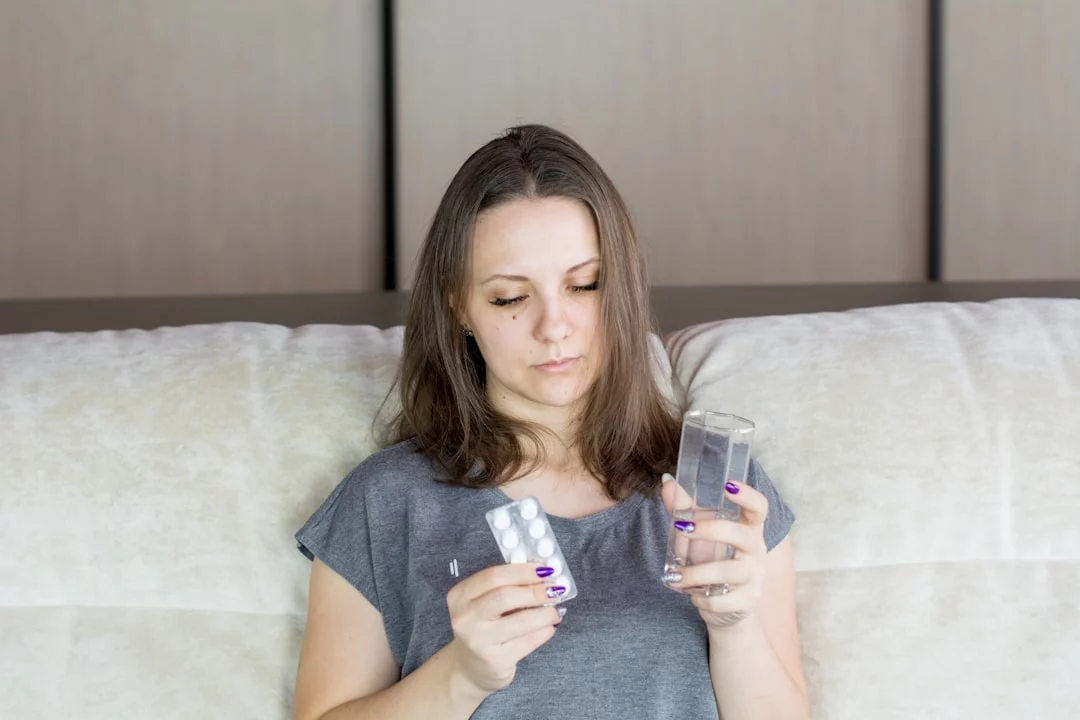
Menopause supplements are marketed as if they were a shortcut through a difficult biological transition, but the evidence rarely supports that framing. The recent UCL-led critique matters because it exposes a familiar pattern: a real clinical problem, a large anxious market, and a wave of products that promise relief without the trial data to justify their price. For many women in perimenopause and menopause, the issue is not whether symptoms are real. It is whether a bottle of capsules, often sold through wellness language rather than medicine, can do anything meaningful beyond a placebo effect.
The central criticism is blunt but fair: the menopause supplement market often confuses symptom management with branding. A product can look clinical, use scientific-sounding ingredient lists, and still rest on weak or inconsistent evidence. That is why the important question is not whether a supplement is popular. It is whether it is measurable, safe, and worth the money.
Why menopause creates a fertile market for supplements
Menopause is not a single event; it is a transition shaped by changing hormone levels, especially estrogen and progesterone. During this period, many women experience vasomotor symptoms such as hot flashes, night sweats, and sleep disruption. Mood changes, vaginal dryness, and concentration problems can also occur. Because symptoms vary in intensity and duration, people naturally experiment with treatments. That makes the menopause space highly vulnerable to products that appear helpful simply because symptoms fluctuate on their own.
That fluctuation matters. A bad week can end just as a supplement is started, which encourages people to credit the pill. The same logic drives much of the supplement economy. If an effect is subjective, intermittent, and hard to measure in daily life, the market can sell hope faster than evidence can catch up.
In the UK, the evidence-based reference points are still the NICE menopause guideline and the NHS menopause overview. Those sources are not perfect, but they are built around clinical decision-making rather than consumer aspiration. That distinction matters, because supplements are usually regulated as dietary supplements, not medicines.
What the evidence actually supports
The strongest lesson from the current debate is not that every supplement is useless. It is that the category is badly mixed. Some ingredients have limited evidence, some have no convincing evidence for symptom relief, and some bring safety concerns that are not obvious from the label. The problem is compounded by the way products are blended: a long ingredient list can look comprehensive while making it impossible to know which component, if any, is doing anything.
| Ingredient or product type | Evidence for menopause symptoms | Main concern | Practical verdict |
|---|---|---|---|
| Black cohosh | Inconsistent. Some small studies suggest benefit, others do not. | Product variability and rare liver injury concerns. | Not a first-line choice. |
| Soy isoflavones and other phytoestrogens | May help a subset of women, usually modestly. | Small effect sizes and uneven formulations. | Possible, but limited. |
| Vitamin D | Useful for deficiency, not a direct hot-flash treatment. | Overuse if stacked into multi-supplement routines. | Reasonable only when indicated. |
| Calcium | Supports bone health, not symptom control. | Not a menopause cure. | Use for bone-health needs, not as a symptom fix. |
| Proprietary menopause blends | Hard to evaluate because doses are hidden or underpowered. | Marketing over measurement. | Best avoided. |
That table reflects a broader pattern in the literature. Trials of botanicals and mixed formulas are often short, small, and methodologically uneven. Outcomes are measured differently from one study to the next, which makes clean conclusions difficult. Even when a study reports improvement, the effect is often modest and not clearly superior to placebo. In other words, the category is not fully empty; it is just far weaker than the marketing suggests.
The more honest comparison is with hormone replacement therapy. HRT is not appropriate for everyone, but it is a real treatment with known dosing, recognized mechanisms, and a clinical risk-benefit framework. A branded capsule that promises hormone balance without clear pharmacology is not competing on the same field.
The central mistake in the menopause supplement market is to confuse biological plausibility with clinical proof. A molecule can sound reasonable and still fail the test that matters: measurable benefit in real patients.
Supporters of herbal products often argue that the right question is not whether a product works for everyone, but whether it helps a subset of users. That argument is not absurd. Some women may indeed feel better with black cohosh, soy isoflavones, or other plant-derived compounds. The problem is that a treatment that helps some people unpredictably is not the same as a treatment worth broad commercial promotion. The burden of proof should rise, not fall, when a product is sold to millions of people with highly variable symptoms.
Why the safety issue is more serious than the sales pitch admits
The headline risk is not only that many supplements do little. It is that some can do harm. The most concerning examples involve concentrated botanicals and multi-ingredient products, where dose, purity, and interactions are harder to track. Liver damage from supplements is uncommon relative to total use, but it is real enough to matter, especially when the product is marketed as natural and therefore presumed safe.
That presumption is false. Natural products can still be pharmacologically active, poorly standardized, or contaminated. The wider category of herbal medicine has long struggled with batch variation, inconsistent extraction methods, and claims that outrun the data. If a product contains several active botanicals, the customer may never know which one caused a benefit, a side effect, or an interaction with another medicine.
The warning signs should be treated seriously. New jaundice, dark urine, itching, right-upper-abdominal pain, or unusual fatigue after starting a supplement should trigger immediate medical advice and stopping the product until reviewed. People with known liver disease or those taking multiple prescription medicines should be more cautious, not less.
The real problem is that consumers are asked to self-audit risk without the tools to do so. Prescription drugs come with dosage standards, trial data, and formal surveillance. A supplement aisle does not. That gap is where the most expensive mistakes happen.
Why expensive blends are not evidence-based care
Price often functions as a misleading proxy for quality. A monthly bill of tens of pounds, or more, can create the feeling that a product must be serious. In practice, high pricing often reflects packaging, marketing, influencer reach, and margin, not proof. The menopause market is unusually good at converting uncertainty into revenue because it targets a life stage where women are often tired, anxious, and willing to pay for something that promises control.
That creates an opportunity cost. Money spent on a weak supplement cannot be spent on a proper consultation, a sleep review, a medication check, or a more useful intervention. For many women, the most cost-effective option is not an expensive menopause-branded formula but a basic, low-cost nutrient supplement used for a defined reason. When a pill is justified, it is usually because of deficiency, bone-health risk, or another clinical indication, not because it is marketed as a menopause solution.
This is where the category should be split in two. On one side are targeted supplements with a clear reason to exist, such as vitamin D in people at risk of deficiency or calcium when dietary intake is low and bone-health concerns matter. On the other side are branded menopause blends that claim to solve everything from hot flashes to mood to skin ageing. The second category is mostly a sales strategy.
What actually helps more than a supplement aisle
For troublesome vasomotor symptoms, HRT remains the most effective mainstream option for many women, assuming there are no contraindications and the risk-benefit discussion has been done properly. That does not mean HRT is the answer for everyone. It means the evidence is far stronger than it is for most supplements, and the treatment is monitored as medicine rather than sold as a wellness accessory.
Non-hormonal prescription options, symptom tracking, sleep interventions, and cognitive approaches can also help, especially when symptoms overlap with stress, insomnia, or anxiety. This matters because menopause symptoms often coexist with other problems. A woman may blame hot flashes when the larger issue is fragmented sleep, alcohol, thyroid disease, medication side effects, or untreated depression. A supplement bottle cannot diagnose that.
Bone health is a separate question. Menopause can accelerate loss of bone density, which is why osteoporosis risk should be assessed on its own merits. In that context, vitamin D and calcium may be appropriate if intake or status is inadequate. But that is not the same as treating menopausal symptoms. Conflating the two is one of the most common commercial tricks in the category.
Practical decision rule: if a product promises to rebalance hormones, detox the liver, support mood, improve sleep, and erase hot flashes in one capsule, it is selling a narrative, not a therapy.
- Check the exact ingredients and the exact dose.
- Prefer single-ingredient products over proprietary blends.
- Avoid products that promise hormone balancing without clinical evidence.
- Be cautious with any botanical if you have liver disease or take prescription medication.
- Stop the product if symptoms worsen or new side effects appear.
One more point is worth stating plainly. Some women report feeling better after taking a supplement, and those reports should not be mocked. But symptom improvement does not prove ingredient efficacy. Menopause symptoms naturally wax and wane, and the placebo effect is strongest when outcomes are subjective. Without controlled comparison, the story of benefit is easy to over-read.
Questions readers ask before buying menopause supplements
Do menopause supplements work?
Sometimes, partially, and often not enough to justify the price. A minority of ingredients may help a subset of users, but the overall category is too inconsistent to treat as a reliable solution.
Which menopause supplements are safest?
The safest options are usually standard, single-ingredient nutrients used for a defined reason, such as vitamin D when deficiency risk is present. Branded herbal blends are harder to assess and more likely to hide dose or interaction problems.
Can supplements cause liver damage?
Yes. The risk is uncommon, but certain herbal and multi-ingredient products have been associated with liver damage. Any new jaundice, dark urine, itching, or upper abdominal pain needs prompt medical review.
Is there a better first-line option for hot flashes?
For many women, yes. HRT is usually more effective than over-the-counter supplements for hot flashes and night sweats, though suitability depends on individual risk factors and medical history.
Are phytoestrogens just safer versions of hormones?
No. Phytoestrogens are plant compounds with estrogen-like activity, but they are not a direct substitute for hormone therapy and should not be treated as one.
What the menopause market still has to prove
The next phase of this debate will not be decided by marketing. It will be decided by better trials, clearer labelling, and stronger post-market safety reporting. If supplement companies want credibility, they need ingredient-specific data, meaningful symptom outcomes, and transparency about adverse effects. That is a high bar, but it is the correct one.
What readers should watch next is whether regulators, clinicians, and consumer groups force the category to narrow. The likely future is not that all menopause supplements disappear. It is that the weak ones become harder to defend, the safest ones become more narrowly defined, and the expensive all-purpose formulas lose some of their authority. The unanswered question is whether the market can accept evidence as the standard, or whether it will keep charging premium prices for products that mainly sell reassurance.
The most important insight is simple: menopause deserves serious treatment, not expensive ambiguity. A pill should earn trust through data, not through packaging. If the industry cannot prove more than it promises, then the market will eventually shrink to the few products that can actually explain why they exist.
Frequently Asked Questions
Why do menopause supplements sometimes seem to work even when the evidence is weak?
Because menopause symptoms often fluctuate naturally. A bad week can improve just after someone starts a supplement, which makes it easy to credit the product. Placebo effects also matter, especially for symptoms like sleep, hot flashes, and mood, which are subjective and hard to measure day to day.
Are proprietary menopause blends better than taking a single ingredient?
Usually not. Blends often hide exact doses, so it is difficult to know whether any ingredient is present in an amount that could matter. They may look more complete on the label, but that can be marketing rather than science. In practice, blends are often harder to assess and easier to overpay for.
Is black cohosh a reasonable option if I want to avoid hormones?
It can be, but it is not a first-line choice. The evidence is inconsistent, and some products vary a lot in quality. There are also rare liver injury concerns. If you have liver disease, take other medications, or notice symptoms like dark urine or jaundice, it is safer to stop and seek advice.
Do vitamin D or calcium help with hot flashes or night sweats?
Not directly. Vitamin D is useful if you are deficient, and calcium supports bone health, but neither is a proven treatment for vasomotor symptoms. They make sense when there is a clear nutritional or bone-health reason, not as a substitute for evidence-based symptom treatment.
If supplements are not the best answer, what actually helps more?
The most useful options are usually evidence-based treatments discussed with a clinician, such as hormone therapy when appropriate, or non-hormonal prescription options for troublesome symptoms. Lifestyle changes can also help some people, but they are not a cure-all. The key is matching treatment to the symptom pattern and personal risk profile.