
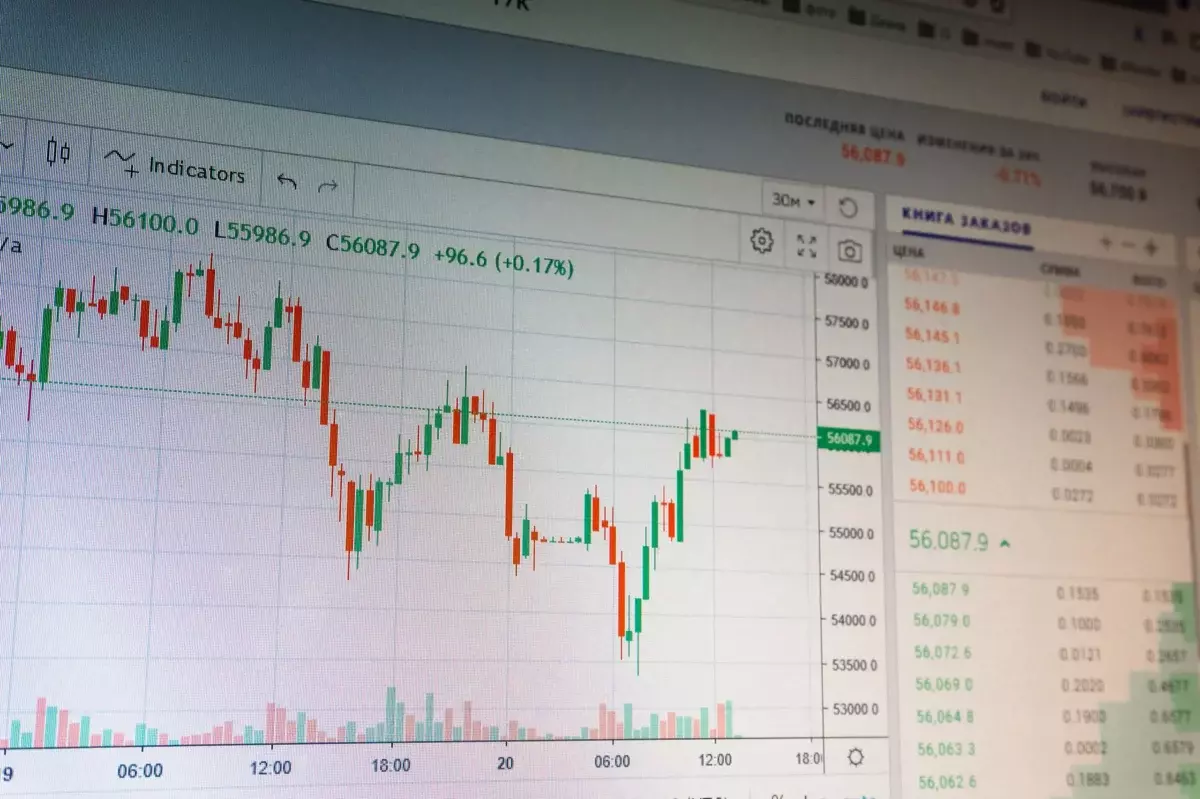
The British 10-year gilt yield climbing to 5.295% is not just a market tick; it is a blunt statement about risk, inflation, and the cost of money in the United Kingdom. In the language of gilt-edged securities, it means investors now demand a much higher return to hold the state’s long-dated government bond, a move that ripples through the entire bond market.
At first glance, the number looks technical. In reality, it is emotional data: a judgment on the path of inflation, the stance of monetary policy, and the credibility of fiscal policy. When that judgment hardens, Bank of England decisions, mortgage pricing, and corporate financing all feel the pressure.
What a 10-year gilt yield actually tells us
A yield is the return investors receive for lending to the government. When prices fall, yields rise. The 10-year point matters because it sits near the middle of the yield curve: long enough to reflect expectations about inflation and rates, but not so far out that it becomes pure guesswork.
In practice, the yield acts like a referendum on confidence. A rising yield can reflect growth optimism, but in Britain’s current case it more often signals concern about sticky inflation, large issuance, and the possibility that the Bank rate stays high for longer. The UK’s debt stock also makes investors sensitive to every shift in borrowing costs.
Why the British 10-year gilt yield is rising now
Inflation is still the silent driver
Markets do not wait for perfect clarity. They react to the odds. If inflation proves stubborn, bondholders ask for compensation. That is why the latest move has to be read alongside price data from the Consumer price index and the broader message from the Office for National Statistics. Even when headline inflation cools, a market may worry about services inflation, wages, and second-round effects.
Rate expectations are doing heavy lifting
Higher yields often reflect the belief that policy rates will remain elevated. The connection between the Bank of England, monetary policy, and long-term borrowing costs is not mechanical, but it is powerful. When investors think central bankers will keep policy tight, they push up the return they want on a 10-year bond today.
Supply and credibility matter too
Governments finance deficits by issuing debt, and the UK Debt Management Office must keep auctions moving. Heavy issuance is not automatically a problem, but it becomes one when markets doubt whether growth, tax receipts, and spending plans will balance the books. That is where the language of risk premium enters the picture: investors want extra yield when they see extra uncertainty.
Why the 2022 comparison still haunts the market
The reference point remains the era of Liz Truss and the September 2022 United Kingdom mini-budget, when gilt markets absorbed a shock that felt almost constitutional. The immediate memory of that episode, plus the broader lesson of the financial crisis of 2007–2008, is that fixed-income markets can reprice faster than politicians can explain.
That does not mean today is a replay of 2022. It does mean investors remember how quickly bond vigilantes can punish loose messaging. Britain’s borrowing costs are now being tested in a more disciplined environment, but the market still prefers caution over confidence slogans.
What higher gilt yields mean in the real world
Government debt becomes more expensive
A higher 10-year yield raises the cost of rolling over debt. The effect is not instant on every bond, but it compounds over time. For a government already managing large interest bills, that matters for every fiscal choice that follows.
Mortgages, business loans, and investment feel the squeeze
Longer-term borrowing rates shape swap markets and lender pricing. That is why a move in gilts can eventually show up in mortgage offers, infrastructure financing, and corporate capex decisions. Even a modest rise can alter projects at the margin, especially when growth is soft.
Confidence can improve or worsen the move
Markets are not only numbers; they are narratives. If investors believe the government has a coherent path for growth and discipline, yields can stabilize. If they sense drift, they may demand a larger risk premium. That is the difference between a temporary repricing and a structural warning.
What professionals should watch next
- Upcoming inflation prints and wage data from the Office for National Statistics
- Signals from the Bank of England on the path of the Bank rate
- Debt auction demand and issuance plans from the UK Debt Management Office
- Moves in global sovereign bonds, especially U.S. Treasuries and euro-area debt
- Whether the yield curve steepens or inverts further
For a deeper policy lens, readers should also compare this move with official commentary from the Bank of England, data from the Office for National Statistics, and auction information from the UK Debt Management Office.
FAQ: the questions investors and readers are asking
Why is the British 10-year gilt yield rising?
Because investors are demanding more compensation for inflation risk, policy uncertainty, and the scale of government borrowing. The move is usually a mix of macro data and market psychology.
Does a higher gilt yield always mean bad news?
Not always. Sometimes it reflects stronger growth expectations. But when inflation is still sticky and borrowing costs rise quickly, the message is usually more cautionary than optimistic.
How does this affect ordinary households?
Indirectly, but powerfully. Gilt yields influence mortgage pricing, business lending, and eventually public spending room. A persistently higher yield can make the whole economy feel tighter.
The signal markets are sending now
The most important insight is that Britain’s long-term borrowing cost is no longer drifting in the background; it is becoming a live verdict on policy credibility, inflation control, and growth prospects. The market is asking a simple but uncomfortable question: can the UK bring prices down without choking off growth, and can it do so while convincing investors that public finances remain under control?
That question will define the next few quarters more than any single trading session. If inflation eases, the Bank of England softens, and fiscal messaging stays disciplined, yields may settle. If not, the 10-year gilt yield could remain a stubborn warning light — one that tells us the cost of trust, once repriced, is very hard to win back.
Frequently Asked Questions
Why does the 10-year gilt yield matter more than shorter-dated yields?
The 10-year point is a useful middle ground: it is long enough to reflect expectations about inflation and interest rates, but not so far out that it becomes mostly speculation. Because it sits at the heart of the yield curve, it is often the market’s clearest read on confidence in the UK’s economic and policy outlook.
Does a higher gilt yield always mean the economy is getting stronger?
No. A rising yield can sometimes reflect optimism about growth, but in the current UK context it more often points to worries about sticky inflation, high government borrowing, and the chance that interest rates stay elevated for longer. In other words, the signal can be positive, but it is often a warning rather than a celebration.
Will this immediately make mortgages more expensive?
Not necessarily immediately, but the effect usually filters through. Gilt yields influence swap rates, and those help lenders price fixed-rate mortgages and other loans. If higher yields persist, new mortgage offers tend to rise, especially for longer fixes. Existing fixed-rate borrowers are usually protected until their deal ends.
Can the Bank of England simply push the 10-year yield back down?
Not directly. The Bank of England controls short-term policy rates and can influence market expectations, but the 10-year yield is set by investors in the bond market. It falls only if markets become more confident that inflation will ease, policy will loosen eventually, or fiscal risks are better contained.
Is this the same kind of market stress seen during the 2022 mini-budget?
Not the same, but the memory still matters. The 2022 episode was a sudden credibility shock that triggered extreme moves in gilts. Today’s rise appears more orderly and driven by inflation and rate expectations, but investors remain sensitive to anything that looks like loose fiscal messaging or weak policy credibility.