
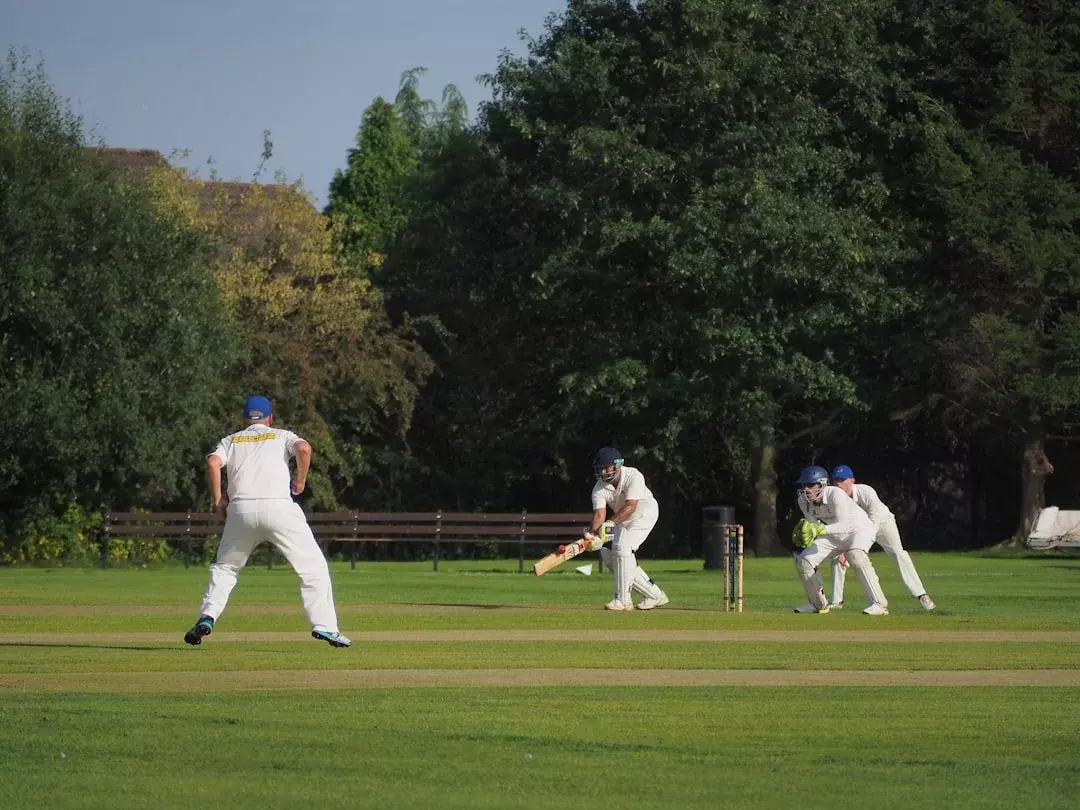
Day 2 of the third Test between England cricket team and Pakistan cricket team at Edgbaston was the kind of day that exposes a side’s real Test cricket identity. In long-form cricket, the second day often reveals more than the scoreline: who handled the moving ball, who kept the fielders honest, and who could survive the spell where patience matters more than flair. That is why England vs Pakistan third Test day 2 highlights are best understood as a tactical story, not just a list of wickets and runs.
Edgbaston is a venue that tends to reward teams that read the cricket pitch quickly. Early seam movement can make the first hour feel dangerous, while later in the day the surface often demands discipline, measured risk, and a clear plan against the red ball. For England, that usually means balancing their aggressive Bazball instincts with the practical demands of Test match survival. For Pakistan, it means trusting the new ball, hunting edges, and waiting for the moment when reverse swing begins to tilt the contest.
Why day two often defines the shape of a Test
By day two, the opening burst of energy has usually passed, and the match starts to ask harder questions. Batters are no longer fresh, bowlers have had enough overs to find rhythm, and the fielding side must decide whether to stay attacking or protect against damage. In a match like this one, day two is where control becomes visible: the side that can sustain pressure through a long session often forces the other into mistakes.
In a Test match, day two is often where the first impression gets audited.
That is especially true when the opposition can combine fast bowling with a disciplined slip cordon and an alert wicket-keeper. A loose leave, a ball that lifts just enough, or a brief lapse in footwork can change the momentum of an innings. That is why highlights from a day-two Test are rarely about one isolated over; they are about whether a team kept making the right choices for 20 overs at a time.
Edgbaston and the technical demands on both sides
Edgbaston has a reputation for rewarding bowlers who hit a testing length and batters who can leave well outside off stump. Once the ball softens, the contest can shift toward run management and the ability to deny momentum to the attack. That is where spin bowling becomes relevant, not just for wickets but for control, pressure, and setting up false strokes. Good fielding matters too, because every saved single increases the value of a dot-ball spell.
For Pakistan, the pitch and conditions can also make the bowling plan more layered. If the seamers are disciplined, they can push batters back, invite outside edges, and keep the scoreboard quiet long enough for a mistake to arrive. If the ball starts to reverse, the margin for error shrinks further. In those passages, even an appeal for leg before wicket or a marginal no-ball can become a turning point, because the pressure of Test cricket is built in small, cumulative moments.
England’s attacking mindset meets Pakistan’s patience
England’s modern method under Bazball has changed how people discuss batting intent, but day two is where that philosophy is tested most seriously. Aggression is useful only when it is selective. Against Pakistan, England cannot afford to treat every bowling change as an invitation to accelerate. The smarter version of their approach is controlled tempo: score when the field is open, protect the wicket when the ball is moving, and avoid the kind of shot selection that hands momentum to the opposition.
Pakistan’s best answer is usually patience. They are at their most dangerous when the field is tight, the line is awkward, and the batter begins to feel that every run has to be earned. At that stage of the match, the prospect of a follow-on or a carefully timed declaration can alter the mindset of both captains. In other words, day two is not only about wickets; it is about the strategic shape of the entire Test.
What fans should actually watch in the scorecard
An informed reading of the England vs Pakistan Test match scorecard goes beyond runs and wickets. Watch the partnership lengths, the overs spent resisting, and the moments when the batting side stopped rotating the strike. Those details tell you whether the bowlers have control even when the numbers look flat. A compact spell can be more valuable than a flurry of wickets if it forces the batters into cautious cricket.
- Whether the opening bowlers can keep the ball on a challenging length after the first spell.
- Whether the batters are willing to leave well outside off stump instead of reaching for width.
- Whether the slips remain active enough to turn edges into dismissals.
- Whether spin is being used to attack, contain, or simply reset the tempo.
What the next session will tell us
The most important lesson from day two is that the match is rarely won by the side that looks most fluent; it is won by the side that understands when to change gears. If England can convert their aggressive instincts into sustained pressure, the rest of the Test may tilt their way. If Pakistan can keep the ball alive with movement, patience, and the odd burst of reverse swing, they can drag the contest back into uncertainty. That uncertainty is what makes this third Test compelling: the answer is not just who scored more, but who controlled the terms of the fight.
FAQ
Why is day 2 so important in a Test match?
Day 2 usually shows whether the opening plans are working. The ball may still move, but batters are more settled and bowlers need accuracy rather than surprise. It is often the day when pressure turns into a visible scoreboard advantage.
How does reverse swing change a match at Edgbaston?
Reverse swing makes an older ball behave differently, often moving late and sharply. That makes life harder for set batters, especially when the bowling side can keep a disciplined line and protect the new scoring options.
What should fans look for beyond the highlights?
Look at session control, dot-ball pressure, and whether wickets came from forcing errors or from genuine dominance. In Test cricket, those details explain more than a quick glance at the totals.
What readers should watch next
The real question now is which side can turn control into inevitability. Day two often separates promise from progress, but it is day three that reveals whether a team can convert advantage into a match-winning position. If the bowling side can keep the ball new in the mind of the batter, or if the batting side can absorb pressure without panic, this Test could still swing sharply. That is the enduring lesson of this contest: in the longest format, the scoreboard changes slowly, but the balance of power can change in a single session.
Frequently Asked Questions
Why is Day 2 often more revealing than Day 1 in a Test at Edgbaston?
Day 1 can still reflect freshness and early nerves, but Day 2 usually shows which team can sustain a plan. At Edgbaston, the ball may still move enough to test technique, yet the surface also begins to reward patience and discipline. That makes it easier to see whether batters can survive pressure and whether bowlers can keep control over long spells.
How does England’s Bazball approach change on a surface like this?
Bazball is not about attacking every ball, and Day 2 is where that distinction matters most. On a pitch with seam movement and possible reverse swing, England need selective aggression rather than constant risk. The most effective version of their approach is to score when the ball is manageable and stay compact when conditions favour the bowlers.
What makes Pakistan’s bowling plan especially effective in this match-up?
Pakistan can be dangerous when they combine disciplined seam bowling with a tight field and consistent lines outside off stump. That forces England into low-margin decisions. If the ball starts reversing later, their attack becomes even more difficult to manage, because batters must adjust to movement that can appear late and make defensive options less reliable.
Why does the article emphasize reverse swing as a turning point?
Reverse swing matters because it changes the balance of the innings once the ball is older and softer. On Day 2, that can happen at just the right time for Pakistan to increase pressure after the first spell has passed. Even set batters can be exposed by a ball that moves sharply at pace, especially when they are trying to keep the scoreboard moving.
What tactical signs should fans look for beyond wickets and boundaries?
Watch for the length bowlers are hitting, how often batters are forced to leave or defend, and whether singles are being cut off in the ring. Those details tell you who is controlling the session. A side that wins the dot-ball battle, keeps the fielding sharp, and avoids loose shots often gains the upper hand before the scorecard fully shows it.