
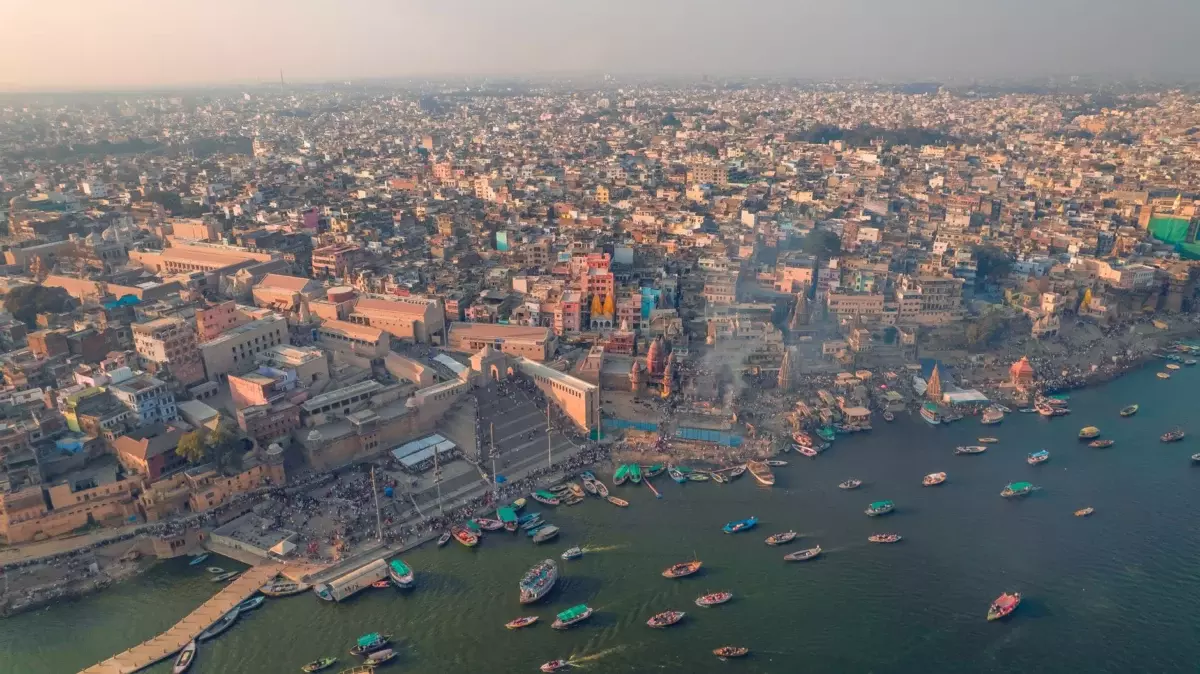
When a revered temple disappears into the Ganges River, it is not just a heartbreaking loss of heritage—it is a warning flare about how quickly rivers can change the ground beneath people’s lives. The recent incident in West Bengal, where a temple collapsed after severe erosion breached protective barriers, has reignited urgent questions: What drives Ganges riverbank erosion, how does it defeat engineering defenses, and what can communities do before the next collapse?
Temple Collapse into the Ganges River: Causes of Ganges Riverbank Erosion and How to Protect Heritage
This article breaks down the likely mechanics behind a temple collapse into the Ganges River event, from monsoon-driven flow and bank scour to the real-world limits of embankments. Most guides talk about disaster
Frequently Asked Questions
Why does Ganges riverbank erosion accelerate during the monsoon, and what does that mean for structures near the edge?
Monsoon months bring sharp increases in river discharge and speed. Faster, higher flow increases “bank scour,” washing away the toe of the bank and undercutting foundations. Storm surges and shifting currents can also change the river’s attack angle over days. For temples or heritage buildings close to the edge, this means the ground support can weaken suddenly, even if the structure itself appears intact.
How can erosion breach protective barriers even when embankments or walls are present?
River defenses often fail at their weak points: the toe, joints, drainage paths, or areas where water pressure rises behind the wall. During high flow, overtopping and side-channel flow can erode around the base. Seepage can soften soil and create voids, causing settlement. Once the protective layer is undermined, collapse can occur quickly, not gradually.
Is riverbank erosion mainly caused by “current speed,” or are there other mechanisms that matter just as much?
Current speed matters, but erosion is also driven by hydraulics and geology. Lateral river migration can move a deep channel toward a bank. Fine-grained soils are vulnerable to piping and slumping, while high turbulence at bends increases localized scour. Seasonal water level swings can repeatedly wet and dry the bank, reducing cohesion. So the risk is rarely one-factor—it’s usually a combination of flow, shape, and soil behavior.
What early warning signals can communities watch for before a heritage site becomes unsafe?
Visible cracking near foundations, tilting walls, fresh seepage spots, and exposed or thinning protective layers are warning signs. Sudden increases in bank collapse after heavy rain, new sand bars appearing and shifting, and water cutting closer to the base of the temple indicate active scour. Regular visual inspections plus simple measurements (distance to edge, crack mapping, and groundwater seep indicators) can help trigger timely interventions.
Beyond repairing embankments, what practical steps can reduce the chance of another collapse of a temple or similar heritage structure?
Communities can combine engineering and planning: stabilize banks with revetments, gabions, or toe protection; use bioengineering where appropriate; improve drainage to reduce seepage pressure; and consider setbacks that prevent future encroachment. Heritage protection also includes documenting the structure early, assessing structural capacity, and planning phased emergency response if erosion accelerates.
Can actions like sand mining or upstream changes influence erosion risk around specific temple sites along the Ganges?
Yes. Human activities and upstream river management can alter sediment supply and flow regime, changing how the river erodes and where it deposits material. Reduced sediment may increase the river’s “cutting” ability, while changes in flow releases can shift where high-energy currents form during monsoon peaks. While local bank conditions remain critical, these broader factors can make erosion more intense or more unpredictable near heritage locations.