
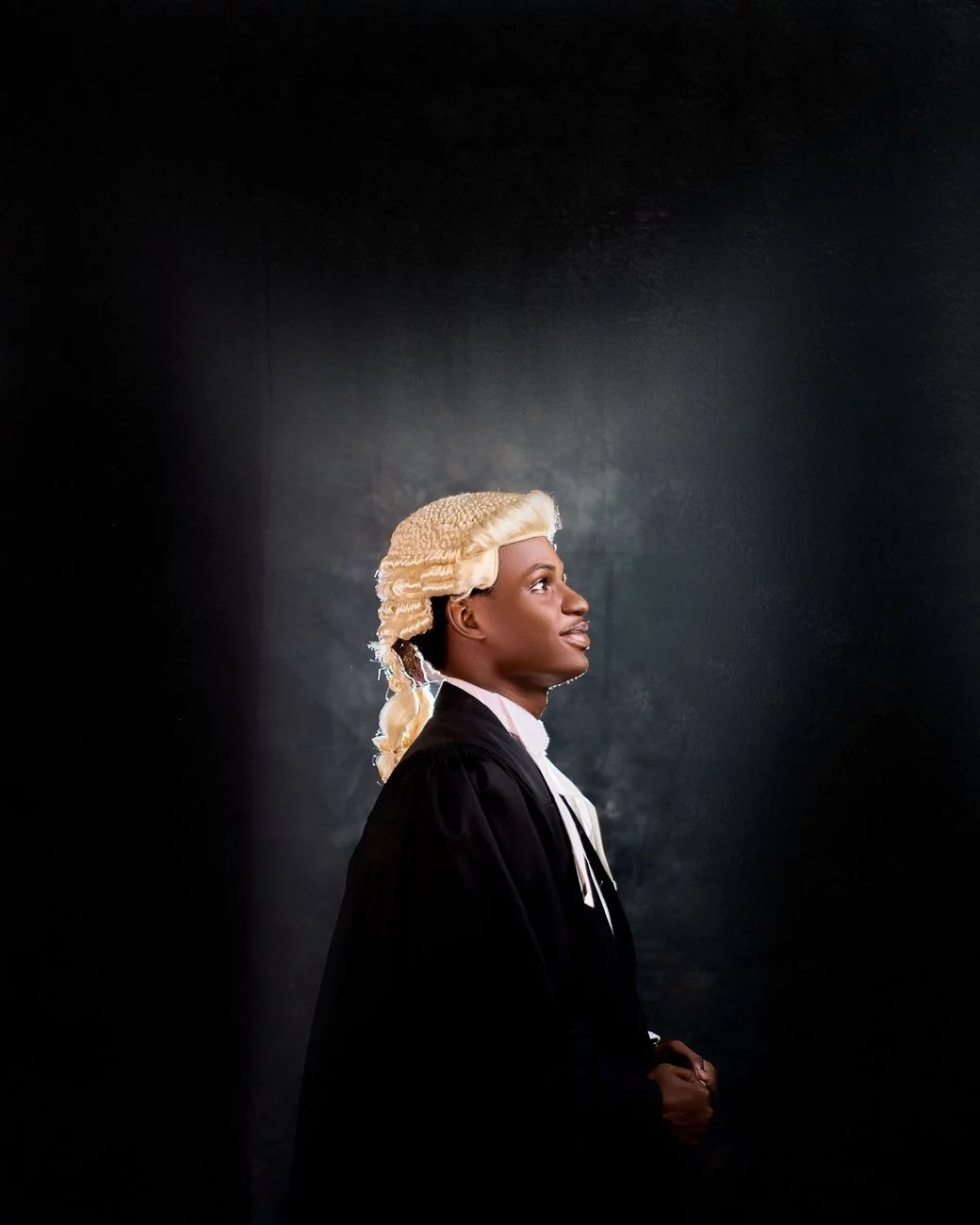
Mozambique’s opposition politician Daniel Mondlane has begun a trial over five charges linked to protests that followed the disputed 2024 election, a case that is unfolding in a courtroom in Maputo. The government has framed the proceedings as accountability for alleged unrest, while critics view the charges as a test of whether political competition can stay inside the rule of law. With international observers watching closely, the trial has become a focal point for how Mozambique manages contested elections—and what happens to dissent afterward.
Context: why Mondlane’s case is resonating
Mondlane’s trial arrives at a sensitive moment for Mozambique’s democracy, where election disputes can rapidly escalate into street protests, arrests, and legal battles. After the 2024 vote, rival claims about results intensified public tension, and demonstrations followed—according to human-rights advocates—amid a heavy security presence and reports of intimidation.
In countries where electoral authority, media freedom, and policing practices collide, courtrooms often become the battleground. Trials like this one can shape the political calendar, influence public trust in institutions, and set informal rules for how opposition parties act when results are contested.
Rights groups have repeatedly warned across Southern Africa that protest policing and the prosecution of political opponents can become tools of pressure. Amnesty International and Human Rights Watch have documented, in different contexts across the region, patterns where allegations connected to demonstrations are handled with limited transparency or uneven due process.
What the trial is about: five charges tied to post-election protests
Mondlane faces five charges related to the protests that erupted after the disputed 2024 election, according to Mozambican legal processes reported through local coverage and court announcements. The state’s core argument centers on alleged involvement in activities connected to unrest, while the defense argues that political opposition cannot be treated as criminality by default.
In an era of heightened scrutiny, the specific framing of charges matters. Where prosecutors describe protest participation as criminal conduct, defendants risk lengthy pre-trial detention and restrictive bail conditions; where courts demand a direct link to specific acts, the standard can protect political expression. Either way, the trial’s structure—evidence, witness testimony, and procedural rulings—can determine how many people feel safe to engage in public politics.
For Mondlane supporters, the trial is also about symbolic survival: whether the opposition can mobilize without being pushed into the margins of the justice system. For the government, it is about demonstrating that law applies even during volatile political moments.
International and regional stakes: a signal beyond Mozambique
Mozambique’s political trajectory has long drawn regional attention, in part because stability affects economic confidence and humanitarian planning. The southern African development agenda increasingly emphasizes governance, electoral integrity, and institutional accountability—topics that elections and their aftermath can either strengthen or undermine.
International organizations and election-monitoring bodies typically evaluate not only the vote itself, but also what follows: whether alleged fraud leads to credible investigation, whether protest rights are respected, and whether courts treat comparable cases consistently.
The European Union and other observer missions in the region have repeatedly called for transparent dispute resolution and accountability in election-related incidents. Even without assuming the final findings of any one mission, those statements highlight a recurring expectation: political conflict should move from streets to courts with fair procedures, not into prolonged uncertainty.
Multiple angles inside the courtroom: evidence, due process, and public safety
From a legal perspective, what will likely decide the trajectory of Mondlane’s trial is the chain of evidence. Observers tend to focus on whether prosecutors present verifiable documentation, whether witnesses can be cross-examined effectively, and whether defense teams have access to evidence in time.
From a governance angle, the trial tests a central question: Can Mozambique absorb political disagreement without turning protest into an automatic criminal category? If courts accept broad interpretations of protest-related offenses, the chilling effect could extend beyond the defendant to parties, activists, journalists, and ordinary citizens.
From a public-safety angle, the state also argues that disorder can harm communities. The challenge in such cases is balancing crowd protection with protest rights. Where security forces respond with excessive force or mass arrests, accountability tends to become the question—yet where prosecutions concentrate on opposition figures without parallel action, critics point to selective enforcement.
Data and expert perspectives: what past patterns suggest
Across Africa, scholars of democratization have found that post-election prosecutions can either reinforce rule-of-law expectations—or deepen distrust. Political scientist frameworks used by organizations such as the International IDEA emphasize that credible justice after elections depends on transparency, proportionality of charges, and the independence of judicial institutions.
In related research and regional monitoring, Freedom House and other governance monitors have highlighted that political rights and civic freedoms can weaken when opposition leaders face criminal proceedings tied to contentious political events. While each case is unique, the broader pattern matters: repeated use of criminal charges to manage political conflict can reshape incentives for participation.
Mozambique-specific analysis also matters. Think tanks and international partners working on governance issues have long noted that when election disputes intersect with security concerns and social frustration, outcomes can become unpredictable. This is why the procedural details of Mondlane’s trial—timelines, hearings, and rulings on bail—are not just legal mechanics; they are indicators of institutional health.
Election law experts also caution that judicial outcomes can influence future voter behavior. If citizens believe that disputed results lead to political persecution rather than impartial review, they may disengage—or mobilize more aggressively, anticipating confrontation instead of resolution.
Political implications: how the trial could shift Mozambique’s opposition strategy
Mondlane’s legal situation may affect how the opposition plans rallies, communications, and coordination with civil society. When senior leaders face criminal proceedings, parties often adjust tactics to reduce alleged exposure—sometimes emphasizing legal activism, negotiations, and policy messaging, and sometimes pushing for mass mobilization to demonstrate legitimacy.
Whether the trial deters participation or strengthens organizational discipline will depend on outcomes and the speed of the process. Long, uncertain proceedings can exhaust supporters and disrupt fundraising, while rapid and transparent hearings can restore confidence that accountability will be handled fairly.
Even before a verdict, court behavior—how hearings are conducted and whether defense rights are protected—can shape internal opposition debates. If the defense can challenge evidence and witnesses effectively, it suggests procedural seriousness. If not, critics may argue that the trial is less about truth-finding and more about political containment.
Human-rights implications: protests, policing, and the right to dissent
Protest-related cases often revolve around a fundamental tension: governments can pursue charges tied to violence and damage, but they also must protect lawful assembly. Where prosecutors focus only on opposition-aligned demonstrators, rights advocates argue that victims of abuse by security forces may be ignored.
Human-rights organizations across the region have called for independent investigations into election-period incidents, including allegations of excessive force. Their emphasis typically includes monitoring arrest procedures, access to legal counsel, detention conditions, and the right to challenge evidence.
For Mozambique, the broader consequence is trust. If citizens believe that legal institutions cannot protect dissent, public conflict can move back toward the streets. If citizens believe the courts can handle dispute resolution credibly, protest politics may become more structured, less volatile, and more predictable.
Economic and social effects: stability, investor confidence, and public morale
Political uncertainty does not stay inside parliaments. It can affect business planning, donor confidence, and public services, particularly in countries where development needs are already intense.
Mozambique’s economy and social stability are influenced by multiple risks, including security challenges and climate pressures. Election-related turmoil adds another layer: it can distract institutions, disrupt local livelihoods, and intensify hardship for communities already strained by food and energy costs.
In such conditions, the state’s legitimacy becomes economically consequential. A judicial process perceived as credible can help stabilize expectations; a process perceived as selective can amplify uncertainty and deepen social polarization.
What this means for readers: the trial is a governance litmus test
For Mozambicans watching events unfold, Mondlane’s trial is not only about one leader. It signals how the country manages contested elections, how it treats opposition figures accused of protest-related offenses, and whether procedural rights are honored.
For international stakeholders, it offers an immediate window into institutional capacity. Do courts move efficiently and transparently? Are hearings accessible and documented? Do decisions reflect consistent legal standards rather than political timing?
For civil society, the case also serves as a reference point. Groups involved in monitoring elections, assisting detainees, or documenting incidents will likely compare the court’s handling of evidence and due process to past concerns highlighted by rights monitors.
What to watch next: verdict pace, appeals, and the next political flashpoint
Several developments will determine how the trial reshapes Mozambique’s political environment. First, watch for rulings on procedural matters: access to evidence, witness disclosure, and whether defense requests are granted. Those steps can reveal how fully the process protects the rights of the accused.
Second, track the pace of hearings and any decisions on pre-trial detention or bail conditions. Extended uncertainty can increase tension, while a fast, documented process can reduce rumor-driven escalation.
Third, observe whether the state and courts pursue broader accountability for election-related violence on all sides or focus narrowly on opposition-linked cases. The balance of prosecutions often determines whether citizens view justice as even-handed or politically targeted.
Finally, look for how opposition parties and civil society adjust their strategies after each major ruling. If the trial continues to generate public demonstrations, authorities’ responses will become the next test of whether Mozambique can protect both security and dissent—turning courtroom outcomes into stability rather than a spark for the next cycle of conflict.
Frequently Asked Questions
Why is Mondlane’s trial being seen as a test of Mozambique’s democracy, not just a single legal case?
Because it could set practical expectations for how opposition parties behave when elections are disputed. If charges tied to post-election protests are treated broadly, it may discourage political mobilization and shift conflict from the streets to prolonged legal pressure. If the court requires a clear, specific link to alleged acts, it can reinforce the idea that political participation remains protected by due process.
What do the “five charges” likely focus on, and why does their framing matter so much?
The five charges relate to alleged involvement connected to protests after the disputed 2024 election. What matters is the legal framing: if prosecutors treat protest participation as criminality by default, defendants may face longer pre-trial detention and stricter bail. If prosecutors must show a direct link to specific conduct, the legal threshold can better protect political expression.
How could the trial influence the outcome of future election disputes in Mozambique?
The trial may shape informal rules around protest and campaigning after elections. A case that results in heavy restrictions or harsh outcomes for political figures could prompt opposition groups to avoid public contestation. Conversely, rulings that emphasize evidence standards and fair procedures could encourage parties to challenge results through lawful channels, increasing public trust that disputes won’t automatically lead to repression.
What are critics specifically worried about regarding due process and equality before the law?
Rights advocates argue that protest policing and the prosecution of political opponents can be used as tools of pressure in the region. Their concern is uneven due process—such as limited transparency, reliance on vague links between defendants and unrest, or inconsistent treatment compared with similar incidents. The courtroom procedures, evidence standards, and rulings on detention and bail are key indicators.
Why are international observers and regional organizations paying close attention to what happens in court?
Because the trial signals how Mozambique handles the entire election cycle: not only voting, but also the aftermath. Observers typically assess whether alleged election-related unrest leads to credible investigations, whether protest rights are respected, and whether courts treat comparable cases consistently. The European Union and others have stressed transparent dispute resolution and fair procedures, so the case becomes a broader governance benchmark.