
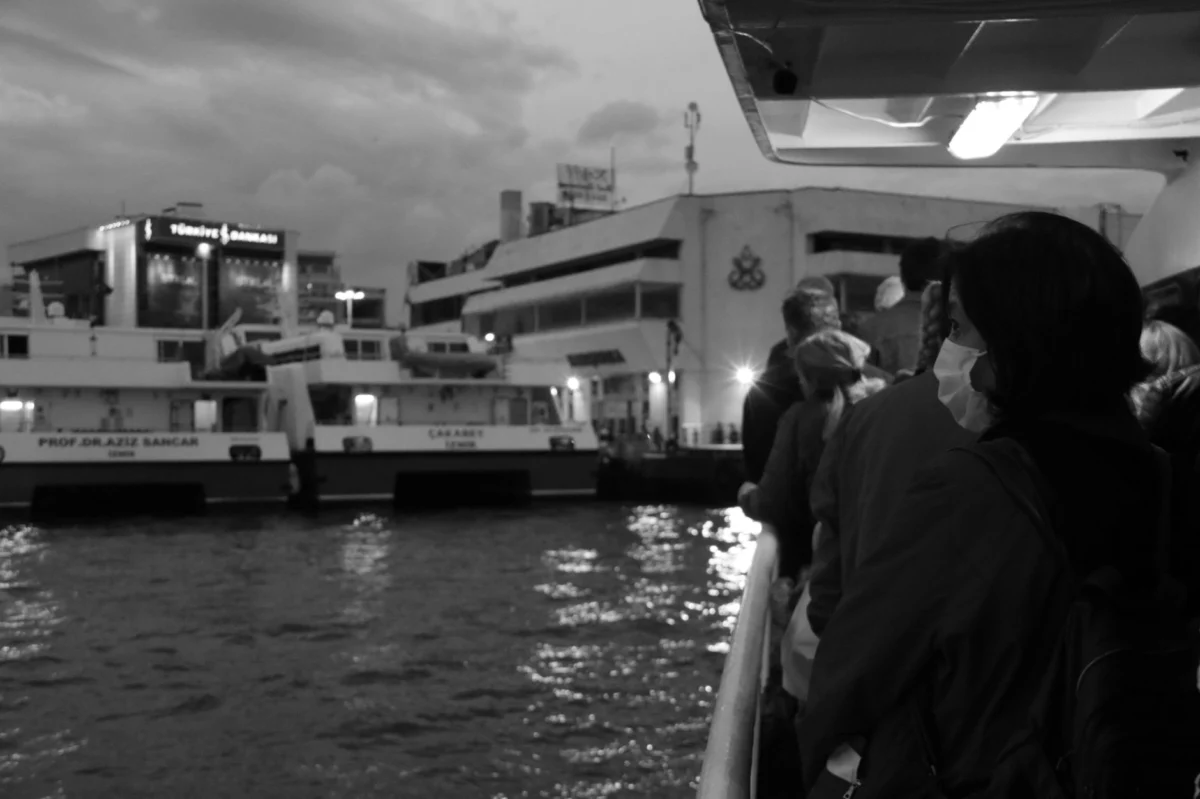
In this article, you’ll learn what unfolded during the latest UK anti-migrant protests at a busy passenger ferry port, why the actions were widely condemned as intimidating, and how U.K. public-order law helps define the line between political protest and unlawful disruption. You’ll also get practical ways to assess claims you see online—so you can understand the human stakes for newly arrived migrants and the communities caught in the middle.
Key Takeaways
- Masked protesters reportedly tried to block buses carrying newly arrived migrants, snarling traffic at a ferry port.
- Condemnation came from across the public and political spectrum due to the intimidation and disruption described.
- U.K. protest activity is constrained by public-order and obstruction rules that police assess on the ground.
- For responsible understanding, prioritize primary sources, verified location/time details, and clear distinctions between protest and intimidation.
What happened at the U.K. ferry port during the anti-migrant protests?
According to reports, masked British protesters gathered at a busy passenger ferry port and confronted buses transporting newly arrived migrants. The scenes were described as confrontational enough to slow or halt movement in an area where passengers, workers, and transport operators rely on predictable routes.
Witness accounts characterized the behavior as aggressive—protesters
Frequently Asked Questions
What does the article mean by protesters being “intimidating,” and how is that different from a lawful demonstration?
The article refers to intimidation when protest activity is described as aggressive or aimed at frightening people rather than peacefully expressing a viewpoint. Lawful demonstrations focus on expressing views without preventing others from using transport or moving safely. When actions block buses, disrupt routes, or create fear for newly arrived migrants and workers, authorities and commentators often frame it as unlawful obstruction or intimidation.
Why were buses carrying newly arrived migrants specifically targeted, and how does that amplify harm?
Targeting buses at a transport hub can quickly convert a political message into direct interference with people’s access to basic services and safety. Newly arrived migrants may be especially vulnerable to delays, uncertainty, and heightened stress. Even if protesters claim they are raising awareness, blocking movement at a ferry port can harm passengers, workers, and operators who rely on predictable routes.
How do U.K. public-order and obstruction rules shape what police can allow or stop?
In the U.K., police apply public-order and obstruction laws based on what’s happening on the ground: the behavior of individuals, whether routes are blocked, and the likelihood of disorder or intimidation. The article suggests there is a practical “line” between protest and unlawful disruption, even when claims are presented as political protest. Officers typically weigh safety, intent, and impact on others.
What should readers check online to avoid repeating misleading claims about the protests?
The article advises prioritizing primary sources and verifying location and time details. Readers should look for clear evidence (original footage, named outlets with reporting standards, or official statements) rather than reposted captions or cropped videos. Cross-checking multiple credible sources helps determine whether described actions—like blocking buses—are accurately portrayed and not exaggerated or out of context.
Could masked participation change how authorities and the public interpret the event?
Masking can influence both perception and policing decisions because it may signal an intention to conceal identity amid confrontational behavior. The article notes protesters reportedly were masked, and that the described actions drew condemnation for intimidation and disruption. While the legal assessment depends on conduct, visible anonymity can raise concerns about accountability and escalate public fear or tensions.
If someone wants to protest against migration policies, what does the “responsible understanding” guidance imply they should do instead?
Based on the article’s focus on distinguishing protest from intimidation, responsible activism should avoid interfering with transport or creating fear for specific groups. The guidance implies keeping protests within lawful boundaries, maintaining peaceful conduct, and not obstructing access to ferry terminals or buses. The goal is to express political views without crossing into disruption that endangers safety or prevents others from moving.