
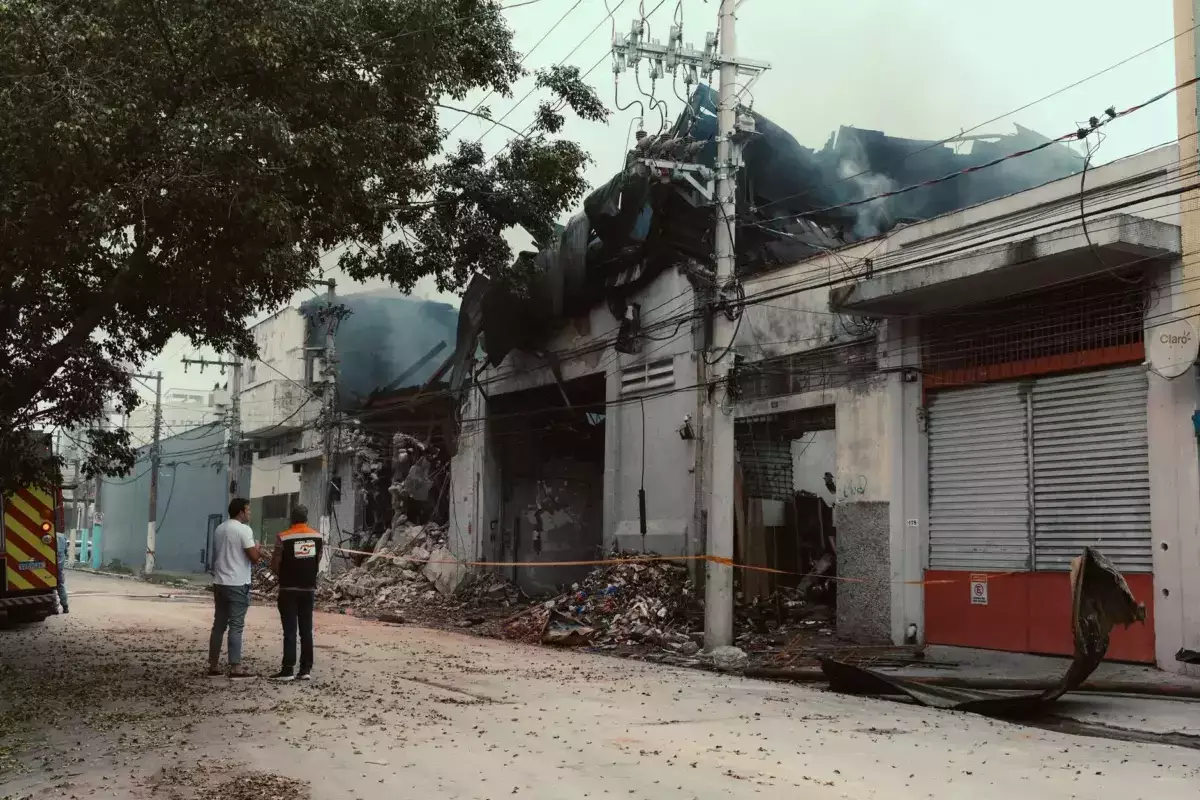
The UN has raised a serious alarm: ongoing rubble removal in Gaza may threaten evidence that could be vital for war-crimes accountability. At the heart of the dispute sits an ICJ order to preserve evidence in Gaza, issued by the International Court of Justice (ICJ) in 2024—an instruction designed to keep key materials intact while legal review continues.
Why does this matter so much? Because in modern war-crimes investigations,
Frequently Asked Questions
What exactly does the ICJ order to preserve evidence in Gaza require authorities to do?
In practical terms, the order aims to prevent the destruction, alteration, or removal of materials that may later be used in legal reviews. That can include rubble, debris, and other physical traces tied to potential violations. The goal is to keep evidence sufficiently intact so investigators and courts can examine it, rather than relying on incomplete reconstructions.
Why is rubble removal a potential problem for war-crimes investigations?
Rubble can contain physical details—structural damage patterns, traces of munitions, locations of impacts, and other contextual information. If debris is cleared or processed without safeguards, investigators may lose the ability to verify what happened. Even partial destruction can weaken a case, forcing investigators to depend on less reliable secondary sources.
How does preserving evidence help accountability if legal proceedings take a long time?
War-crimes accountability often depends on evidence that can endure multiple stages: fact-finding, forensic analysis, and eventual judicial review. The ICJ order is meant to ensure that, even months or years later, key materials remain available for examination. Without preservation, the legal process may stall or outcomes may be less certain due to missing or degraded proof.
Who is responsible for complying with the ICJ evidence-preservation instruction?
While the ICJ issues the order, compliance typically rests with those conducting or directing activities on the ground, including any authorities overseeing demolition, clearance, construction, or waste handling. The UN’s warning reflects concern that operational decisions—like accelerating rubble removal—may conflict with obligations to safeguard evidence for later legal scrutiny.
Does the UN warning mean war-crimes investigations are already underway, or that a case is guaranteed?
The UN warning does not automatically mean a specific case has been filed or that an outcome is predetermined. Instead, it signals a risk to future investigations and accountability efforts. Evidence preservation is a prerequisite for credible inquiry, and the concern is that clearing debris could undermine the evidentiary foundation needed for any later legal determination.
What safeguards could allow rubble removal without destroying evidence?
Safeguards may include mapping and documenting sites before clearance, retaining specific categories of debris for forensic review, and controlling how materials are moved, sorted, or processed. Coordinated procedures can reduce the evidentiary gap while still enabling necessary humanitarian works. The central requirement is that removal does not erase traceable information critical to legal assessment.