
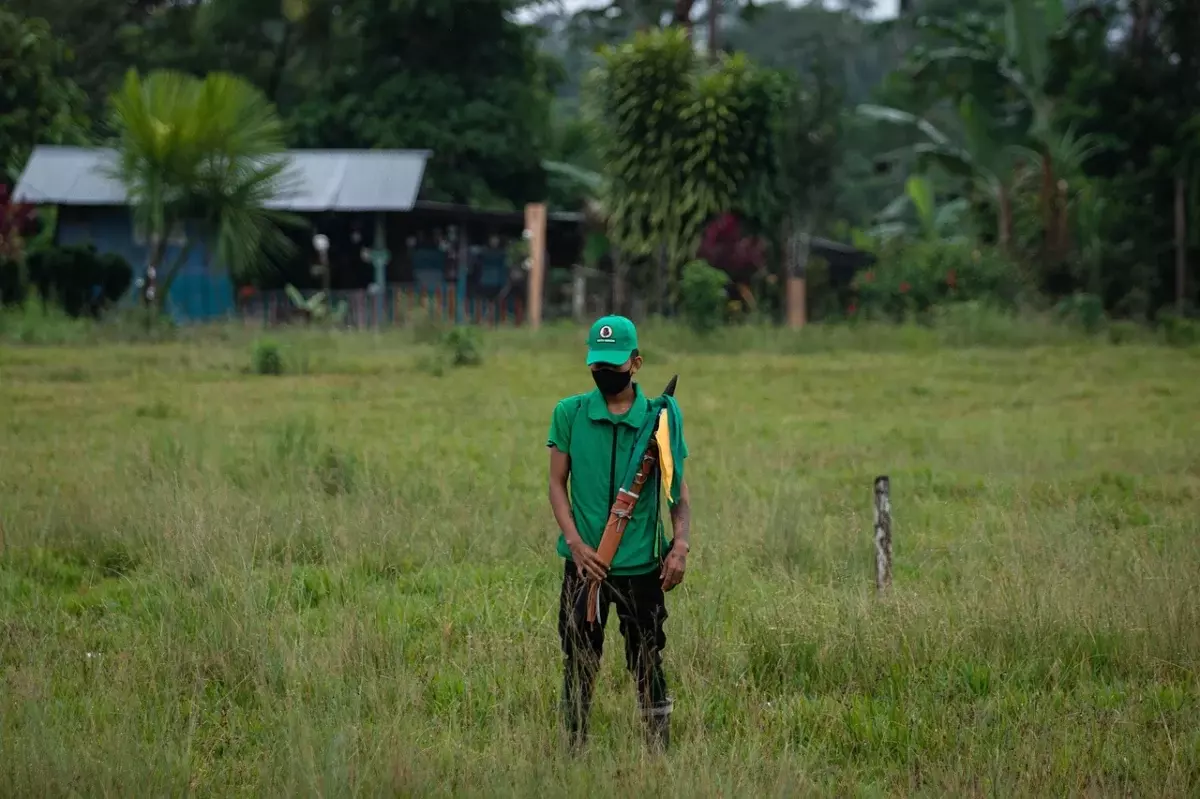
Juma Xipaia rainforest protests did more than attract attention—they exposed a brutal contradiction: the Amazon can be treated as
Frequently Asked Questions
What was the core issue behind the Juma Xipaia rainforest protests?
The protests centered on Indigenous land defense in the Amazon—specifically, how threats like illegal extraction, encroachment, and state failure to protect territories directly undermine community survival. The demonstrations made visible the gap between official promises of environmental protection and the everyday realities faced by Indigenous peoples on their own lands.
How does the Yanuni story connect to the broader struggle for Indigenous land rights?
The Yanuni story matters because it shows how individual experiences reflect systemic patterns: rights are recognized in principle but ignored in practice. By highlighting what happened to Yanuni and surrounding community members, the article underscores that land defense is not abstract politics—it can involve direct harm, intimidation, and long-term displacement risks.
What is the “brutal contradiction” the protests exposed?
The contradiction is that the Amazon is often celebrated as a global environmental safeguard while Indigenous land defenders are treated as obstacles or threats. In practice, conservation rhetoric can coexist with violence, unlawful incursions, and weak enforcement of Indigenous protections—revealing that who controls the land determines whether protection is real.
Why are protests like these significant beyond the local region?
They serve as evidence that Indigenous land defense is fundamental to both human rights and ecological stability. When protests document abuses and demand accountability, they can influence media coverage, legal pressure, and international awareness. This helps transform isolated conflicts into broader calls for policy change and stronger enforcement of territorial rights.
What can readers do to support Indigenous land defense after learning about the Yanuni and Juma Xipaia cases?
Readers can amplify accurate reporting, support organizations working on Indigenous rights and forest protection, and advocate for stronger enforcement of land rights and environmental regulations. Sharing verified information helps prevent misinformation that often justifies repression. Contacting representatives and encouraging corporate supply-chain transparency can also reduce incentives for illegal extraction.