
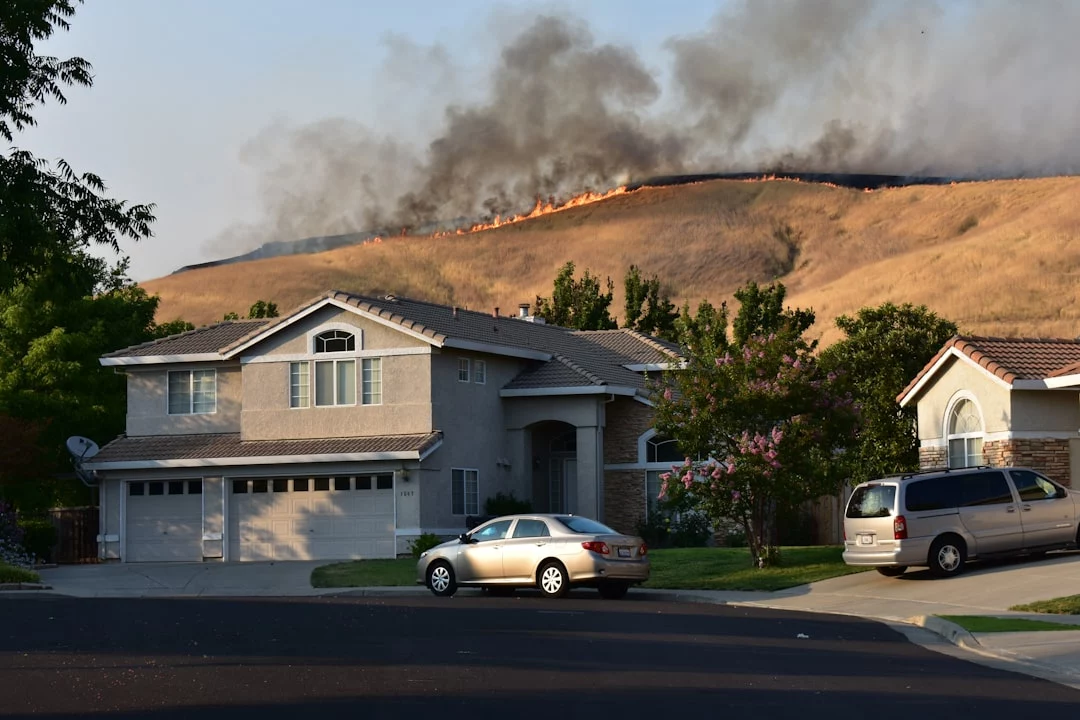
Why wildfire deaths stay low when wildfire risk is rising is not a mystery of
Frequently Asked Questions
If wildfire risk is rising, why do deaths sometimes stay low?
Lower deaths are often driven by faster detection and earlier warnings, plus more effective evacuation planning and execution. Even as fire weather becomes more severe, communities may have improved defensible space, updated building standards, and better coordination between agencies. These adaptations reduce the chance that fires reach homes and that people are caught on the wrong side of an evacuation window.
Is the drop in wildfire deaths mainly because fires are less frequent, or because people are better protected?
Both factors can matter, but adaptation can strongly influence the death rate even when fires are more common. Improvements like targeted pre-positioning of resources, more realistic evacuation routes, and wildfire-ready infrastructure can keep fatalities low by lowering exposure time. Meanwhile, mitigation efforts such as thinning vegetation and hardening structures reduce ignition risk and survival risk during extreme conditions.
How do fire weather conditions affect human safety, and what changes under adaptation?
Fire weather—hotter temperatures, drier fuels, and strong winds—can rapidly increase fire spread and ember production. Adaptation addresses these mechanisms by planning for fast transitions: quicker alerts, expanded trigger criteria for evacuation, and pre-staged staffing and equipment. Building and landscaping choices also influence survivability when winds push flames and embers toward homes.
Does having a good evacuation system always prevent deaths during major wildfire events?
It reduces risk significantly, but it isn’t foolproof. People may delay decisions, underestimate spread speed, or have limited mobility and transportation options. Adaptation includes redundancy—multiple alert channels, clear “leave early” messaging, and support for vulnerable residents. When evacuation timing is improved and routes are prepared in advance, outcomes improve even under fast-changing weather.
What does “wildfire adaptation” look like at the neighborhood or household level?
At the household level, it often means maintaining defensible space, reducing flammable vegetation near structures, and using ignition-resistant materials like ember-resistant vents and noncombustible roofing. At the community level, it includes better signage, emergency access roads, evacuation gathering and tracking, and coordinated land management. Together, these measures help people endure the most dangerous phase of a fire.