
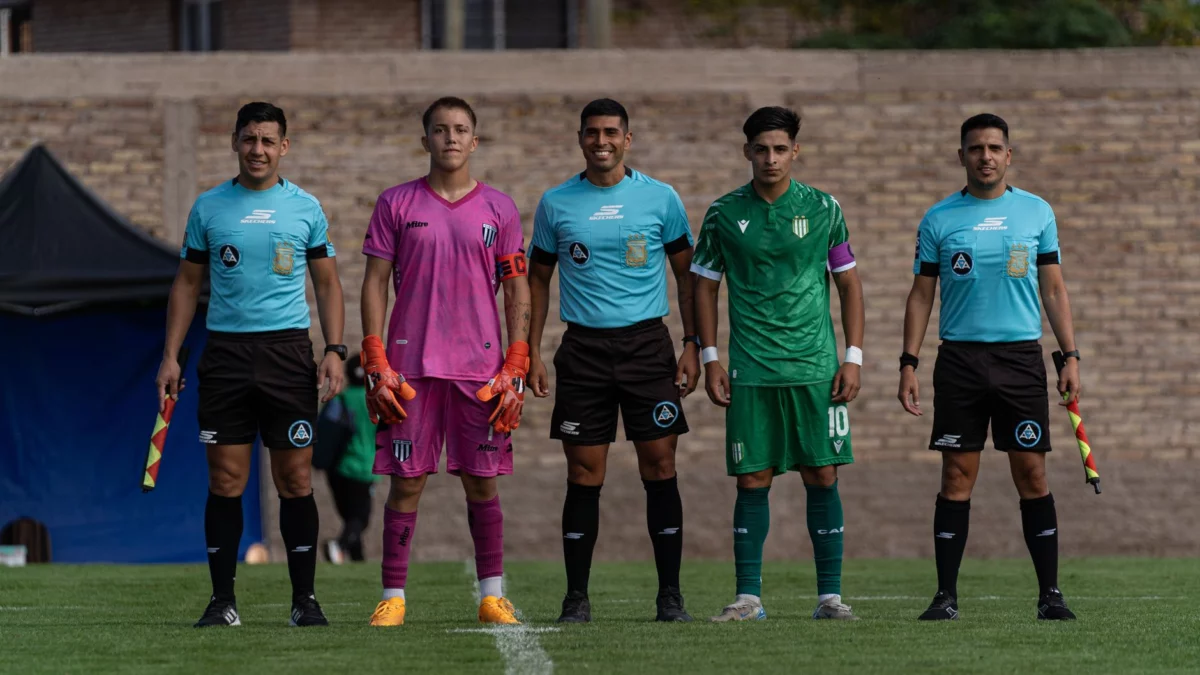
After Brentford overcame Reading to reach the Carabao Cup fourth round, Keith Andrews’ criticism of VAR was not just a reaction to one match. It was a direct challenge to VAR in football refereeing, the wider way technology has changed judgment in association football, and the growing sense that officials are now being asked to share their authority with a screen.
VAR in Football Refereeing: Why Keith Andrews Wants Officials to Be Human
Andrews, the Brentford head coach and former midfielder Keith Andrews, framed the issue in human terms: let referees referee. That argument resonates because the modern video assistant referee system has done more than add technology to the game. It has changed the psychology of decision-making, the tempo of matches, and the relationship between supporters, coaches, and match officials. The cup tie against Reading F.C. was simply the latest stage on which a debate that also shapes the Premier League and the English Football League played out.
Why Andrews’ complaint matters beyond one cup tie
The immediate issue is not whether VAR can occasionally correct an error. It can. The deeper question is whether the system encourages referees to become cautious, even when the best call is the one made in real time. In the Laws of the Game, the referee remains the central authority on the pitch. But in practice, the modern elite match is governed by a shared process involving the on-field referee, the video team, and the protocols set by the International Football Association Board.
That tension explains why Andrews’ point has found an audience. Coaches and players often accept that technology can help with factual errors. What they object to is the feeling that the flow of the game is being managed by indecision. A referee who knows every major call may be reviewed may hesitate on a marginal penalty kick, a handball, a second yellow card, or a possible red card. The issue is not only whether the final outcome is correct; it is whether the official looks and behaves like the authority figure the sport still expects.
The core complaint is not that referees should ignore technology. It is that technology should not remove the instinct, confidence, and accountability that make referees credible in the first place.
What VAR was designed to solve
The case for VAR is straightforward. Elite football has too many consequences attached to obvious mistakes, and one major error can decide a season, a contract, or a manager’s job. The system was designed to correct the kind of incidents that are easiest to identify after the fact: goals, penalties, direct red cards, and mistaken identity. In theory, that makes the game fairer and more consistent. In practice, the value of VAR depends on how narrowly and how confidently it is used.
Officially, the framework is set by the Professional Game Match Officials Limited in England and by global bodies such as FIFA, but the conceptual rule is the same: intervene only when the mistake is clear and obvious. That phrase sounds precise, yet it leaves room for interpretation. A handball that looks evident to one official may look accidental to another. A challenge that seems reckless to a manager may appear routine from the referee’s angle. The technology has not eliminated judgment; it has moved judgment to a second layer.
The four broad review areas
- Goals and the attacking phase before them
- Penalty incidents
- Direct red card decisions
- Mistaken identity in disciplinary situations
Why referees can look less decisive with VAR
This is where Andrews’ comment becomes more than rhetoric. When officials know a decision can be checked frame by frame, the incentives change. A referee may be less willing to trust an instinctive read on a live challenge. An assistant referee may delay a flag on offside because the play might be checked anyway. The result can be a kind of procedural football in which referees wait for confirmation rather than asserting control.
Psychologically, that matters. Elite officials are trained to manage stress, absorb dissent, and decide in seconds. If every error becomes a video exercise, the job can become more about avoiding blame than about making the best immediate call. That is why some observers argue that VAR has changed the referee’s risk calculus. It reduces the cost of a mistake, but it can also raise the fear of being the person who makes one.
There is also a communication problem. Supporters can often accept a difficult decision if they understand why it was made. What they struggle with is silence, delay, or opaque language. A long review without a clear explanation feels less like accuracy and more like uncertainty. The technology is visible, but the reasoning is not always audible. That gap is one reason why the debate around VAR in football refereeing has become so emotionally charged.
Where VAR helps, and where it creates new problems
It helps to compare VAR with earlier forms of officiating technology. Goal-line technology is almost binary: did the ball cross the line or not? VAR is different because it often deals with interpretation. A frame can show contact, but it cannot fully capture force, intent, or the momentum of a tackle. That means the system is strongest when it is used for factual correction and weakest when it drifts into re-refereeing a subjective moment.
| VAR strength | Common criticism | Practical effect |
|---|---|---|
| Corrects clear factual mistakes | Can interrupt the rhythm of the match | Players and fans lose emotional flow |
| Improves consistency on major incidents | Still depends on interpretation | Two similar incidents can end differently |
| Reduces the impact of obvious human error | Can make referees over-cautious | Officials may hesitate instead of deciding |
The best example of that tension is semi-automated offside technology, which helps reduce the delay around marginal offside calls, but still relies on a framework built by humans. The same goes for disciplinary decisions: a screen can show the incident, yet the threshold for a yellow card or a red card remains a football judgment, not a mathematical one. That is why the most difficult VAR debates are rarely about what the camera saw. They are about what the game should reward or punish.
The real issue is authority, not just accuracy
There is a reason many experienced referees defend the principle of the on-field official. A game needs a final decision-maker, not just a technical reviewer. The referee and the assistant referee are not decorative figures; they are the people who give the match structure and momentum. When the system asks them to wait for a video check too often, it risks making them look secondary to their own job.
That concern is especially acute in fast, high-pressure leagues where every touch is contested and every set piece becomes a flashpoint. In those environments, referees already manage line-ball decisions, tactical fouls, time-wasting, and dissent all at once. VAR should relieve pressure only where it genuinely improves outcomes. If it becomes a blanket safety net, it may erode the boldness that good officiating requires.
To be fair, there is another side to the argument. Before VAR, a wrong call could define a match with no remedy. Coaches who now complain about delays once complained about injustice. So the choice is not between perfection and chaos. It is between different kinds of imperfection. The challenge for the sport is to keep the corrective value of video while preserving the spontaneity and responsibility that make the referee’s role meaningful.
What clubs and coaches should learn from this debate
For managers, analysts, and sporting directors, Andrews’ point offers a useful lesson. The best teams do not only plan for tactics; they also plan for officiating conditions. That means understanding how a referee crew tends to manage advantage, contact, and game control. It means educating players not to rely on VAR as a rescue mechanism. And it means building emotional discipline so the team can recover from a review it cannot change.
Clubs that treat VAR as a pure controversy generator often miss the practical reality: the system is now part of the competitive environment. Coaches should use match clips to show players where contact is risky, where offside lines are likely to be checked, and how discipline around late challenges affects the chance of a video intervention. In other words, the smartest response is not just complaint. It is preparation.
Best-practice approach for teams
- Train players to play through uncertainty instead of appealing for every marginal call
- Review set-piece and defensive timing with VAR awareness in mind
- Build discipline around tackles that could trigger a video review
- Accept that a review can go against you and refocus immediately
Frequently asked questions about VAR and referees
What is VAR supposed to review?
At elite level, VAR is meant to review goals, penalty incidents, direct red cards, and mistaken identity. It is not supposed to re-referee every foul or every throw-in. The principle is to correct major errors, not to restart the match from scratch.
Why do referees sometimes seem less confident with VAR?
Because the possibility of review changes behaviour. Officials may become more cautious when they know an incident can be checked in slow motion. That can protect against obvious mistakes, but it can also reduce the authority and flow that live refereeing needs.
Can football reduce VAR controversy without removing it?
Yes. The most realistic fixes are narrower intervention thresholds, faster communication, better transparency, and stricter use of the protocol. The aim should be to preserve the referee’s authority while limiting only the clear and obvious errors that video can genuinely settle.
The next question football has to answer
The real insight behind Andrews’ complaint is that football may have overestimated how much technology can solve and underestimated how much trust officiating depends on. A system can be accurate and still feel wrong if it makes the people on the pitch look passive. That is why the next phase of reform will probably focus less on adding more cameras and more on clarifying when those cameras are allowed to matter.
What should readers watch next? Three things. First, whether the sport makes VAR quicker and more transparent. Second, whether the next generation of tools, including further use of semi-automated offside technology, removes enough delay to restore trust. Third, whether referees are given a clearer mandate to make bold live decisions instead of anticipating review. If that does not happen, the game could end up with better video but weaker officials.
The unanswered question is the one Andrews’ comments quietly expose: does football want referees who are merely correct after a replay, or referees who are trusted to be human in the moment? The answer will shape not just the future of VAR, but the future character of the sport itself.
The International Football Association Board and the game’s lawmakers may eventually refine the protocol again, but the broader debate will remain. Football can live with imperfect judgment. What it struggles to live with is judgment that no longer feels like judgment at all.
Frequently Asked Questions
Why is Keith Andrews arguing that referees should be left to “be human” if VAR can correct mistakes?
Andrews is not denying that VAR can fix clear errors. His point is that referees still need to make fast, confident decisions in real time. If officials expect every key call to be reviewed, they may become hesitant and overly procedural. He believes the authority and instinct of the referee are part of what makes football work.
Does VAR actually make football fairer, or does it just replace one kind of mistake with another?
VAR can make football fairer when it corrects obvious errors in goals, penalties, red cards, or mistaken identity. But it also introduces new problems, like delays, uncertainty, and inconsistent interpretation of incidents. So while it can reduce some mistakes, it does not remove judgment; it shifts it to another stage of the decision-making process.
If VAR is meant to correct clear errors, why do people still disagree so often about its decisions?
Because many incidents in football are not purely factual. A handball, foul, or red-card challenge often depends on context, angle, and interpretation. VAR may show the same incident more clearly, but it does not guarantee agreement. The system still relies on officials deciding what counts as “clear and obvious,” which is itself subjective.
Why do some referees seem less decisive when VAR is available?
When referees know a decision can be checked afterwards, they may hesitate to trust their first impression. That can lead to delayed flags, cautious foul calls, and a more stop-start feel. The article suggests this is a psychological effect of VAR: officials may feel less pressure to own the moment because they expect the video team to help.
What kinds of decisions are VAR actually supposed to review?
VAR is mainly designed for four categories: goals and the attacking phase leading to them, penalty incidents, direct red cards, and mistaken identity in disciplinary cases. It is not meant to review every close call. The idea is to intervene only when there is a major and clear error, not to re-referee the whole match.
Is Andrews criticizing technology itself, or the way it is used in modern football?
He is mainly criticizing how technology has changed the behavior of officials, not the existence of technology itself. His concern is that referees may become less authoritative and less instinctive because they are constantly aware of being reviewed. In his view, the problem is not the screen alone, but the culture of caution it can create.