
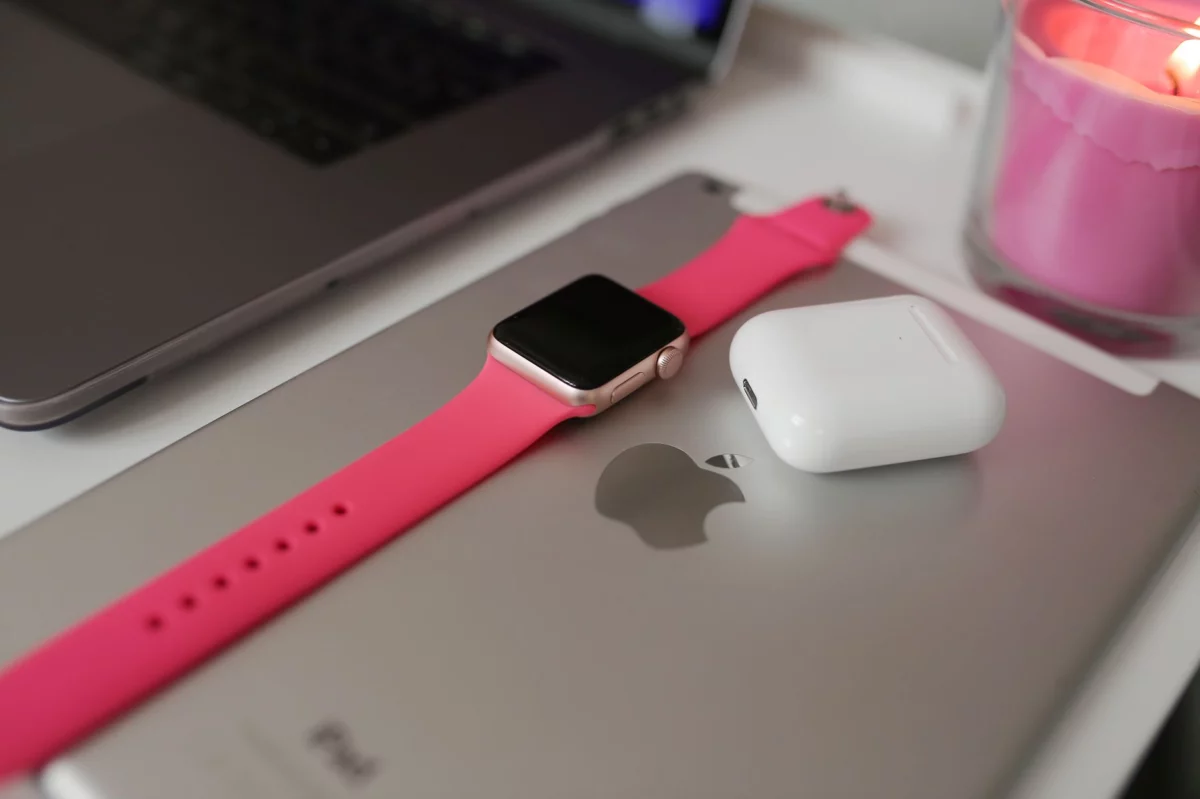
The best 3-in-1 Apple charging stations solve a problem that every Apple Inc. user eventually faces: too many devices, too little outlet space, and too much cable clutter. A good dock keeps an iPhone, Apple Watch, and AirPods case powered in one place, while a bad one slows charging, runs hot, or simply makes the nightstand harder to use. That difference matters more now that Apple’s ecosystem leans on MagSafe, magnetic alignment, and a mix of wired and wireless charging expectations.
In large roundups that test 30 or more models, the winners are rarely the flashiest products. They are the chargers that balance speed, thermal control, footprint, and compatibility. Think of them as a hybrid between a docking station and a compact battery charger; unlike a power bank, they are meant to stay on your desk and work every day without friction.
What makes the best 3-in-1 Apple charging stations different
The category looks simple, but the details are where good products separate themselves. A top-tier dock is not just three charging surfaces on one base. It is a carefully tuned system that must align an iPhone correctly, support the Apple Watch charging puck, and keep the AirPods case stable enough to make contact every time. It also needs a practical power input, usually USB-C, because the dock itself cannot perform well if the wall adapter is underpowered or inconsistent.
Alignment matters more than raw wattage
Wireless accessories often advertise big numbers, but alignment is what users feel. A charging surface can be technically capable and still perform poorly if the phone sits even slightly off-center. That is why magnetic docks built around MagSafe-style positioning often feel better than generic pads. The magnet helps keep the handset in the charging sweet spot, which reduces misfires and makes the experience closer to snapping a device into a proper magnetic connector than dropping it onto a pad.
This is also why a 3-in-1 dock should be judged as an experience, not just a specification sheet. If the phone wakes in the right orientation, the watch settles instantly, and the earbuds case lands cleanly every time, the dock disappears into the routine. That is the goal.
Certification and ecosystem fit
Apple users should care about the certification path as much as the design. Apple’s support documentation on charging and the standards work of the Wireless Power Consortium both matter because accessories built around Qi and newer magnetic variants can behave very differently depending on the device and the case. The category is especially sensitive to the version of the iPhone being charged, the thickness of the case, and whether the dock is designed for plain inductive charging or for a magnetic alignment system.
A dock that looks premium but runs hot, misaligns the phone, or omits the right adapter is not a premium dock. It is a cable reducer with marketing.
How to evaluate a 3-in-1 Apple charging station
When reviewers test dozens of models, they are usually looking for the same core qualities. The table below translates those checks into practical buying criteria.
| Criterion | Why it matters | What to look for |
|---|---|---|
| Phone alignment | Determines whether the iPhone charges reliably and stays visible | Magnetic positioning, stable stand angle, easy one-handed placement |
| Watch support | Apple Watch charging is not generic wireless charging | Dedicated watch puck, clear compatibility with your watch generation |
| AirPods bay | Small cases can be awkward on low-quality pads | Flat, centered cradle or a non-slip recess that prevents drifting |
| Power input | Undersized adapters cause throttling and instability | Included USB Power Delivery adapter or a clear wattage requirement |
| Heat management | Heat affects comfort and can influence long-term battery behavior | Ventilation, quality materials, no excessive warm spots |
| Footprint | Nightstands and desks have finite space | Compact base, clean cable routing, no wasted vertical bulk |
There is one more practical dimension: how the dock behaves when your room is dark and half-awake. On a nightstand, the best 3-in-1 Apple charging station for nightstand use is the one you can operate without looking. It should be easy to drop the phone onto the stand, easy to remove it with one hand, and easy to tell whether each device is actually charging.
The technology stack behind the category
Qi, MagSafe, and inductive charging are related but not identical
Many shoppers use the terms interchangeably, but they are not the same thing. Qi is the broad wireless charging standard used across many accessory categories. Inductive charging describes the physical process that transfers energy across a gap. MagSafe adds magnetic alignment to the experience so the phone lands in the right place more consistently. A well-designed dock often combines these ideas, which is why it feels smoother than a generic pad.
For buyers, the key point is simple: magnetic alignment is usually worth paying for if you want less friction and better usability. It does not magically solve every problem, but it reduces one of the most common ones: placing the phone slightly off target and waking up to a device that charged slowly or not at all.
Why USB-C power input is now the default choice
Accessory makers have largely moved toward USB-C because it is easier to power modern electronics from a shared wall adapter. In practice, that means the dock is only as good as the brick feeding it. A charger with a premium finish but a weak adapter can underperform a cheaper-looking unit that uses a better power profile. This is one reason many professional reviewers pay close attention to the included wall plug or explicitly call out the need for a separate adapter.
The same logic applies to older connector ecosystems. The Lightning connector shaped years of Apple accessory design, but the shift toward USB-C has changed what users should expect from a charging station. If the dock is meant to live on a desk or nightstand for years, the power path should feel future-proof rather than transitional.
Battery health and heat are the quiet variables
Wireless charging is convenient, but convenience comes with engineering trade-offs. A lithium-ion battery does not like unnecessary heat, and the best accessory makers try to reduce it through firmware, coil layout, and materials choice. That is why some docks feel pleasantly cool while others become noticeably warm after a full evening on the nightstand. The latter is not automatically unsafe, but it is a sign that efficiency is not as good as it could be.
For devices like a smartphone that spends hours attached to the charger, small thermal differences add up in daily use. This is especially relevant if you charge overnight and want the most stable, least fussy setup possible.
Which design fits your space and routine
Nightstand docks
Nightstand-focused models prioritize simplicity, low visual clutter, and a stable phone angle. They are often the best choice for people who want a bedside alarm display, a watch charger within reach, and a neat way to dock earbuds before sleep. If you rely on your phone as an alarm and want the screen visible, choose a stand that keeps the display readable without forcing you to lift the device.
Desk and home office models
Desk-friendly stations often lean heavier and more vertical. That is not just a design preference; a taller, more anchored base can make one-handed phone removal easier and preserve desk space for a laptop, keyboard, or notes. If your working setup already includes a lot of devices, a tidy 3-in-1 charger can reduce daily friction the same way a good USB Power Delivery hub reduces clutter around a laptop.
Travelable models
Travel-oriented chargers trade luxury touches for foldability and lower mass. The challenge is that compact models often ask for compromises: lighter construction, smaller magnetic surfaces, or a separate cable that is easy to forget. If you travel frequently, favor reliability and packing efficiency over a slightly sleeker finish. A charger that fits in a pouch but fails to align the phone is not a real upgrade.
Common mistakes buyers make
- Buying by wattage alone: A high number on the box does not guarantee better real-world charging.
- Ignoring watch compatibility: The Apple Watch charger is not a generic puck and may not support every setup equally well.
- Forgetting the power brick: Some docks require a stronger wall adapter to perform as advertised.
- Using thick or uneven cases: Case design can break magnetic alignment or reduce contact quality.
- Assuming all AirPods cases sit the same way: Small charging bays can be finicky if the cradle is shallow or slippery.
There is also a psychological trap: people often buy a charging station to feel more organized, then choose one that adds more visual complexity than the cable mess it was supposed to replace. A good dock should simplify the room, not become another object you need to manage.
How professionals think about the category
Reviewers and accessory editors usually separate aesthetic preference from functional quality. A dock can look expensive, but if it is awkward to use, the design has failed. That distinction matters because premium charging accessories are often marketed with lifestyle imagery instead of hard usability data. Professionals look past that. They ask whether the dock places the phone at the right angle, whether the watch charger is dependable, whether the unit remains stable with all three devices attached, and whether the package includes everything needed to run it properly.
It is also worth remembering that accessories age differently from phones. A handset may be replaced every few years, but a charging station often stays in the room much longer. That makes build quality, connector durability, and power flexibility more important than a one-season fashion trend.
Frequently asked questions about 3-in-1 Apple chargers
How do 3-in-1 Apple charging stations work?
They combine three charging zones into one powered base: a magnetic or wireless phone area, an Apple Watch charger, and a spot for AirPods or another accessory. The main advantage is convenience, not magic. The charger still depends on good alignment, a compatible wall adapter, and sensible thermal design.
Do you need MagSafe for an iPhone to charge well?
No, but it usually improves alignment and daily usability. Many phones can charge on Qi-based pads, yet magnetic positioning makes it easier to place the handset correctly, especially in the dark or when using the charger one-handed.
Are 3-in-1 stations safe to leave plugged in overnight?
Quality models are designed for overnight use, but safety and performance depend on the manufacturer, the included adapter, and airflow around the dock. If the charger gets unusually hot or behaves inconsistently, it is worth replacing rather than ignoring.
What should I look for in a nightstand dock?
Choose stable alignment, a readable phone angle, a watch charger that is easy to reach, and a base that does not slip when you remove the phone. Quiet usability matters more at bedside than almost anywhere else.
What will matter most in the next generation of charging docks
The next wave of Apple charging accessories will likely be judged less by flashy wattage claims and more by efficiency, interoperability, and physical ergonomics. As USB-C becomes the norm and wireless standards mature, the best products will be the ones that manage multiple devices without demanding attention. That means better thermal control, smarter power negotiation, stronger magnetic alignment, and more travel-friendly designs that do not sacrifice reliability for portability.
The unresolved question is not whether 3-in-1 chargers will remain popular. They will. The real question is which manufacturers will treat them as serious power systems rather than decorative stands. The brands that win will be the ones that make charging feel invisible: no guesswork, no heat anxiety, no misalignment, and no clutter. In a device ecosystem built around convenience, that is the kind of improvement users notice every single day.
Frequently Asked Questions
Do I really need a MagSafe-style dock, or is a regular 3-in-1 pad enough?
A regular pad can work, but MagSafe-style alignment usually feels more reliable for iPhone users. The magnet keeps the phone in the charging sweet spot, which reduces misalignment and accidental slow charging. If you want the easiest one-handed placement and fewer charging misses, a magnetic dock is usually the better long-term choice.
Will a 3-in-1 Apple charging station work with my case on?
Often yes, but case thickness matters a lot. Thin, MagSafe-compatible cases are usually fine, while thick or non-magnetic cases can weaken alignment and reduce charging reliability. If you use a rugged case, look for a dock with strong magnets and verify that your case does not interfere with the Apple Watch or AirPods spots.
Why does the power adapter matter if the dock itself looks premium?
Because the dock can only perform as well as the power it receives. An undersized or low-quality adapter can cause throttling, unstable charging, or excess heat. A good 3-in-1 station should either include a proper USB-C Power Delivery adapter or clearly state the wattage it needs for full performance.
Are all Apple Watch chargers inside 3-in-1 stations interchangeable?
No. Apple Watch charging is not the same as generic wireless charging, and compatibility can vary by watch generation and the dock’s built-in puck design. A good station should explicitly state which watch models it supports. If that information is vague, it is a warning sign that the watch side may be the weakest part.
Should I worry about heat when using a wireless charging dock every night?
Yes, because heat is one of the clearest signs of poor design. A dock that runs hot can be uncomfortable to use and may indicate inefficient charging or bad alignment. Look for models with ventilation, solid materials, and consistent charging behavior. Cooler operation is usually a sign of better engineering overall.