
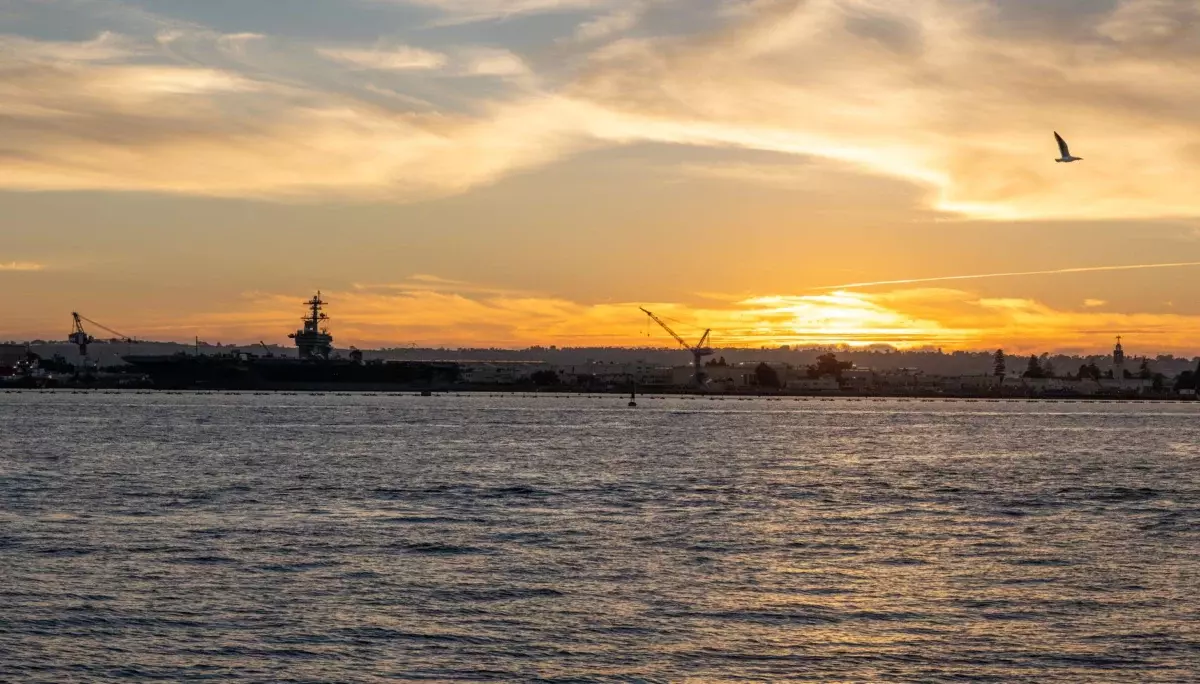
The USS Abraham Lincoln returning home marks a rare moment of pause in a high-tempo escalation story—one that will matter to anyone tracking U.S. military posture in the Gulf. In this article, you’ll learn what the carrier’s near-300-day deployment and the nearly 5,000 troops aboard suggest about operational tempo, how carrier deployments adapt when U.S.-Iran tensions intensify, and what credible signals to watch next as fighting amplifies across the region. You’ll also get an evidence-backed look at why aircraft carriers remain central to deterrence and airpower projection when missile and maritime risks rise.
Key Takeaways
- Homecoming timing after ~300 days can reflect mission completion, rotation schedules, and shifting operational requirements.
- Carrier presence in escalation periods supports layered defense and sustained air operations—rather than a single
Frequently Asked Questions
Why is the USS Abraham Lincoln’s homecoming after nearly 300 days considered a meaningful pause, rather than just routine rotation?
A ~300-day return can signal more than schedule housekeeping. Carrier departures and recoveries often align with mission sets, maintenance cycles, and rotation needs for pilots and sailors. When U.S.-Iran tensions were rising, the carrier likely remained tasked to sustain air operations and layered deterrence, so the timing suggests shifting operational requirements, not just a calendar-based replacement.
What does having nearly 5,000 troops aboard indicate about the carrier’s role during an escalation?
A near-5,000-person crew reflects the carrier’s capacity to run sustained flight operations while maintaining shipboard defenses, command, and logistics. During heightened missile or maritime risks, that personnel depth supports longer readiness cycles, faster damage-control response, and continuous coordination—key for maintaining airpower projection rather than conducting only short, limited sorties.
How do carrier deployments typically adapt when U.S.-Iran tensions intensify in the Gulf?
In escalation periods, carrier operations tend to become more defensive and sustained: aircraft schedules may shift toward readiness and screening roles, and escorts or maritime patrol assets may be adjusted to improve coverage. The goal is to preserve continuous airpower availability while reducing vulnerability to missile and maritime threats—so the carrier functions as a mobile base for both deterrence and ongoing operations.
What “credible signals” should observers watch next as fighting amplifies across the region?
Look for follow-on carrier tasking patterns (whether additional airframes or ships rotate in), changes in air wing sortie tempo, and any increase in layered defenses around carrier strike groups. Also watch for indicators like expanded maritime patrols and changes to geographic coverage—these are often more informative than headlines because they reveal sustained posture, not just momentary events.
Why do aircraft carriers remain central to deterrence when missile and maritime risks rise, instead of being replaced by other platforms?
Carriers combine survivable mobility with immediate airpower reach. When missile threats and sea-denial risks increase, the carrier’s ability to reposition and support continuous operations helps maintain pressure and reassurance. Even though the environment is dangerous, the carrier enables persistent presence, rapid sortie generation, and flexible mission selection—making it a key tool for deterrence and airpower projection.